

Most American paint operations using dust prevention technology report up to 25 percent fewer coating defects compared to traditional systems. For European facility managers striving for flawless automotive finishes, dust control is not just a quality concern but a direct factor in operational costs and process efficiency. Understanding how electrostatic protective films outperform conventional solutions gives you the practical insight needed to maintain a dust-free spray booth and elevate your standards above industry averages.
Table of Contents
- Electrostatic Protective Film Defined And Explained
- Types Of Electrostatic Protective Films For Spray Booths
- How Electrostatic Films Work In Dust Control
- Key Features And Benefits For Paint Operations
- Installation, Maintenance, And Common Mistakes
- Comparisons With Alternatives And Cost Factors
Key Takeaways
| Point | Details |
|---|---|
| Types of Films | Electrostatic protective films are classified into conductive, dissipative, and anti-static categories, each serving distinct industrial needs. |
| Installation and Maintenance | Proper installation and regular maintenance are crucial to maximize performance and prevent contamination in industrial settings. |
| Economic Advantages | Despite higher initial costs, electrostatic films lead to significant long-term savings through reduced material waste and enhanced operational efficiency. |
| Dust Control | These films effectively manage dust contamination, crucial for ensuring high-quality finishes in spray booth applications. |
Electrostatic protective film defined and explained
Electrostatic protective film represents a specialized solution designed to manage and control static electricity in sensitive industrial environments. These advanced films provide critical protection against electrostatic discharge (ESD), which can potentially damage delicate electronic components and compromise manufacturing processes. Electrostatic discharge protection films operate by strategically limiting electrical charge accumulation across various surfaces.
These protective films are categorized into three primary types: conductive, dissipative, and anti-static. Each category offers unique characteristics tailored to specific industrial requirements. Conductive films provide the most direct electrical path for static charges, enabling immediate grounding and rapid discharge. Dissipative films offer more controlled charge transfer, gradually reducing electrical potential with moderate resistance. Anti-static films prevent static buildup by maintaining a balanced electrical environment, making them ideal for sensitive manufacturing settings like semiconductor production, medical device fabrication, and precision electronics assembly.
The fundamental mechanism of electrostatic protective films involves creating a controlled electrical environment that prevents sudden or unexpected charge transfers. By implementing these specialized films, manufacturers can protect sensitive equipment from potential damage caused by electrostatic discharge events. The films work by distributing electrical charges uniformly across their surface, effectively neutralizing potential static electricity risks before they can cause harm to critical components or disrupt production processes.
Pro Tip: When selecting an electrostatic protective film, always verify its specific resistance rating and compatibility with your particular industrial application to ensure maximum protection and performance.
Types of electrostatic protective films for spray booths
Spray booth environments require specialized electrostatic protective films that can effectively manage static electricity and prevent potential contamination risks. Electrostatic discharge films are strategically designed to address unique challenges in industrial painting and coating applications, with three primary film classifications tailored to specific performance needs.
The first category, Conductive Films, provides immediate electrical grounding capabilities, allowing rapid static charge dissipation. These films feature extremely low electrical resistance, enabling instant charge transfer and preventing potential static buildup. Typically used in high-precision manufacturing environments, conductive films are ideal for settings requiring immediate static neutralization. The second category, Dissipative Films, offers a more controlled approach to static management. These films gradually reduce electrical potential through moderate resistance, creating a balanced transition between charge accumulation and discharge. They are particularly useful in spray booth settings where gradual, predictable static reduction is preferred.
Anti-Static Films represent the third critical category of electrostatic protective films. These specialized films prevent static charge generation by maintaining a consistent electrical environment across surfaces. In spray booth applications, anti-static films are crucial for minimizing dust attraction, ensuring cleaner painting surfaces, and reducing the risk of contamination during coating processes. Their unique surface treatments help neutralize potential static electricity sources, creating a more stable and controlled environment for precise industrial painting techniques.
Here is a quick comparison of the three main types of electrostatic protective films and their typical applications:
| Film Type | Static Control Method | Ideal Industrial Use |
|---|---|---|
| Conductive | Immediate grounding | Semiconductor manufacturing |
| Dissipative | Gradual discharge | Spray booths, paint shops |
| Anti-static | Prevents charge buildup | Precision electronics labs |
Pro Tip: Conduct periodic electrical resistance testing on your electrostatic protective films to ensure optimal performance and maintain consistent static control in your spray booth environment.
How electrostatic films work in dust control
Electrostatic protective films play a critical role in managing dust contamination within spray booth environments by leveraging sophisticated electrical principles. Static electricity management becomes a crucial factor in preventing potential painting defects and ensuring high-quality surface finishes. These specialized films create a controlled electrical environment that actively traps and neutralizes dust particles before they can compromise coating quality.
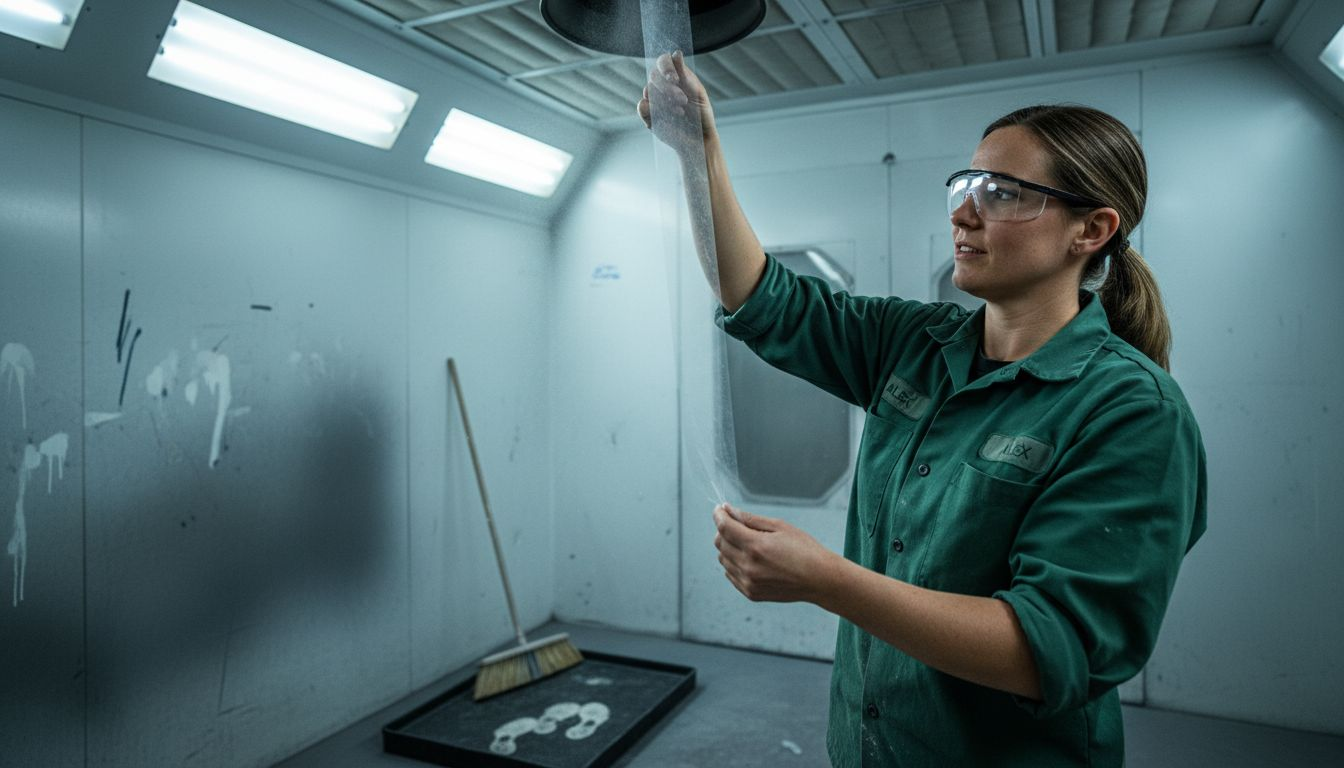
The fundamental mechanism of electrostatic dust control involves charge manipulation and particle attraction. When applied to spray booth surfaces, these films generate a controlled electrostatic field that attracts airborne dust particles, effectively preventing them from settling on painting surfaces. Conductive and dissipative film types work differently to achieve this goal. Conductive films provide immediate grounding, rapidly dispersing static charges, while dissipative films gradually reduce electrical potential, creating a more controlled dust suppression environment. This targeted approach ensures that dust particles are neutralized and captured before they can interfere with the painting process.
By strategically managing electrical charges, electrostatic protective films address multiple critical challenges in industrial painting environments. They not only prevent dust contamination but also mitigate significant safety risks. Static electricity buildup can potentially create spark hazards in spray booths, increasing the risk of fires or explosions. The films’ ability to dissipate and control electrical charges significantly reduces these safety concerns while simultaneously improving overall coating quality. Advanced surface treatments and unique electrical properties enable these films to create a stable, controlled environment that supports precise and defect-free painting techniques.
Pro Tip: Implement regular electrical resistance testing of your electrostatic protective films to maintain optimal dust control performance and ensure consistent spray booth safety standards.
Key features and benefits for paint operations
Electrostatic protective films represent a transformative technology for industrial paint operations, delivering comprehensive performance enhancements across multiple critical dimensions. Electrostatic coating technologies enable manufacturers to achieve superior finish quality with unprecedented precision and efficiency. These advanced films fundamentally revolutionize paint application processes by addressing traditional challenges related to coating uniformity, material waste, and operational consistency.
The key performance characteristics of electrostatic protective films include exceptional surface adhesion and remarkable durability. Surface Coverage becomes dramatically improved, with films enabling uniform paint distribution even across complex geometries and hard-to-reach areas. Manufacturers can expect significant reductions in material waste, typically achieving 15-25% lower paint consumption compared to traditional application methods. The films’ ability to minimize overspray translates directly into substantial cost savings and improved environmental performance by reducing volatile organic compound emissions.
Advanced electrostatic protective films offer remarkable technical capabilities that extend far beyond basic coating protection. Performance characteristics include extraordinary temperature and humidity resistance, maintaining structural integrity at temperatures up to 120 degrees Celsius and humidity levels reaching 95%. These films facilitate controlled solvent release, preventing potential re-reactions and ensuring consistently high-quality paint finishes. Their wear-resistant properties and easy peelability make them an essential tool for precision painting operations, enabling manufacturers to achieve professional-grade results with unprecedented reliability and repeatability.
Pro Tip: Conduct comprehensive performance testing of your electrostatic protective films across various environmental conditions to validate their specific compatibility with your unique paint operation requirements.
Installation, maintenance, and common mistakes
Spray booth electrostatic protective film installation requires meticulous preparation and precision to ensure optimal performance. Proper implementation begins with thorough surface preparation, which involves completely cleaning and degreasing the spray booth surfaces to create an ideal adhesion environment. Critical initial steps include removing any existing debris, ensuring surfaces are completely dry, and verifying that environmental conditions such as temperature and humidity meet manufacturer specifications for film application.
Maintenance of electrostatic protective films demands a systematic and proactive approach. Routine Inspection is crucial, involving regular checks for film integrity, adhesion quality, and potential wear or damage. Operators should develop a comprehensive maintenance schedule that includes periodic cleaning, careful examination of film surfaces, and immediate replacement of any compromised sections. Spray booth safety protocols emphasize the importance of consistent monitoring, with recommended inspection frequencies ranging from weekly visual assessments to monthly detailed evaluations depending on the specific industrial environment and usage intensity.
Several common mistakes can significantly compromise the effectiveness of electrostatic protective films. Frequent errors include inadequate surface preparation, improper film alignment, and neglecting regular maintenance intervals. Technicians often overlook critical details such as ensuring complete surface contact, avoiding air bubbles during installation, and maintaining proper electrical grounding. Other potential pitfalls involve failing to replace worn film sections promptly, ignoring environmental contamination, and not training personnel on correct handling and maintenance procedures. These oversights can lead to reduced film performance, increased paint defects, and potential safety risks in spray booth operations.
Pro Tip: Develop a comprehensive maintenance log that tracks film installation dates, inspection results, and replacement schedules to ensure consistent performance and maximum protection.
Comparisons with alternatives and cost factors
Cost-effectiveness analysis of protective film solutions reveals significant economic advantages for electrostatic protective films compared to traditional alternatives. While initial investment might appear higher, these advanced films provide substantial long-term financial benefits through reduced material waste, enhanced operational efficiency, and minimized downtime. Manufacturers can expect comprehensive economic advantages that extend far beyond simple surface protection, transforming spray booth productivity and performance.
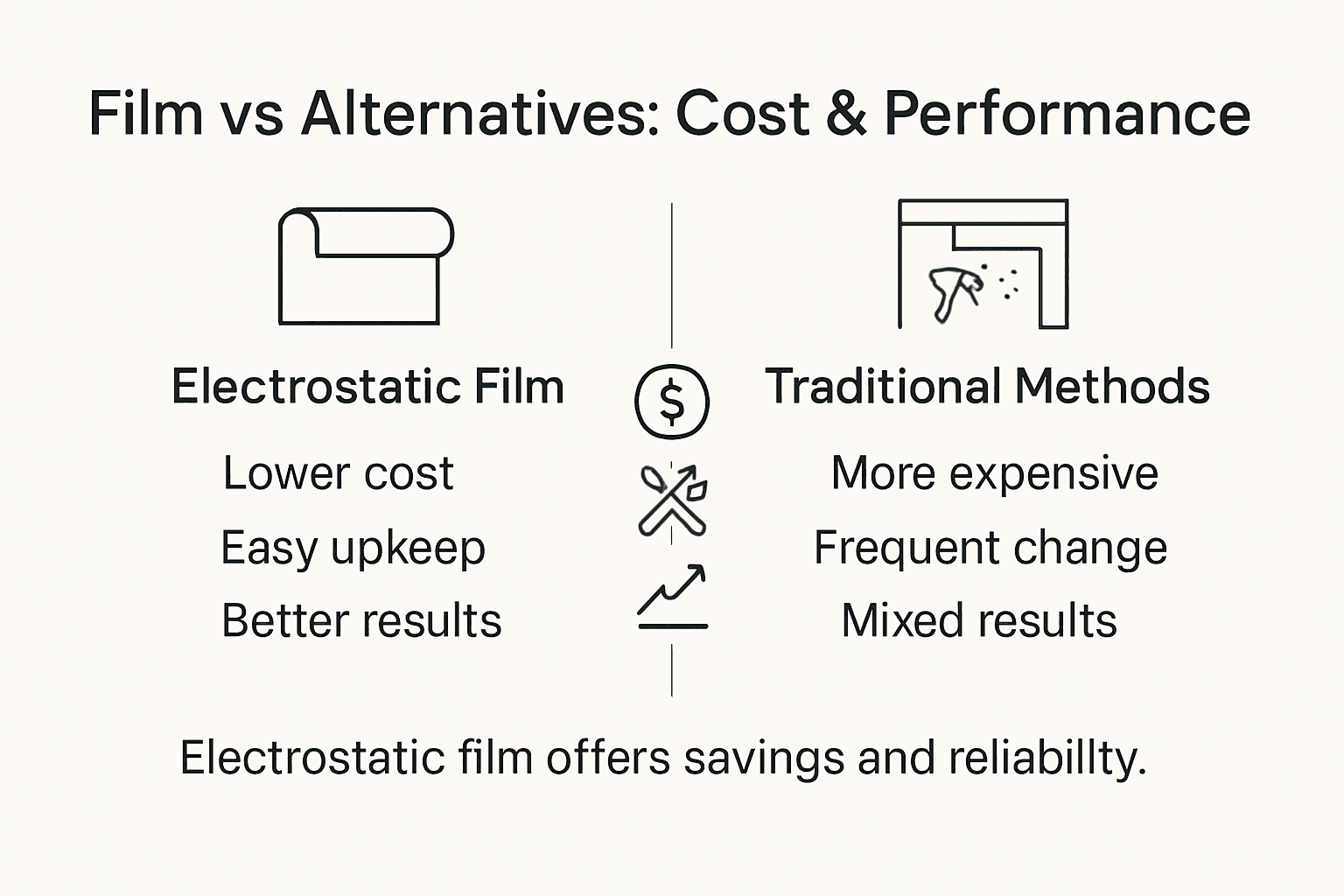
Comparing electrostatic protective films with conventional alternatives like mechanical coatings or standard adhesive tapes demonstrates multiple strategic advantages. Spray coating technology comparisons indicate that electrostatic films offer superior transfer efficiency and dramatically lower overspray rates. Traditional methods typically result in 30-40% material waste, whereas advanced electrostatic films can reduce this to less than 15%. The economic implications are significant, with potential savings of thousands of dollars annually in medium to large-scale manufacturing environments through reduced paint consumption and improved coating precision.
The total cost of ownership for electrostatic protective films involves multiple calculation factors beyond initial purchase price. Key economic considerations include material durability, application speed, maintenance requirements, and potential productivity gains. Advanced films reduce labor costs by simplifying installation, minimize equipment downtime through longer operational periods, and provide consistent performance across challenging industrial environments. Manufacturers should evaluate not just the upfront expenses but the comprehensive financial impact, including reduced rework, lower material consumption, and increased overall production efficiency.
The following table summarizes key performance and cost differences between electrostatic protective films and traditional alternatives:
| Aspect | Electrostatic Film | Traditional Methods |
|---|---|---|
| Material Waste | 15% or less | 30-40% typical |
| Installation Time | Fast, simplified process | More labor intensive |
| Overspray Rate | Minimal, highly controlled | High, variable |
| Long-term Cost Impact | Significant savings | Higher total expenses |
Pro Tip: Conduct a comprehensive cost-benefit analysis that includes both direct material expenses and indirect productivity gains when evaluating electrostatic protective film investments.
Maximize Your Spray Booth Efficiency with Advanced Electrostatic Protective Films
The article highlights the crucial challenges of managing static electricity and dust contamination in spray booth environments. You need reliable electrostatic protective films that deliver consistent static control, durability, and help maintain a dust-free atmosphere to ensure flawless paint finishes and enhanced safety. Key concerns like preventing static charge buildup, reducing overspray, and achieving easy, bubble-free installation are essential for superior operational performance.
At Dust Free Film, we specialize in supplying premium multi-layer electrostatic booth wall and floor protectors designed specifically for industrial spray booths. Our heat-resistant, static-free films not only meet but exceed the rigorous demands of high-traffic painting operations. Featuring patented application systems, our films guarantee quick and flawless installation, helping you eliminate installation errors and maintain a perfectly controlled electrostatic environment. Discover how our products align with the article’s insights and elevate your spray booth standards at Dust Free Film solutions.
Ready to transform your spray booth with the best in electrostatic protective technology

Explore our innovative products today and experience improved paint quality, reduced material waste, and enhanced safety for your operations. Visit Dust Free Film to learn more and request a custom consultation. Don’t wait to upgrade your facility with dependable, high-performance protection that keeps your spray booth efficient and dust-free.
Frequently Asked Questions
What are electrostatic protective films?
Electrostatic protective films are specialized solutions designed to manage and control static electricity in sensitive industrial environments, providing protection against electrostatic discharge (ESD) that can damage delicate electronic components.
What are the different types of electrostatic protective films and their uses?
The three primary types of electrostatic protective films are: 1) Conductive Films, which provide immediate grounding for static charge dissipation; 2) Dissipative Films, which offer controlled charge transfer; and 3) Anti-static Films, which prevent static buildup. Each type is tailored for specific industrial applications such as semiconductor manufacturing and spray booths.
How do electrostatic protective films help in dust control?
Electrostatic protective films create a controlled electrostatic field that attracts airborne dust particles, preventing them from settling on painting surfaces. This minimizes contamination risks and helps in achieving high-quality surface finishes during painting processes.
What are the key benefits of using electrostatic protective films in paint operations?
Electrostatic protective films enhance paint operations by improving surface coverage, reducing material waste, and providing increased efficiency. They also offer durability against environmental conditions, helping maintain consistent paint quality and reducing rework costs.