

Ο έλεγχος της μόλυνσης του θαλάμου ψεκασμού μπορεί να μοιάζει με μια ατελείωτη πρόκληση, ειδικά όταν διακυβεύονται φινιρίσματα υψηλής ποιότητας και αυστηροί στόχοι παραγωγής. Για τους διαχειριστές εγκαταστάσεων που επιβλέπουν τις εργασίες βαφής αυτοκινήτων ή βιομηχανιών, κάθε κόκκος σκόνης κινδυνεύει με δαπανηρή επανεπεξεργασία και ζημιά στη φήμη. Οι πολυστρωματικές προστατευτικές μεμβράνες προσφέρουν μια αξιόπιστη, καινοτόμο προσέγγιση που έχει σχεδιαστεί για να διατηρεί μια πραγματικά απαλλαγμένη από σκόνη επιφάνεια, παρέχοντας πολλαπλά στρώματα που όχι μόνο αιχμαλωτίζουν τη σκόνη αλλά υποστηρίζουν επίσης την εύκολη συντήρηση και την απόλυτη ποιότητα φινιρίσματος βαφής.
Πίνακας περιεχομένων
- Ορισμός προστατευτικής μεμβράνης πολλαπλών στρώσεων για θαλάμους ψεκασμού
- Επεξήγηση τύπων και συστημάτων διαστρωμάτωσης
- Βασικά χαρακτηριστικά και κριτήρια απόδοσης
- Εφαρμογές πραγματικού κόσμου σε βιομηχανικά περιβάλλοντα
- Κόστος, συντήρηση και κοινές προκλήσεις
- Σύγκριση εναλλακτικών λύσεων σε πολυστρωματικές ταινίες
Βασικά Takeaways
| Λεπτομέρειες σημείου | |
|---|---|
| Οι πολυστρωματικές μεμβράνες βελτιώνουν την ποιότητα βαφής | Οι προστατευτικές μεμβράνες πολλαπλών στρώσεων παρέχουν ανώτερη σύλληψη σκόνης και πρόληψη μόλυνσης, οδηγώντας σε φινιρίσματα βαφής υψηλής ποιότητας. |
| Στρατηγικός σχεδιασμός στρώματος | Κάθε στρώμα στις προστατευτικές μεμβράνες διαδραματίζει κρίσιμο ρόλο στη διατήρηση ενός καθαρού περιβάλλοντος βαφής, μεγιστοποιώντας την αποτελεσματικότητα με ελάχιστες παρεμβολές. |
| Οικονομική Αξία | Η αρχική επένδυση σε πολυστρωματικές μεμβράνες μπορεί να οδηγήσει σε σημαντική μακροπρόθεσμη εξοικονόμηση πόρων μειώνοντας το κόστος επανεπεξεργασίας και διασφαλίζοντας σταθερή ποιότητα. |
| Προσαρμοσμένες λύσεις για βιομηχανίες | Διαφορετικοί κλάδοι έχουν συγκεκριμένες απαιτήσεις. Η επιλογή μεμβρανών με βάση τις συνθήκες λειτουργίας ενισχύει την προστασία και την απόδοση. |
Ορισμός προστατευτικής μεμβράνης πολλαπλών στρώσεων για θαλάμους ψεκασμού
Οι πολυστρωματικές προστατευτικές μεμβράνες αντιπροσωπεύουν μια εξελιγμένη τεχνολογική λύση που έχει σχεδιαστεί ειδικά για τη διατήρηση περιβαλλόντων χωρίς σκόνη στις λειτουργίες του θαλάμου ψεκασμού. Αυτά τα προηγμένα συστήματα φιλμ έχουν σχεδιαστεί για να παρέχουν ολοκληρωμένη προστασία της επιφάνειας κατά τη διάρκεια των διαδικασιών βαφής και φινιρίσματος, χρησιμοποιώντας πολλαπλά προστατευτικά στρώματα που λειτουργούν συνεργιστικά για την πρόληψη της μόλυνσης.
Στον πυρήνα τους, αυτές οι μεμβράνες διαθέτουν μια πολύπλοκη πολυεπίπεδη προστατευτική δομή που συλλαμβάνει και παγιδεύει τα σωματίδια σκόνης προτού μπορέσουν να θέσουν σε κίνδυνο τα φινιρίσματα βαφής. Ο καινοτόμος σχεδιασμός περιλαμβάνει συνήθως πολλά βασικά στοιχεία:
- Πρωτογενές προστατευτικό στρώμα: Ένα ανθεκτικό φιλμ βάσης που παρέχει αρχική κάλυψη επιφάνειας
- Στρώμα έλξης σκόνης: Μια εξειδικευμένη επίστρωση σχεδιασμένη για να συλλαμβάνει μικροσκοπικά σωματίδια
- Στρώμα στατικής διάχυσης: Αποτρέπει τη συσσώρευση ηλεκτροστατικού φορτίου που θα μπορούσε να προσελκύσει πρόσθετους ρύπους
- Αποσπώμενη επιφάνεια: Επιτρέπει την εύκολη αφαίρεση χωρίς υπολείμματα μετά τις διαδικασίες βαφής
Η μηχανική πίσω από τις πολυστρωματικές προστατευτικές μεμβράνες υπερβαίνει την απλή επιφανειακή κάλυψη. Κάθε στρώμα εξυπηρετεί έναν στρατηγικό σκοπό για τη διατήρηση ενός παρθένου περιβάλλοντος ζωγραφικής. Τα ανώτερα στρώματα έχουν σχεδιαστεί για να είναι εξαιρετικά λεπτά αλλά απίστευτα αποτελεσματικά, επιτρέποντας στους ζωγράφους να εργάζονται με ελάχιστες παρεμβολές, εξασφαλίζοντας παράλληλα μέγιστη προστασία.
Οι επαγγελματίες χειριστές θαλάμων ψεκασμού αναγνωρίζουν ότι αυτές οι προστατευτικές μεμβράνες δεν είναι απλώς αξεσουάρ, αλλά κρίσιμη υποδομή για την επίτευξη φινιρισμάτων βαφής υψηλής ποιότητας. Μπλοκάροντας συστηματικά τη σκόνη, μειώνοντας τον στατικό ηλεκτρισμό και παρέχοντας μια καθαρή επιφάνεια εργασίας, οι μεμβράνες πολλαπλών στρώσεων βελτιώνουν δραματικά τα συνολικά αποτελέσματα βαφής.
Επαγγελματική συμβουλή: Πάντα να επιθεωρείτε και να εφαρμόζετε προσεκτικά προστατευτικές μεμβράνες πολλαπλών στρώσεων, διασφαλίζοντας ότι κάθε στρώμα είναι λείο και απαλλαγμένο από ζάρες ή φυσαλίδες αέρα για να μεγιστοποιήσετε την αποτελεσματικότητα προστασίας από τη σκόνη.
Επεξήγηση τύπων και συστημάτων διαστρωμάτωσης
Οι πολυστρωματικές προστατευτικές μεμβράνες για θαλάμους ψεκασμού αντιπροσωπεύουν μια πολύπλοκη μηχανική λύση με ποικίλες διαμορφώσεις που έχουν σχεδιαστεί για να μεγιστοποιούν την προστασία από τη σκόνη και την προετοιμασία της επιφάνειας. Οι προστατευτικές μεμβράνες θαλάμου ψεκασμού επιδεικνύουν αξιοσημείωτη ποικιλομορφία στις δομικές τους συνθέσεις, που συνήθως κυμαίνονται από 3 έως 5 διακριτά στρώματα, καθένα από τα οποία εξυπηρετεί έναν κρίσιμο λειτουργικό σκοπό.
Τα κύρια συστήματα διαστρωμάτωσης μπορούν να κατηγοριοποιηθούν σε διάφορες βασικές διαμορφώσεις:
-
Συστήματα τριών επιπέδων:
- Προστατευτική μεμβράνη βάσης
- Στρώμα σύλληψης σκόνης
- Επίστρωση στατικής διάχυσης
-
Προηγμένα συστήματα πέντε επιπέδων:
- Πρωτογενής μεμβράνη προστασίας επιφάνειας
- Μικροσκοπικό στρώμα έλξης σωματιδίων
- Ηλεκτροστατική επίστρωση εξουδετέρωσης
- Βελτιωμένη διεπαφή πρόσφυσης
- Αποσπώμενη επιφάνεια απελευθέρωσης
Η σύνθεση υλικού παίζει καθοριστικό ρόλο σε αυτές τις πολυστρωματικές προστατευτικές μεμβράνες. Οι περισσότεροι κατασκευαστές χρησιμοποιούν προηγμένα πολυμερή υλικά όπως πολυεστέρας και πολυπροπυλένιο, τα οποία παρέχουν εξαιρετική αντοχή και δυνατότητες δέσμευσης σωματιδίων. Ο στρατηγικός συνδυασμός αυτών των υλικών επιτρέπει ανώτερη απόδοση στην πρόληψη της μόλυνσης από σκόνη κατά τη διάρκεια των διαδικασιών βαφής με ψεκασμό.
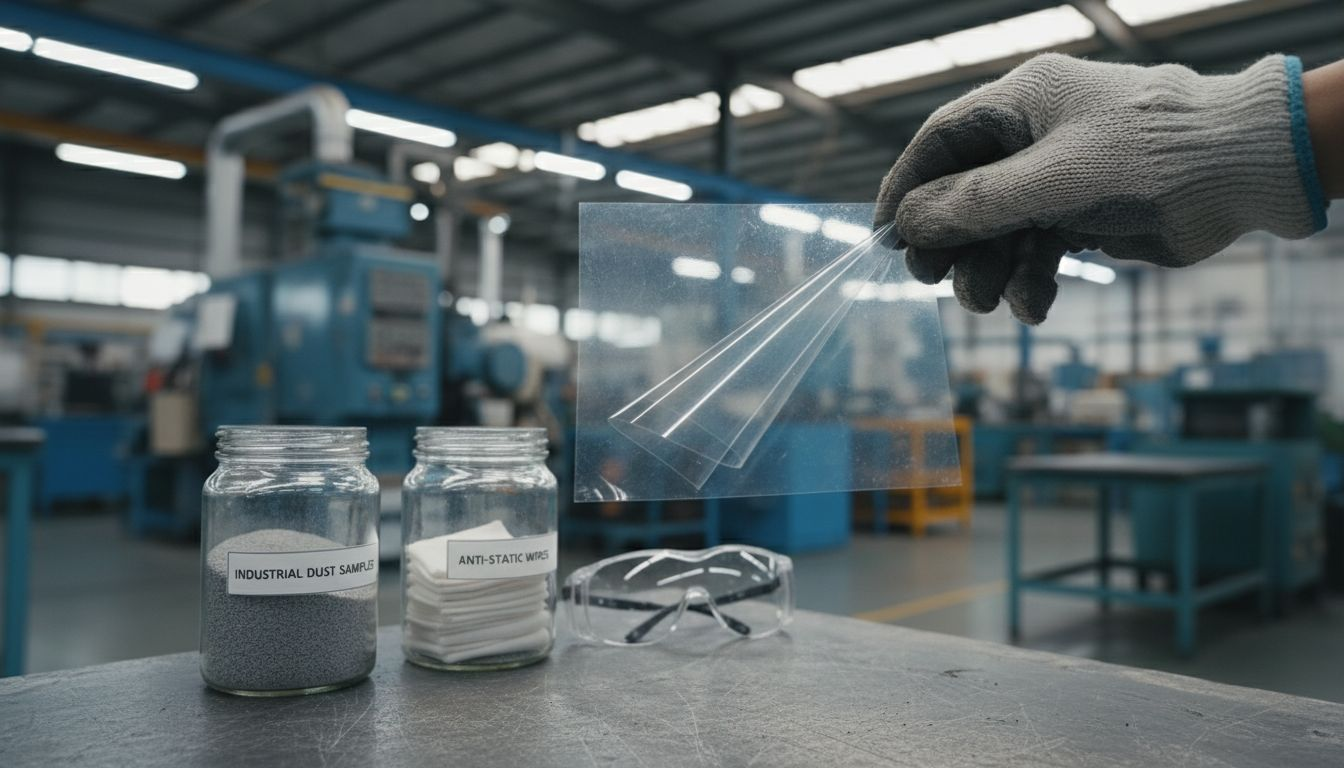
Οι επαγγελματίες χειριστές θαλάμων ψεκασμού κατανοούν ότι η πολυπλοκότητα αυτών των συστημάτων στρώσης συσχετίζεται άμεσα με την ποιότητα του φινιρίσματος της βαφής. Όσο πιο εξελιγμένη είναι η κατασκευή του φιλμ, τόσο πιο αποτελεσματικά μπορεί να παγιδεύσει μικροσκοπικά σωματίδια, να εξουδετερώσει τον στατικό ηλεκτρισμό και να παρέχει μια καθαρή επιφάνεια εργασίας για εφαρμογές βαφής ακριβείας.
Επαγγελματική συμβουλή: Επιλέξτε προστατευτικές μεμβράνες πολλαπλών στρώσεων με τουλάχιστον τέσσερα διακριτά στρώματα για να εξασφαλίσετε ολοκληρωμένη προστασία από τη σκόνη και βέλτιστη προετοιμασία της επιφάνειας σε περιβάλλοντα θαλάμου ψεκασμού υψηλής ακρίβειας.
Βασικά χαρακτηριστικά και κριτήρια απόδοσης
Οι πολυστρωματικές προστατευτικές μεμβράνες για θαλάμους ψεκασμού έχουν σχεδιαστεί με εξελιγμένα κριτήρια απόδοσης που εκτείνονται πολύ πέρα από τη βασική κάλυψη της επιφάνειας. Αυτά τα προηγμένα συστήματα προστασίας έχουν σχεδιαστεί σχολαστικά για να αντιμετωπίζουν τις περίπλοκες προκλήσεις των βιομηχανικών περιβαλλόντων βαφής, με κάθε στρώμα να συμβάλλει στη συνολική πρόληψη της σκόνης και στην ποιότητα του φινιρίσματος.
Τα βασικά κριτήρια απόδοσης για πολυστρωματικές προστατευτικές μεμβράνες περιλαμβάνουν:
-
Πρόληψη μόλυνσης από σκόνη:
- Μικροσκοπική αποτελεσματικότητα δέσμευσης σωματιδίων
- Εξουδετέρωση στατικού ηλεκτρισμού
- Συνεχής προστασία επιφάνειας
-
Απόδοση κόλλας:
- Ασφαλής αλλά αφαιρούμενη τοποθέτηση
- Ελάχιστα επιφανειακά υπολείμματα
- Σταθερή αντοχή συγκόλλησης
-
Μετρήσεις αντοχής:
- Αντοχή στη θερμοκρασία
- Ανοχή μηχανικής καταπόνησης
- Μακροπρόθεσμη δομική ακεραιότητα
Η απόδοση υλικού αντιπροσωπεύει μια κρίσιμη πτυχή αυτών των συστημάτων προστασίας. Οι μεμβράνες επαγγελματικής ποιότητας πρέπει να επιδεικνύουν εξαιρετική αντοχή στους περιβαλλοντικούς παράγοντες, διατηρώντας τις προστατευτικές τους ιδιότητες κάτω από διαφορετικές συνθήκες θερμοκρασίας και υγρασίας. Ο μοριακός σχεδιασμός αυτών των μεμβρανών τους επιτρέπει να δημιουργήσουν ένα σχεδόν αδιαπέραστο φράγμα ενάντια στη σκόνη, τον υπερβολικό ψεκασμό και τους πιθανούς ρύπους που θα μπορούσαν να θέσουν σε κίνδυνο την ποιότητα της βαφής.
Οι χειριστές βιομηχανικών θαλάμων ψεκασμού αναγνωρίζουν ότι η αποτελεσματικότητα των προστατευτικών μεμβρανών συσχετίζεται άμεσα με την ακρίβεια του φινιρίσματος της βαφής. Τα προηγμένα συστήματα πολλαπλών στρωμάτων παρέχουν ένα ελεγχόμενο περιβάλλον που ελαχιστοποιεί τις εξωτερικές παρεμβολές, επιτρέποντας στους ζωγράφους να επιτυγχάνουν σταθερά ανώτερα αποτελέσματα σε πολλαπλές εφαρμογές.
Αυτή η περίληψη περιγράφει πώς τα βασικά χαρακτηριστικά των προστατευτικών μεμβρανών πολλαπλών στρώσεων οδηγούν στην πραγματική επιχειρηματική απόδοση:
| Βασικό χαρακτηριστικό | Λειτουργικό όφελος | Επιχειρηματικό αποτέλεσμα |
|---|---|---|
| Προηγμένη σύλληψη σκόνης | Λιγότερα ελαττώματα βαφής | Υψηλότερη ποιότητα προϊόντος |
| Στατική διάχυση | Μειωμένη μόλυνση | Χαμηλότερα έξοδα επανεπεξεργασίας |
| Αποσπώμενο, χωρίς υπολείμματα | Γρήγορη, καθαρή αλλαγή | Βελτιωμένος χρόνος λειτουργίας θαλάμου |
| Ανθεκτικότητα με βάση το πολυμερές | Αντέχει σε δύσκολες συνθήκες | Εκτεταμένος κύκλος ζωής φιλμ |
Επαγγελματική συμβουλή: Διεξάγετε περιοδικές δοκιμές απόδοσης των προστατευτικών μεμβρανών πολλαπλών στρώσεων, μετρώντας την αποτελεσματικότητα δέσμευσης σκόνης και την απόδοση της κόλλας για να εξασφαλίσετε τη βέλτιστη προστασία του θαλάμου ψεκασμού.
Εφαρμογές πραγματικού κόσμου σε βιομηχανικές ρυθμίσεις
Οι πολυστρωματικές προστατευτικές μεμβράνες έχουν γίνει βασικές λύσεις σε διάφορα βιομηχανικά περιβάλλοντα, με συγκεκριμένες εφαρμογές σε κατασκευαστικούς τομείς που απαιτούν εξαιρετική προστασία επιφανειών και έλεγχο μόλυνσης. Αυτές οι προηγμένες μεμβράνες παρέχουν κρίσιμη υποστήριξη για τη διατήρηση προτύπων παραγωγής υψηλής ποιότητας σε πολλούς κλάδους.
Οι βασικοί βιομηχανικοί τομείς που χρησιμοποιούν πολυστρωματικές προστατευτικές μεμβράνες περιλαμβάνουν:
-
Αυτοκινητοβιομηχανία:
- Προετοιμασία πάνελ αμαξώματος
- Προστασία επιφάνειας θαλάμου βαφής
- Εφαρμογές επίστρωσης ακριβείας
-
Αεροδιαστημική Μηχανική:
- Φανοποιία εξαρτημάτων αεροσκαφών
- Επεξεργασία επιφάνειας σύνθετου υλικού
- Εξειδικευμένες διαδικασίες επίστρωσης
-
Παραγωγή ηλεκτρονικών:
- Ευαίσθητη θωράκιση επιφάνειας εξοπλισμού
- Επίστρωση εξαρτημάτων ακριβείας
- Προστασία του περιβάλλοντος με ευαισθησία στα στατικά
Η τεχνική απόδοση σε βιομηχανικά περιβάλλοντα απαιτεί εξαιρετική αξιοπιστία. Αυτές οι προστατευτικές μεμβράνες πρέπει να αντέχουν σε ακραίες περιβαλλοντικές συνθήκες, συμπεριλαμβανομένων των υψηλών θερμοκρασιών, της μηχανικής καταπόνησης και των πιθανών χημικών αλληλεπιδράσεων. Η μοριακή μηχανική πίσω από αυτές τις μεμβράνες τους επιτρέπει να δημιουργήσουν ένα ισχυρό φράγμα που αποτρέπει τη μικροσκοπική μόλυνση διατηρώντας παράλληλα την ακεραιότητα της επιφάνειας κατά τη διάρκεια πολύπλοκων διαδικασιών παραγωγής.
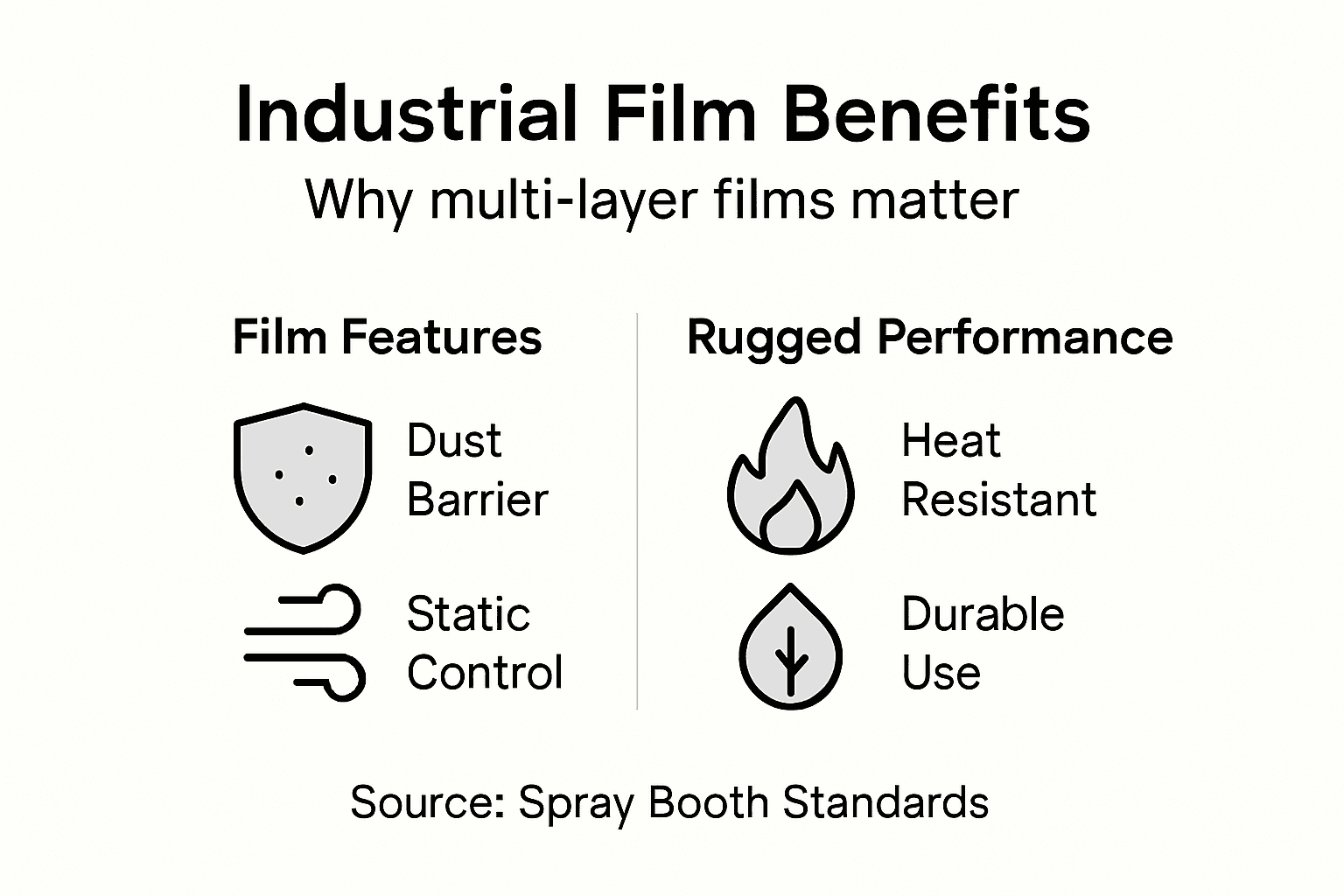
Τα επαγγελματικά περιβάλλοντα παραγωγής βασίζονται σε αυτές τις πολυεπίπεδες προστατευτικές λύσεις για τη διασφάλιση σταθερής ποιότητας προϊόντων, τη μείωση του κόστους επανεπεξεργασίας και τη διατήρηση αυστηρών προτύπων καθαριότητας. Παρέχοντας μια ελεγχόμενη επιφάνεια χωρίς σκόνη, αυτές οι μεμβράνες συμβάλλουν άμεσα στη βελτίωση της λειτουργικής απόδοσης και της απόδοσης του προϊόντος σε διάφορες βιομηχανικές εφαρμογές.
Επαγγελματική συμβουλή: Προσαρμόστε τις επιλογές προστατευτικών μεμβρανών πολλαπλών στρωμάτων με βάση συγκεκριμένες απαιτήσεις βιομηχανικού περιβάλλοντος, λαμβάνοντας υπόψη το εύρος θερμοκρασίας, την έκθεση σε χημικά και την πολυπλοκότητα της επιφάνειας.
Κόστος, συντήρηση και κοινές προκλήσεις
Οι πολυστρωματικές προστατευτικές μεμβράνες παρουσιάζουν περίπλοκες οικονομικές εκτιμήσεις για βιομηχανικές λειτουργίες, με κρίσιμες προκλήσεις απόδοσης που επηρεάζουν άμεσα τη συνολική σχέση κόστους-αποτελεσματικότητας. Η κατανόηση της διαφοροποιημένης οικονομικής και λειτουργικής δυναμικής είναι απαραίτητη για τους διαχειριστές εγκαταστάσεων που αναζητούν βέλτιστες στρατηγικές προστασίας.
Τα βασικά ζητήματα κόστους και συντήρησης περιλαμβάνουν:
-
Άμεσοι οικονομικοί παράγοντες:
- Αρχικό κόστος προμήθειας ταινιών
- Συχνότητα αντικατάστασης
- Εργατικά έξοδα για την εγκατάσταση
- Πιθανή εξοικονόμηση για την πρόληψη της επανεπεξεργασίας
-
Προκλήσεις που σχετίζονται με την απόδοση:
- Συνοχή πρόσφυσης
- Ανθεκτικότητα στρώσης
- Πρόληψη επιφανειακών ζημιών
- Αντοχή στη μόλυνση
-
Απαιτήσεις συντήρησης:
- Πρωτόκολλα τακτικής επιθεώρησης
- Έγκαιρη αντικατάσταση στρώματος
- Κατάλληλες συνθήκες αποθήκευσης
- Συστηματικές τεχνικές εφαρμογής
Η οικονομική ανάλυση αποκαλύπτει ότι ενώ οι πολυστρωματικές προστατευτικές μεμβράνες αντιπροσωπεύουν μια αρχική επένδυση, δημιουργούν σημαντική μακροπρόθεσμη εξοικονόμηση πόρων αποτρέποντας τη μόλυνση της επιφάνειας, μειώνοντας την επανεπεξεργασία της βαφής και διατηρώντας πρότυπα παραγωγής υψηλής ποιότητας. Η πιο οικονομική προσέγγιση περιλαμβάνει την επιλογή μεμβρανών με βέλτιστη ανθεκτικότητα στρώσης και ακριβείς τεχνικές εφαρμογής που ελαχιστοποιούν τα απόβλητα και μεγιστοποιούν την προστατευτική απόδοση.
Τα επαγγελματικά περιβάλλοντα παραγωγής πρέπει να εξισορροπούν το αρχικό κόστος του φιλμ με πιθανές βελτιώσεις ποιότητας και μειωμένα έξοδα συντήρησης. Οι εξελιγμένοι διαχειριστές εγκαταστάσεων αναγνωρίζουν ότι η επένδυση σε υψηλής ποιότητας πολυστρωματικές προστατευτικές μεμβράνες δεν αποτελεί δαπάνη, αλλά στρατηγική προσέγγιση για τη διατήρηση της λειτουργικής αριστείας και της ποιότητας των προϊόντων.
Επαγγελματική συμβουλή: Αναπτύξτε ένα ολοκληρωμένο σύστημα παρακολούθησης για την παρακολούθηση της απόδοσης του φιλμ, των κύκλων αντικατάστασης και της εξοικονόμησης κόστους για να βελτιστοποιήσετε την επενδυτική σας στρατηγική προστατευτικού φιλμ.
Σύγκριση εναλλακτικών λύσεων σε πολυστρωματικές μεμβράνες
Οι διαχειριστές εγκαταστάσεων που αξιολογούν λύσεις προστασίας θαλάμων ψεκασμού πρέπει να αξιολογήσουν προσεκτικά εναλλακτικές τεχνολογίες προστατευτικών μεμβρανών για να καθορίσουν την πιο αποτελεσματική προσέγγιση για τις συγκεκριμένες λειτουργικές απαιτήσεις τους. Η κατανόηση των πλεονεκτημάτων και των περιορισμών των διαφορετικών συστημάτων προστασίας είναι ζωτικής σημασίας για τη λήψη τεκμηριωμένων επενδυτικών αποφάσεων.
Οι βασικές εναλλακτικές λύσεις για τις πολυστρωματικές προστατευτικές μεμβράνες περιλαμβάνουν:
-
Αυτοκόλλητες μεμβράνες μονής στρώσης:
- Χαμηλότερο αρχικό κόστος
- Λιγότερο ανθεκτικό
- Συχνότερη αντικατάσταση
- Περιορισμένη προστασία από μόλυνση
-
Σπρέι επίστρωσης με δυνατότητα αποκόλλησης:
- Μέθοδος υγρής εφαρμογής
- Σύνθετη προετοιμασία επιφάνειας
- Ασυνεπής κάλυψη
- Περιορισμένη επαναχρησιμοποίηση
-
Επαναχρησιμοποιήσιμα καλύμματα θαλάμων:
- Προστασία με βάση το ύφασμα
- Πλένεται και επαναχρησιμοποιείται
- Περιορισμένες δυνατότητες δέσμευσης σκόνης
- Υψηλότερη αρχική επένδυση
Η Συγκριτική Ανάλυση Απόδοσης αποκαλύπτει ότι οι μεμβράνες πολλαπλών στρώσεων υπερτερούν σταθερά των εναλλακτικών λύσεων σε κρίσιμες μετρήσεις, όπως η πρόληψη της σκόνης, η ευκολία εφαρμογής και η συνολική σχέση κόστους-αποτελεσματικότητας. Ενώ οι μεμβράνες μονής στρώσης και τα σπρέι επίστρωσης μπορεί αρχικά να φαίνονται πιο οικονομικά, συχνά οδηγούν σε υψηλότερα μακροπρόθεσμα έξοδα λόγω αυξημένης συντήρησης και μειωμένης ποιότητας βαφής.
Ακολουθεί μια σύγκριση των κύριων εναλλακτικών προστατευτικών μεμβρανών θαλάμου ψεκασμού και των λειτουργικών τους πλεονεκτημάτων:
| Ανθεκτικότητα προστατευτικού διαλύματος | Κατά τη χρήση Καλύτερα | κατάλληλα περιβάλλοντα | Τυπικό μακροπρόθεσμο αντίκτυπο κόστους |
|---|---|---|---|
| Πολυστρωματική προστατευτική μεμβράνη | Υψηλή, πολλαπλών κύκλων | Αυτοκίνητο, αεροδιαστημική, ηλεκτρονική | Το πιο οικονομικό συνολικά |
| Αυτοκόλλητη μεμβράνη μονής στρώσης | Μέτρια, βραχυπρόθεσμη | Μικρά εργαστήρια | Υψηλότερο λόγω συχνών αλλαγών |
| Αποσπώμενο σπρέι επίστρωσης | Μεταβλητό, εξαρτώμενο από την επιφάνεια | Περιστασιακή ή ακανόνιστη προστασία | Το κόστος εργασίας μπορεί να είναι σημαντικό |
| Επαναχρησιμοποιήσιμα καλύμματα θαλάμων | Ισχυρό, πλενόμενο | Μεγάλος όγκος, ποικίλες επιφάνειες | Αρχικό κόστος και μετά χαμηλότερο |
Οι επαγγελματίες χειριστές θαλάμων ψεκασμού αναγνωρίζουν ότι οι πιο εξελιγμένες στρατηγικές προστασίας περιλαμβάνουν την επιλογή λύσεων που εξισορροπούν την αρχική επένδυση με τη μακροπρόθεσμη απόδοση. Η πολυπλοκότητα των πολυστρωματικών μεμβρανών παρέχει μια πιο ολοκληρωμένη προσέγγιση για τη διατήρηση παρθένων περιβαλλόντων ζωγραφικής σε σύγκριση με απλούστερες, λιγότερο προηγμένες εναλλακτικές λύσεις.
Επαγγελματική συμβουλή: Πραγματοποιήστε μια ολοκληρωμένη ανάλυση κόστους-οφέλους συγκρίνοντας τα συνολικά έξοδα κύκλου ζωής διαφορετικών τεχνολογιών προστατευτικών μεμβρανών πριν κάνετε μια τελική επιλογή.
Βελτιώστε την ποιότητα του θαλάμου ψεκασμού σας με αποδεδειγμένες προστατευτικές μεμβράνες πολλαπλών στρώσεων
Η διατήρηση ενός περιβάλλοντος θαλάμου ψεκασμού χωρίς σκόνη είναι απαραίτητη για την αποφυγή μόλυνσης, τη μείωση των ελαττωμάτων βαφής και τη μείωση της δαπανηρής επανεπεξεργασίας. Όπως τονίζει το άρθρο, προκλήσεις όπως η αποτελεσματικότητα δέσμευσης σκόνης, η στατική διάχυση και η εύκολη αποφλοίωση επηρεάζουν άμεσα την ποιότητα του φινιρίσματος της βαφής. Εάν θέλετε να λύσετε αυτά τα προβλήματα με προηγμένη, πολυστρωματική τεχνολογία προστατευτικής μεμβράνης που έχει σχεδιαστεί για απαιτητικά βιομηχανικά περιβάλλοντα, εξερευνήστε λύσεις που συνδυάζουν ανθεκτικότητα, αντοχή στη θερμότητα και απόδοση χωρίς στατικό ηλεκτρισμό.
Στην Dust Free Film, ειδικευόμαστε σε υψηλής ποιότητας πολυστρωματικές ηλεκτροστατικές προστατευτικές μεμβράνες που παρέχουν ανώτερη προστασία από τη σκόνη και γρήγορη εγκατάσταση χωρίς φυσαλίδες με πατενταρισμένα συστήματα διανομής. Οι μεμβράνες μας παρέχουν αξιόπιστη πρόσφυση χωρίς υπολείμματα και αντέχουν σε σκληρές συνθήκες θαλάμου ψεκασμού για να μεγιστοποιήσουν το χρόνο λειτουργίας και τα αποτελέσματα φινιρίσματος βαφής.
Είστε έτοιμοι να ενισχύσετε την ποιότητα και τη λειτουργική απόδοση του θαλάμου ψεκασμού σας σήμερα; Επισκεφτείτε το Dust Free Film για να ανακαλύψετε πώς οι καινοτόμες προστατευτικές μεμβράνες πολλαπλών στρώσεων μπορούν να προστατεύσουν τους τοίχους και τα δάπεδα του θαλάμου ψεκασμού σας από μόλυνση. Μην περιμένετε—βεβαιωθείτε ότι η επόμενη βαφή σας πληροί τα υψηλότερα πρότυπα επιλέγοντας τώρα αποδεδειγμένη, κορυφαία στον κλάδο προστασία.
Συχνές Ερωτήσεις
Τι είναι μια πολυστρωματική προστατευτική μεμβράνη για θαλάμους ψεκασμού;
Οι πολυστρωματικές προστατευτικές μεμβράνες είναι προηγμένες τεχνολογικές λύσεις που έχουν σχεδιαστεί για να διατηρούν περιβάλλοντα χωρίς σκόνη στους θαλάμους ψεκασμού. Αποτελούνται από πολλαπλά στρώματα που συνεργάζονται για να αποτρέψουν τη μόλυνση κατά τις διαδικασίες βαφής και φινιρίσματος.
Πώς οι πολυστρωματικές προστατευτικές μεμβράνες βελτιώνουν την ποιότητα βαφής;
Αυτές οι μεμβράνες βελτιώνουν την ποιότητα βαφής εμποδίζοντας τη σκόνη, μειώνοντας τον στατικό ηλεκτρισμό και παρέχοντας μια καθαρή επιφάνεια εργασίας. Αυτό έχει ως αποτέλεσμα λιγότερα ελαττώματα και υψηλότερα πρότυπα φινιρίσματος στις εφαρμογές βαφής.
Ποια είναι τα τυπικά στρώματα που βρίσκονται σε πολυστρωματικές προστατευτικές μεμβράνες;
Οι τυπικές προστατευτικές μεμβράνες πολλαπλών στρώσεων περιλαμβάνουν ένα πρωτεύον προστατευτικό στρώμα, ένα στρώμα έλξης σκόνης, ένα στρώμα στατικής διάχυσης και μια αποσπώμενη επιφάνεια για εύκολη αφαίρεση χωρίς υπολείμματα.
Πώς συγκρίνονται οι πολυστρωματικές προστατευτικές μεμβράνες με τις μεμβράνες μονής στρώσης;
Οι μεμβράνες πολλαπλών στρώσεων προσφέρουν γενικά ανώτερη απόδοση όσον αφορά την πρόληψη της σκόνης, την ανθεκτικότητα και τη συνολική σχέση κόστους-αποτελεσματικότητας σε σύγκριση με τις μεμβράνες μονής στρώσης, οι οποίες τείνουν να απαιτούν συχνότερες αντικαταστάσεις και παρέχουν λιγότερο ολοκληρωμένη προστασία από τη μόλυνση.