Dust Free Film
Back to Blog

Protective Films: Boosting Efficiency in Spray Booths

By Dust Free - Spray Booth FilmFebruary 18, 202610 min read
Protective Films: Boosting Efficiency in Spray Booths

Finding new ways to keep paint jobs flawless and dust-free is a daily challenge for facility managers in European automotive and industrial painting operations. Reliable surface protection matters because overspray and contaminants can compromise finish quality and increase cleaning time. High-quality protective films act as tough, removable barriers that help maintain cleaner work environments, reduce labor costs, and protect sensitive equipment. This overview explains how choosing the right protective film makes it easier to achieve consistent results and operational efficiency.

Table of Contents

Key Takeaways

Point Details
Protective Films Enhance Surface Protection Protective films provide crucial barriers against overspray, dust, and contamination, ensuring high-quality finishes in industrial painting processes.
Diverse Film Types for Various Needs Different protective film types, such as statically charged and heat-insulating films, offer tailored solutions for specific environments and operational challenges.
Efficiency and Cost Savings Implementing protective films significantly reduces cleaning times and maintenance costs, ultimately enhancing operational efficiency and productivity.
Important Installation Practices Proper surface preparation and installation are essential to maximize the effectiveness of protective films and prevent performance issues.

What Are Protective Films for Spray Booths

Protective films for spray booths are specialized barrier materials designed to shield critical surfaces during painting and coating processes. These advanced solutions offer comprehensive protection against overspray, dust, and contamination in industrial environments. Specialized protective films act as critical safeguards for maintaining high-quality surface finishes across automotive, aerospace, and manufacturing sectors.

At their core, protective films serve multiple strategic functions in spray booth operations:

  • Prevent overspray adhesion to walls, equipment, and surfaces
  • Block dust and microscopic particulate contamination
  • Create a removable barrier that preserves equipment integrity
  • Reduce cleaning time and labor costs
  • Maintain consistent painting environment quality

Modern protective films come in multiple application formats, including removable spray-on coatings and adhesive-backed films. Peelable protective coatings can be directly applied to surfaces like walls, lights, and equipment, forming a durable layer that can be cleanly removed after painting processes.

These innovative solutions are engineered with advanced materials that withstand high temperatures, resist chemical interactions, and provide static-free protection. Industrial facilities can select from various film types tailored to specific environmental conditions, substrate materials, and painting techniques.

Protective films are not just a surface covering - they’re a critical quality control mechanism for precision painting environments.

Pro tip: Always select protective films rated for your specific industrial temperature and chemical exposure requirements to maximize equipment longevity and painting performance.

Types of Protective Films and Their Distinctions

Protective films for spray booths represent a sophisticated array of surface protection technologies, each designed to address specific industrial painting challenges. Multi-layer protective films offer advanced solutions that go beyond simple surface coverage, providing nuanced protection for complex industrial environments.

These protective films can be categorized into several distinct types based on their unique characteristics:

  • Statically Charged Films: Attract and capture overspray particles
  • Non-Adhesive Films: Easy application without tape or magnetic attachments
  • Heat-Insulating Films: Reduce operational energy costs
  • Removable Layer Films: Allow sequential layer peeling for efficient surface protection
  • Spray-On Protective Coatings: Liquid applications that dry into protective barriers

Industrial facilities can select from different film configurations depending on their specific requirements. Spray booth protective coatings vary in critical performance metrics such as:

  • Adhesion strength
  • Solvent resistance
  • Environmental durability
  • Ease of removal
  • Temperature tolerance

The sophistication of modern protective films allows for unprecedented customization. Manufacturers now produce specialized films that can withstand extreme temperatures, resist chemical interactions, and provide static-free protection across diverse industrial painting environments.

Here’s a comparison of common types of protective films and where they best apply:

Film Type Best Suited Environments Distinguishing Benefit
Statically Charged Films High-dust spray booths Actively attract and trap overspray
Non-Adhesive Films Temporary setups Quick repositioning, residue-free
Heat-Insulating Films Energy-sensitive facilities Reduces heat loss during operation
Removable Layer Films High-frequency paint changes Fast, sequential layer removal
Spray-On Coatings Complex or detailed surfaces Even coverage of hard-to-tape areas

Advanced protective films are engineered precision tools, not just simple surface coverings.

Pro tip: Carefully assess your specific spray booth environment and painting requirements before selecting a protective film to ensure maximum performance and equipment longevity.

Key Features and Functional Advantages

Protective booth films represent a sophisticated solution for industrial painting environments, offering multiple advanced features that dramatically improve operational efficiency. These innovative materials are engineered to provide comprehensive surface protection while addressing critical performance challenges in spray booth settings.

The key features of protective films include several critical performance attributes:

  • Barrier Protection: Trap overspray and microscopic contaminants
  • Solvent Resistance: Withstand harsh chemical interactions
  • Quick Application: Enable rapid installation and removal
  • Surface Preservation: Maintain equipment and booth surface integrity
  • Light Transmission: Preserve clarity and light reflection in work areas

Functional advantages extend far beyond basic surface coverage. Multi-layer protective films deliver strategic operational benefits such as:

  • Reduced cleaning labor and time
  • Enhanced paint quality through controlled environments
  • Lower operational costs via heat insulation
  • Extended equipment protection
  • Improved workplace efficiency

The sophisticated engineering behind these films allows for active particulate management. Some advanced films feature statically charged surfaces that actively attract and capture overspray, transforming passive protection into a dynamic contamination control mechanism.

Protective films are not merely a surface covering - they are precision engineering solutions designed to optimize industrial painting processes.

Pro tip: Conduct a comprehensive assessment of your specific spray booth environment to select protective films that precisely match your operational temperature, chemical exposure, and surface protection requirements.

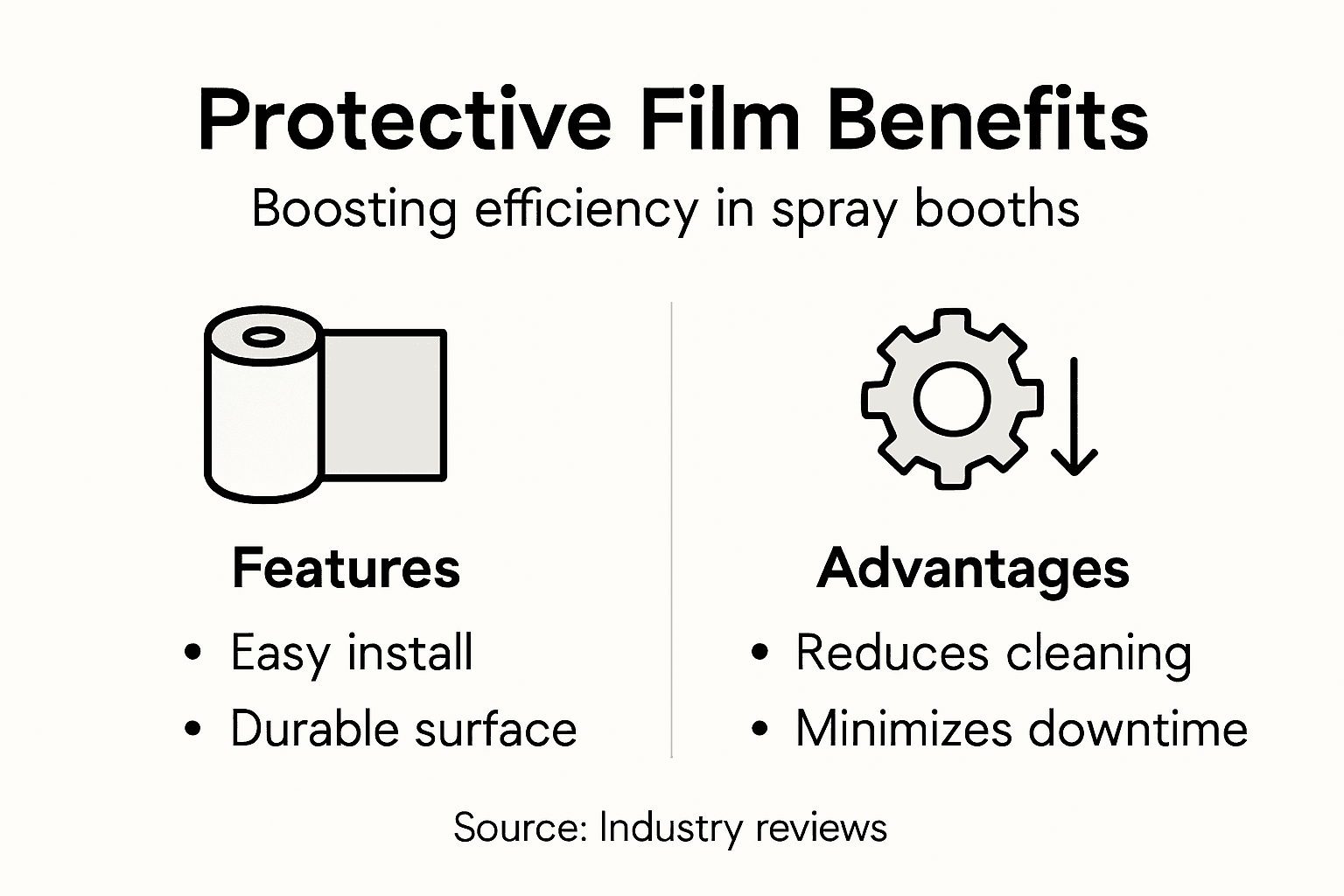
Infographic showing features and advantages of protective films

Applications in Automotive and Industrial Settings

Protective films in manufacturing play a critical role across multiple precision-driven industries, serving as essential protective barriers that maintain high-quality surface finishes and prevent contamination. These advanced materials have become indispensable solutions for automotive refinishing, aerospace engineering, and complex industrial painting processes.

Specific application areas for protective films include:

  • Automotive Refinishing: Protecting vehicle body panels during painting
  • Original Equipment Manufacturing (OEM): Shielding sensitive components
  • Aerospace Surfaces: Preserving intricate equipment and structural elements
  • Industrial Equipment: Maintaining machinery and control panel surfaces
  • Contract Manufacturing: Ensuring consistent surface quality

In automotive settings, protective booth films are strategically applied to multiple critical areas:

  • Booth walls and doors
  • Lighting fixtures
  • Flooring surfaces
  • Control panels
  • Equipment interfaces

The strategic application of these films enables manufacturers to achieve several significant operational advantages, including reduced cleaning time, minimized surface damage, and consistently high-quality paint finishes. Advanced protective films transform spray booth environments from potential contamination zones into precisely controlled manufacturing spaces.

Protective films represent more than surface protection - they are precision engineering solutions that optimize industrial painting processes.

Pro tip: Select protective films specifically engineered for your industry’s unique environmental and operational challenges to maximize performance and equipment longevity.

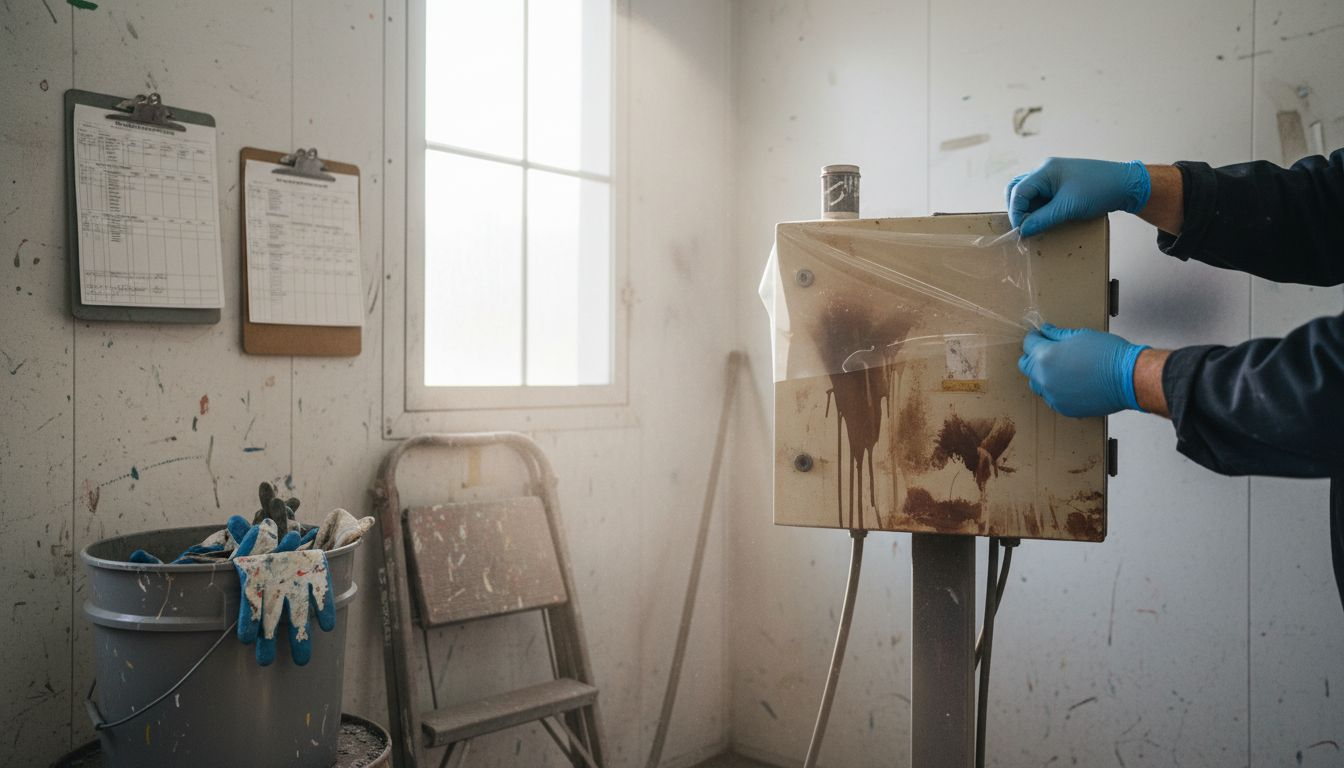
Worker removing protective film from control panel

Efficiency Benefits and Cost Impact

Protective film technologies represent a strategic investment for industrial facilities seeking to optimize operational efficiency and reduce long-term maintenance expenses. These advanced materials deliver substantial economic benefits by transforming traditional spray booth maintenance approaches and minimizing unnecessary downtime.

Key efficiency benefits include:

  • Reduced labor cleaning times
  • Decreased chemical usage
  • Minimized equipment downtime
  • Lower maintenance expenses
  • Improved production throughput
  • Enhanced surface preservation
  • Streamlined workflow processes

Global market research demonstrates that high-performance protective films can generate significant cost savings through multiple operational improvements:

  • Reducing rework by maintaining cleaner painting environments
  • Extending equipment lifespan
  • Supporting sustainability initiatives
  • Minimizing waste generation
  • Optimizing resource allocation

The economic impact extends beyond immediate cost reduction, creating a comprehensive approach to manufacturing efficiency. By preventing surface contamination and reducing repeated cleaning cycles, protective films transform spray booth environments into more productive, cost-effective operational spaces.

This table highlights how protective films impact business efficiency:

Efficiency Factor Impact with Protective Films
Labor Costs Cuts cleaning time and manpower required
Equipment Longevity Reduces wear and extends service intervals
Sustainability Lowers chemical and water consumption
Production Throughput Minimizes downtime between painting cycles
Paint Quality Consistency Maintains contaminant-free environments

Protective films are not an expense - they are a strategic investment in manufacturing excellence.

Pro tip: Conduct a comprehensive cost-benefit analysis comparing your current maintenance approach with protective film implementation to quantify potential efficiency gains.

Avoiding Common Mistakes with Protective Films

Protective film application requires precision and careful attention to prevent performance-compromising errors that can undermine spray booth efficiency. Understanding and anticipating these common mistakes is crucial for maintaining optimal surface protection and achieving consistently high-quality painting results.

Key mistakes to avoid include:

  • Applying films on dirty or contaminated surfaces
  • Neglecting proper surface preparation
  • Choosing inappropriate film types for specific environments
  • Improper alignment during installation
  • Failing to replace contaminated film layers
  • Ignoring manufacturer installation guidelines
  • Leaving films in place beyond recommended duration

Multi-layer protective films demand specific installation techniques to ensure maximum effectiveness:

  • Clean surfaces thoroughly before application
  • Inspect surfaces for oil, dust, or residue
  • Use recommended installation tools
  • Follow manufacturer-specific alignment instructions
  • Check film edges for secure attachment
  • Remove and replace layers before excessive contamination builds

Proper film selection and application are critical. Different spray booth environments require tailored protective solutions that match specific temperature ranges, chemical exposures, and surface materials.

Protective film performance is determined by the precision of its application, not just its inherent qualities.

Pro tip: Develop a standardized film installation and replacement protocol specific to your facility’s unique spray booth requirements to minimize application errors.

Enhance Your Spray Booth Efficiency with Premium Protective Films

Protective films are essential for maintaining a dust-free, contamination-free spray booth environment that improves paint quality and reduces costly rework. If you are focused on minimizing overspray, accelerating cleaning time, and prolonging equipment life, then the challenges discussed in “Protective Films: Boosting Efficiency in Spray Booths” directly relate to your operational goals. Our multi-layer electrostatic films deliver advanced barrier protection that actively traps dust and overspray while being heat-resistant and easy to install.

Dust Free Film specializes in these innovative solutions, engineered for automotive refinishing and industrial painting environments where precision and durability matter most. Our patented application systems ensure bubble-free installation with fast replacement options to keep your workflow seamless. Explore how our products address key pain points like contamination control, solvent resistance, and rapid film removal. Learn more about the benefits of multi-layer protective films designed under stringent European manufacturing standards to enhance your spray booth performance.

Looking to transform your spray booth operations today?

https://www.dustfreefilm.com

Discover how Dust Free Film can help you boost productivity and protect your investment with proven dust protection films. Visit Dust Free Film now to explore our range of durable, static-free protective solutions tailored for your industry. Don’t wait to improve your paint finishes and lower maintenance costs. Act now and experience spray booth efficiency like never before.

Frequently Asked Questions

What are protective films for spray booths?

Protective films for spray booths are specialized barrier materials that shield critical surfaces during painting and coating processes, preventing overspray, dust, and contamination.

What types of protective films are available for spray booths?

Types of protective films include statically charged films that attract overspray, non-adhesive films for quick application, heat-insulating films for energy savings, removable layer films, and spray-on protective coatings for detailed coverage.

How do protective films improve operational efficiency in spray booths?

Protective films enhance operational efficiency by reducing cleaning labor and costs, minimizing equipment downtime, preventing contamination, and maintaining high-quality paint finishes.

What common mistakes should be avoided when applying protective films?

Common mistakes include applying films on dirty surfaces, neglecting proper surface preparation, choosing inappropriate film types, and failing to replace contaminated film layers in a timely manner.

Enjoyed this article? Share it with your network!

Read More Articles

Powered by marsoft.ai