

Оседая пыль на свежепокрашенных поверхностях может испортить даже самую качественную краску и задержать рабочий процесс в загруженных кабинах. Для операционных менеджеров, стремящихся обеспечить стабильное и качественное покрытие, поиск надёжного способа блокировки микроскопических частиц является постоянной задачей. Сегодня современные защитные пленки дают стратегическое преимущество, создавая чистый, контролируемый барьер, который упрощает обслуживание и повышает качество и эффективность продукции на производстве.
Содержание
- Что такое защитные пленки для распылительных кабин
- Виды защитных пленок и их применение
- Ключевые характеристики и характеристики производительности
- Процессы установки и распространённые ошибки
- Сравнение затрат, рисков и альтернатив
Ключевые выводы
| Детали | очков |
|---|---|
| Защитные пленки улучшают качество поверхности | Защитные пленки защищают окружение распылительной кабины, минимизируя пыль и мусор для обеспечения высококачественного покрытия краски. |
| Разнообразные типы плёнок для конкретных применений | Разные защитные плёнки выполняют уникальные роли; Выбор правильного типа крайне важен для оптимальной работы с учётом условий покраски. |
| Точность установки критически важна | Тщательная подготовка поверхности и аккуратная установка защитных пленок крайне важны для предотвращения загрязнения и обеспечения эффективности. |
| Оцените соотношение затрат и выгод | Проанализируйте общую стоимость владения защитными пленками по сравнению с альтернативными методами контроля загрязнения, чтобы определить наилучший подход для вашего предприятия. |
Что такое защитные пленки для распылительных кабин
Защитные пленки — это передовые решения для защиты поверхностей, специально разработанные для защиты окружающей среды распылительной кабины от загрязнений во время процессов покраски и реставрации. Изначально разработанные для военных целей, эти специализированные термопластичные уретановые плёнки превратились в ключевые компоненты для поддержания идеальных условий покраски в различных промышленных условиях.
В условиях распылительных кабин защитные пленки выполняют несколько критически важных функций. Они служат временным барьером от пыли, мусора и микроскопических частиц, которые могут ухудшить качество краски. Эти многослойные пленки стратегически разработаны для предотвращения загрязнения поверхности, обеспечивая гладкое, безупречное покрытие благодаря созданию сверхчистого рабочего пространства. Пленки можно наносить на стены, полы и поверхности оборудования, эффективно улавливая частицы, прерывающие появление краски, прежде чем они оседают на свежеокрашенных поверхностях.
Обычно изготовленные из современных полимерных материалов, защитные пленки обладают несколькими ключевыми преимуществами для промышленной покраски. Они обладают свойствами электростатического рассеивания , минимизирующими притяжение пыли, термостойкостью до определённых температурных диапазонов и лёгкой удаляемостью без остатка. Профессионалы могут быстро установить эти пленки перед покраской и снять их после завершения операций по распылению, значительно сокращая время очистки и поддерживая контролируемую среду.
Совет: всегда проверяйте защитные пленки на предмет правильной установки и обеспечивайте полное покрытие поверхности, чтобы максимально эффективно защитить пыль во время работы распылительной кабины.
Виды защитных пленок и их применение
Защитные пленки для распылителей бывают нескольких специализированных видов, каждая из которых предназначена для решения специфических экологических и эксплуатационных задач. Защитные покрытия в широком смысле делятся на барьерные, тормозивные, жертвенные и комбинированные типы, при этом каждый вариант обладает уникальными характеристиками для промышленной живописи.
Наиболее распространённые типы защитных пленок включают термопластичные уретановые пленки, эпоксидные покрытия, полиуретановые покрытия и грунты, богатые цинком. Термопластичные уретановые пленки обеспечивают отличную защиту от пыли и мусора, обладая превосходной гибкостью и ударостойкостью. Эпоксидные покрытия обладают исключительной химической устойчивостью и долговечностью, что делает их идеальными для промышленных условий с высоким стрессом. Полиуретановые пленки обеспечивают выдающуюся устойчивость к ультрафиолету и удержание цвета, тогда как грунты, богатые цинком , обеспечивают критическую защиту металлических поверхностей от коррозии.
Промышленные специалисты должны тщательно отбирать защитные пленки в соответствии с конкретными требованиями применения. Такие факторы, как материал подложки, условия окружающей среды, химическое воздействие, температурные диапазоны и ожидаемые механические напряжения, играют решающую роль в определении наиболее подходящего типа пленки. Некоторые современные защитные пленки объединяют несколько полимерных технологий для создания гибридных решений, обеспечивающих комплексную защиту поверхности, минимизируя потенциальные риски загрязнения во время покраски.
Вот краткое сравнение распространённых типов защитных пленок и наиболее подходящих сценариев их применения:
| Преимущество ключа типа пленки | лучше всего использовать при | типичном ограничении | |
|---|---|---|---|
| Термопластичный уретан | Превосходная удароустойчивость | Стены и полы | Ограниченная химическая устойчивость |
| Эпоксидное покрытие | Выдающаяся долговечность | Зоны с высоким стрессом | Трудное удаление |
| Полиуретановая плёнка | Отличная устойчивость к ультрафиолету | Открытые поверхности | Может ли со временем желтеть |
| Грунтовка, богатая цинком | Защита от коррозии | Металлические подложки | Не для гибких поверхностей |
Совет: проконсультируйтесь со специалистами по покрытиям и проведите тщательные тесты на совместимость поверхностей перед выбором защитной пленки, чтобы обеспечить оптимальную работу и защиту в вашей конкретной атмосфере распылительной кабины.
Ключевые характеристики и характеристики производительности
Защитные пленки для распылительных кабин оснащены сложными характеристиками производительности, рассчитанными на выдержку сложных промышленных условий. Рекомендации по безопасности термораспылительных кабин подчёркиваются на ключевых характеристиках, обеспечивающих оптимальную защиту и работу в различных областях.
Основные характеристики высококачественных защитных пленок включают термостойкость, химическую устойчивость, защиту от пыли и механическую прочность. Эти пленки обычно имеют многослойные полимерные составы, обеспечивающие исключительную защиту от загрязнений окружающей среды. Современные пленки используют технологии электростатического рассеивания , которые минимизируют притяжение частиц, создавая сверхчистую поверхность. Температуростойкость — ещё одна важная особенность: премиальные защитные пленки способны выдерживать экстремальные температурные диапазоны, возникающие при процессе покраски.
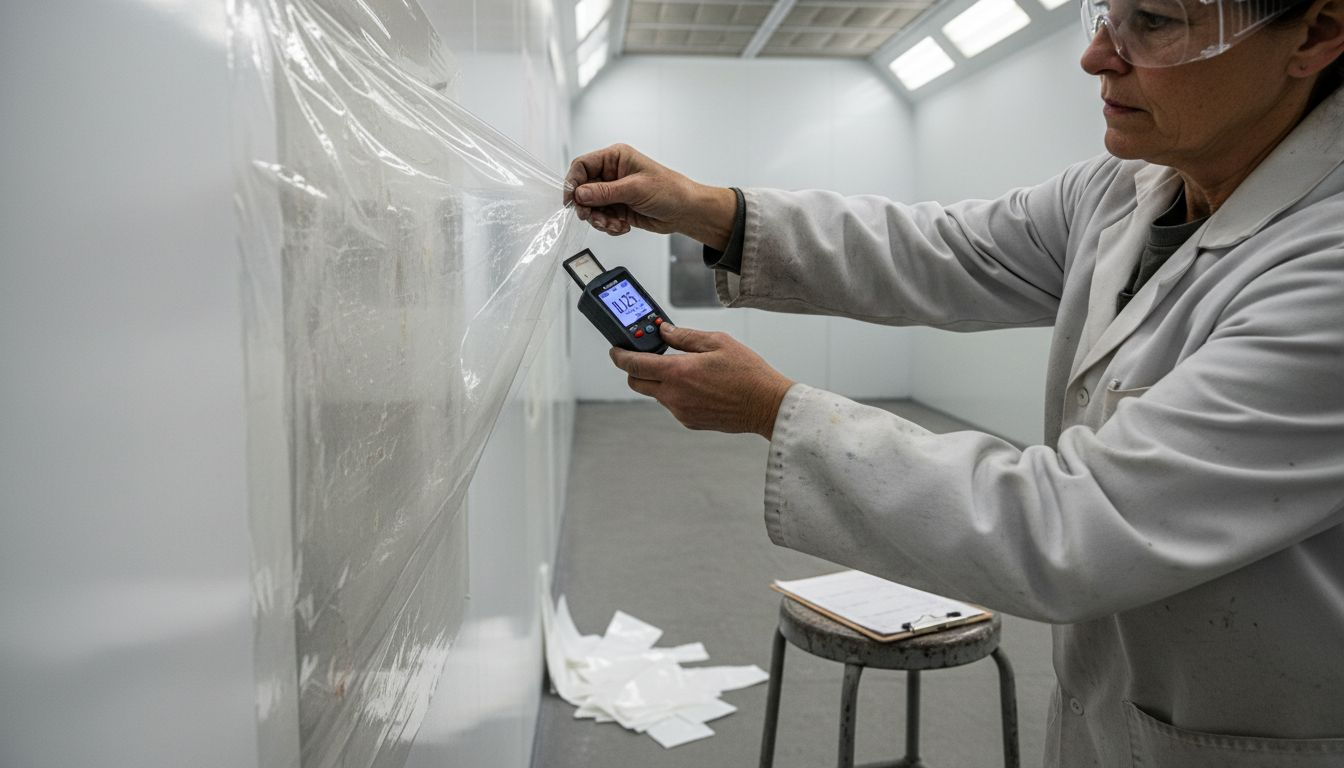
Промышленные специалисты оценивают защитные пленки на основе нескольких ключевых показателей производительности. К ним относятся прочность на адгезию, гладкость поверхности, химическая устойчивость, устойчивость к ультрафиолету и простота удаления. Некоторые специализированные пленки предлагают дополнительные преимущества, такие как сохранение цвета, ударостойкость и защита от коррозии. Самые современные защитные пленки интегрируют множество характеристик характеристик, позволяя им адаптироваться к различным эксплуатационным требованиям, сохраняя при этом стабильные защитные возможности при различных материалах подложки и условиях окружающей среды.
Совет: проводите периодические тесты производительности и визуальные осмотры защитных пленок, чтобы убедиться, что они сохраняют свои защитные свойства, и заранее заменяйте их до возможного ухудшения эффективности.
Процессы установки и распространённые ошибки
Установка защитной пленки в распылительную кабинку требует точности и внимания к критически важным процедурным деталям для обеспечения оптимальной работы и защиты. Профессиональные установщики должны придерживаться системного подхода, который минимизирует возможные ошибки и гарантирует полное покрытие поверхности.
Процесс установки начинается с тщательной подготовки поверхности, что, пожалуй, является самым важным этапом. Это включает тщательную очистку и сушку поверхности для удаления всех загрязнителей, пыли и остаточных частиц. Промышленные специалисты рекомендуют использовать специализированные чистящие средства и тряпки без ворса для получения полностью чистого субстрата. Правильная подготовка поверхности обеспечивает максимальную адгезию пленки и предотвращает образование пузырьков или неравномерное нанесение. Монтажники должны уделять особое внимание текстуре поверхности, обеспечивая полную гладкость и убирая микроскопические дефекты, которые могут навредить работе плёнки.
Распространённые ошибки установки могут значительно повлиять на эффективность защитной пленки. К ним относятся недостаточная очистка поверхности, неправильное натяжение пленки, неправильное выравнивание защитных слоёв и неправильная толщина нанесения. Пузырьки и морщинки — типичные проблемы, возникающие из-за некачественных методов установки. Профессионалы должны использовать специализированные инструменты нанесения, такие как скельки с мягкими краями, систематически работать над поверхностями и поддерживать постоянное давление при нанесении пленки. Температура и влажность также играют критическую роль в успешной установке, при этом оптимальные условия варьируются в зависимости от состава плёнки и экологических требований.
Совет: Всегда проводите небольшое тестовое применение в незаметной зоне для проверки сцепления и совместимости пленки до завершения полного покрытия поверхности.
Сравнение затрат, рисков и альтернатив
Стратегии защиты для распылительных кабин требуют всесторонней оценки экономических и безопасных соображений. Финансовые инвестиции в защитные пленки включают не только материальные затраты, но и расходы на установку, возможные простои и долгосрочные последствия для производительности, которые промышленные менеджеры должны тщательно оценить.
Основные компоненты стоимости включают первоначальную покупку плёнки, профессиональную установку и периодическую замену. Стоимость материалов обычно варьируется от $2 до $15 за квадратный фут в зависимости от сложности плёнки и характеристик производительности. Расходы на установку могут добавить дополнительные 30-50% к стоимости материалов, с учётом труда, подготовки поверхности и специализированных методов нанесения. Хотя эти расходы могут показаться значительными, они представляют собой критически важную инвестицию в поддержание качества краски, снижение риска загрязнения и предотвращение дорогостоящих переделок или случаев отказа от продукции.
Риски, связанные с нанесением защитной пленки, включают возможные ошибки установки, химическую несовместимость и преждевременную деградацию пленки. Сбои с производительностью могут быть вызваны недостаточной подготовкой поверхности, неправильным выбором плёнки или воздействием экстремальных условий. Альтернативные методы контроля загрязнения включают современные системы вентиляции, протоколы чистых комнат и многоразовые компоненты кабин. Однако такие альтернативы часто требуют более масштабных модификаций инфраструктуры и обычно требуют более высоких долгосрочных затрат на обслуживание по сравнению со специализированными защитными пленками. Профессиональные предприятия должны проводить подробный анализ затрат и выгод с учётом их конкретных эксплуатационных требований, экологических условий и объёмов производства.
В таблице ниже приведены типичные затраты и факторы риска для стратегий защитной пленки и их основные альтернативы:
| Решение | Первоначальные затраты | на обслуживание | Основной риск |
|---|---|---|---|
| Защитные пленки | Средне-высокая | Низкий — периодически заменяйте | Ошибки установки |
| Модернизация вентиляции | Высокий | Периодические изменения фильтров | Дорогостоящие потребности в инфраструктуре |
| Протоколы чистой комнаты | Очень высоко | Интенсивный — постоянное обслуживание | Сбои по соблюдению требований пользователей |
| Многоразовые компоненты стенда | Умеренный | Требуется чистка | Повышенный риск загрязнения |
Совет: рассчитайте общую стоимость владения, сравнивая не только первоначальные расходы на пленку, но и возможные сбережения за счёт уменьшения доработки, улучшения качества краски и минимизации риска загрязнения.
Достичь настоящих безпыльных распылительных кабин с проверенными защитными пленками
Сложность поддержания безупречной чистой среды для распылительной кабины очевидна в этой статье «Защитные пленки: обеспечение чистой пыли в распылительных кабинах». Вы сталкиваетесь с рисками загрязнения пылью, плохой адгезией плёнки и трудоёмкой очистки, что угрожает качеству краски и эффективности работы. Ключевые термины, такие как электростатическое рассеивающее теплосопротивление и установка без пузырьков подчёркивают необходимость современных решений, обеспечивающих надёжную и надежную защиту без усложнения рабочего процесса.
В Dust Free Film мы специализируемся на решении именно этих проблем. Наши многослойные электростатические защитные пленки разработаны для быстрого применения с помощью запатентованной системы дозаторов, которая обеспечивает быструю установку без пузырьков и полное покрытие поверхности. Разработанные для выдерживания тепла и предотвращения притягивания пыли, наши пленки сокращают простои и повышают качество покрытия в интенсивных ремонтных и промышленных покрасках. Узнайте, как наши европейские продукты поддерживают условия с высоким трафиком с индивидуальными конфигурациями и оптовыми вариантами, адаптированными под ваши нужды.
Готовы обновить защиту вашей распылительной кабины и устранить риски пыли уже сейчас

Ознакомьтесь с полным ассортиментом премиальных решений в Dust Free Film и узнайте, насколько просто поддерживать контролируемое рабочее пространство без пыли. Не ждите, пока загрязнение приведёт к дорогостоящей переработке, выбирайте инновации, которые работают так же утяжелительно, как и вы. Посетите Dust Free Film сегодня, чтобы узнать больше и взять под контроль атмосферу своей распылительной кабины.
Часто задаваемые вопросы
Что такое защитные пленки для распылительных кабин?
Защитные пленки — это передовые решения для защиты поверхностей, предназначенные для защиты сред распылительных кабин от пыли, мусора и загрязнений во время покраски и реставрации.
Какие виды защитных пленок доступны для использования в распылительных кабинах?
Распространённые типы защитных пленок включают термопластичные уретановые пленки, эпоксидные покрытия, полиуретановые пленки и грунты, богатые цинком. Каждый тип обладает уникальными характеристиками производительности, адаптированными для конкретных применений.
Как обеспечить правильную установку защитных пленок в распылительной кабине?
Обеспечить тщательную подготовку поверхности, полностью очистив и высушив поверхности. Используйте специальные инструменты для равномерного нанесения пленки, поддерживая стабильные условия давления и температуры во время установки.
Каковы затраты при использовании защитных пленок в промышленной живописи?
Стоимость материалов для защитных пленок обычно составляет от $2 до $15 за квадратный фут, при этом расходы на установку могут добавить на 30-50% к общим расходам. Важно оценить долгосрочную экономию за счёт улучшения качества краски и снижения риска загрязнения.