
Most American spray booth managers lose up to 20 percent of production time battling dust contamination during automotive refinishing. In large-scale painting operations, even microscopic dust can ruin finish quality and cause costly rework. Understanding the latest spray booth wall protector technologies helps you create cleaner, high-performance environments that minimize downtime and deliver consistently flawless results on every project.
Table of Contents
- Defining Spray Booth Wall Protectors
- Types of Wall Protectors for Spray Booths
- How Wall Protectors Work in Practice
- Key Features and Performance Benefits
- Cost, Risks, and Common Mistakes
- Comparing Wall Protectors With Alternatives
Key Takeaways
| Point | Details |
|---|---|
| Efficiency and Maintenance | Spray booth wall protectors reduce cleanup time and enhance operational efficiency by capturing contaminants before they affect the painting process. |
| Technology Selection | Choosing the right type of wall protector is critical; consider factors like heat resistance and surface compatibility for optimal performance. |
| Cost-Benefit Analysis | Evaluate the long-term operational costs of different protection methods against their initial price to ensure a sound investment. |
| Training and Preparation | Proper staff training and surface preparation are essential to maximize the effectiveness of wall protectors and minimize contamination risks. |
Defining Spray Booth Wall Protectors
Spray booth wall protectors represent a critical technological solution for maintaining pristine painting environments in industrial and automotive refinishing settings. These specialized protective films are engineered to capture dust, paint overspray, and contaminants, creating a controlled atmosphere that ensures superior finish quality. Protective wall systems serve as a crucial barrier between painting surfaces and potential environmental disruptions.
At their core, spray booth wall protectors are multi-layered adhesive films designed to be strategically applied to booth walls, floors, and surfaces. The primary function of these protective layers is to prevent particulate contamination during painting processes. Manufactured with advanced self-adhesive technologies, these films can be systematically peeled away as they accumulate paint residue, allowing painters to maintain a consistently clean workspace without extensive manual cleaning. Peelable protective coatings dramatically simplify maintenance and contribute to more efficient painting operations.
The key characteristics of high-performance spray booth wall protectors include:
- Multiple removable layers for continuous protection
- Self-adhesive properties that enable easy application
- Heat-resistant materials compatible with industrial painting environments
- Ability to capture microscopic dust particles and paint overspray
- Improved thermal insulation for spray booth interiors
Pro tip: When selecting a spray booth wall protector, prioritize films with consistent adhesive quality and multiple removable layers to maximize long-term protection and operational efficiency.
Types of Wall Protectors for Spray Booths
Spray booth wall protectors come in several sophisticated variants, each designed to address specific industrial painting environmental challenges. The primary categories include multi-layer adhesive films, disposable protective sheets, and specialized coating systems. These protective solutions are engineered to manage dust, overspray, and potential contamination in high-precision painting environments.
The first category, multi-layer adhesive films, represents the most advanced wall protection technology. These films feature strategically designed layers that can be systematically peeled away as they accumulate paint residue. They typically consist of high-performance polymers with exceptional dust-trapping capabilities and heat-resistant properties. Surface protection technologies enable painters to maintain pristine working conditions without extensive manual cleaning, significantly reducing downtime and maintaining consistent paint quality.
Different types of wall protectors offer unique advantages for specific industrial applications:
- Disposable Protective Sheets: Ideal for short-term projects
- Permanent Coated Surfaces: Best for long-term, high-volume painting operations
- Electrostatic Resistant Films: Recommended for sensitive electronic painting environments
- Temperature-Adaptive Protective Layers: Suitable for extreme industrial conditions
Another critical classification involves the material composition and application method. Some wall protectors use silicone-based adhesives, while others employ acrylic polymer technologies. The selection depends on specific environmental requirements, painting frequency, and the types of surfaces being protected.
Here’s a structured comparison of spray booth wall protector types and their most suitable industrial uses:
| Protector Type | Ideal Application Scenario | Main Benefit |
|---|---|---|
| Multi-layer Adhesive Films | High-volume automotive painting | Fast changeover, long duration |
| Disposable Protective Sheets | Temporary or small-batch projects | Quick installation, cost control |
| Permanent Coated Surfaces | Large industrial facilities | Minimal replacement, durability |
| Electrostatic Resistant Films | Electronics manufacturing | Prevents static-induced defects |
| Temperature-Adaptive Layers | Extreme temperature environments | Maintains protection in heat |
Pro tip: Select wall protectors that match your specific industrial painting environment, considering factors like temperature range, surface complexity, and anticipated paint volume.
How Wall Protectors Work in Practice
In industrial painting environments, wall protectors function as sophisticated defense mechanisms against contamination, employing advanced engineering principles to maintain pristine painting conditions. Surface protection technologies create a comprehensive barrier that intercepts dust particles, paint overspray, and potential environmental contaminants before they can compromise the painting process.
The practical application of wall protectors involves a strategic multilayered approach. When a painter begins working, the topmost protective layer acts as an immediate sacrificial surface, capturing microscopic particles and paint residue. As this layer becomes saturated, it can be systematically peeled away, revealing a fresh, clean layer underneath. This method allows for continuous protection without interrupting the painting workflow, dramatically reducing cleanup time and maintaining consistent environmental quality.
The operational mechanics of wall protectors involve several critical mechanisms:
- Electrostatic Particle Trapping: Captures microscopic dust particles
- Adhesive Layering: Enables systematic removal of contaminated surfaces
- Heat Resistance: Maintains structural integrity under painting conditions
- Surface Tension Optimization: Prevents paint droplet penetration
- Thermal Insulation: Helps maintain consistent booth temperature
Different industrial scenarios require tailored wall protection strategies. Automotive refinishing might demand high-temperature resistant films, while electronics painting could necessitate electrostatic dissipative protective layers. The selection process involves carefully matching the wall protector’s technical specifications with the specific environmental and operational requirements of the painting process.
Pro tip: Conduct a comprehensive environmental assessment of your painting workspace before selecting a wall protector to ensure optimal performance and protection.
Key Features and Performance Benefits
Spray booth wall protectors deliver comprehensive performance advantages that transform industrial painting environments, offering far more than simple surface coverage. Surface protection technologies represent a critical investment in operational efficiency, quality control, and workplace safety, providing multifaceted benefits that extend well beyond basic dust management.
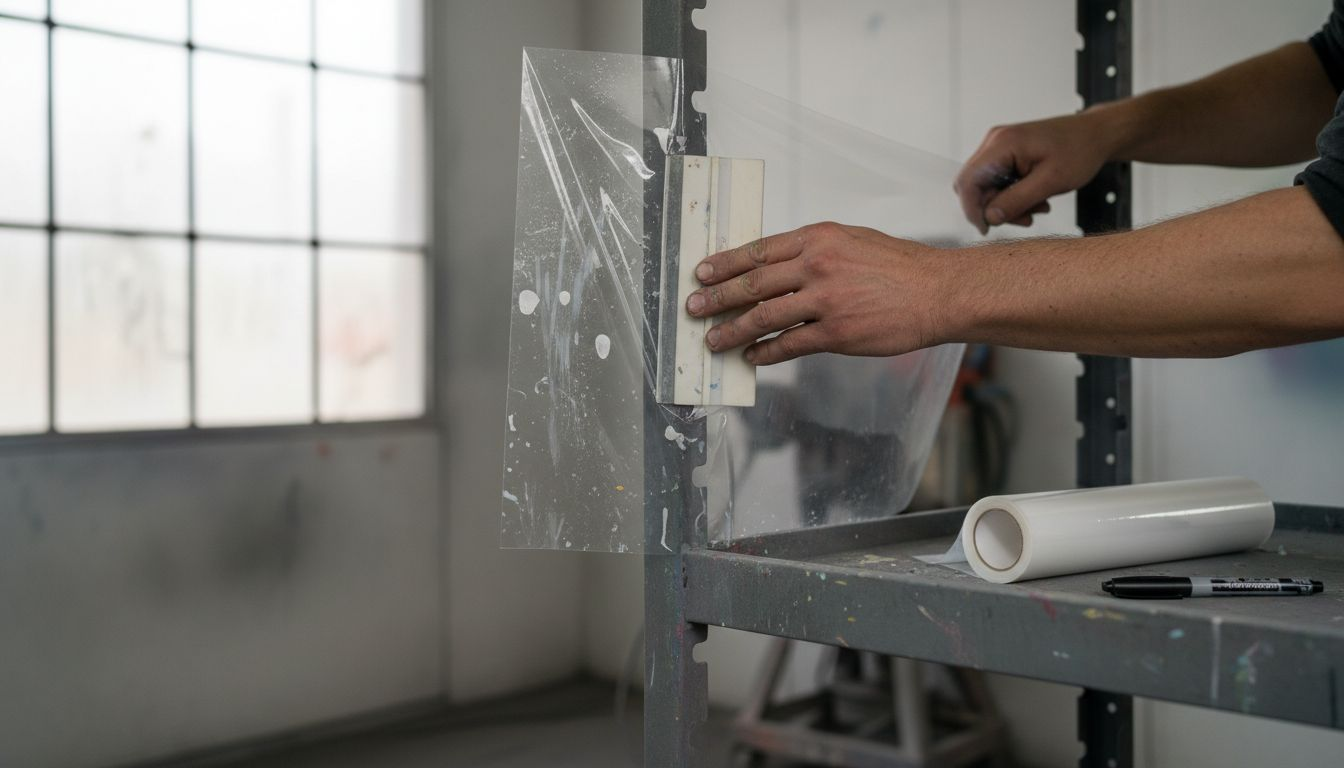
The key performance benefits encompass several critical operational domains. These protective systems dramatically reduce contamination risks, minimize paint rework, and create a controlled painting environment that ensures consistent, high-quality finishes. Advanced wall protectors actively manage environmental variables by capturing microscopic particles, preventing cross-contamination, and maintaining precise thermal and electrostatic conditions essential for superior paint application.
Critical performance features include:
- Particulate Filtration: Captures particles as small as 0.5 microns
- Thermal Stability: Withstands temperatures up to 250 degrees Fahrenheit
- Electrostatic Dissipation: Prevents static charge buildup
- Multi-Layer Protection: Enables systematic contamination management
- Rapid Installation: Minimizes downtime during application
Beyond technical specifications, wall protectors represent a strategic approach to quality management. Industrial painting operations gain substantial economic advantages through reduced material waste, improved finish consistency, and decreased equipment maintenance requirements. The technology transforms spray booth environments from potential contamination zones into precision engineering spaces designed for optimal performance.
Pro tip: Evaluate wall protector performance not just by initial cost, but by calculating total operational savings through reduced rework and improved paint finish quality.
Cost, Risks, and Common Mistakes
Navigating the complex landscape of spray booth wall protector implementation requires a strategic approach to managing financial investments and potential operational risks. Spray booth protection strategies demand careful consideration of multiple economic and performance factors that can significantly impact overall painting operation efficiency.
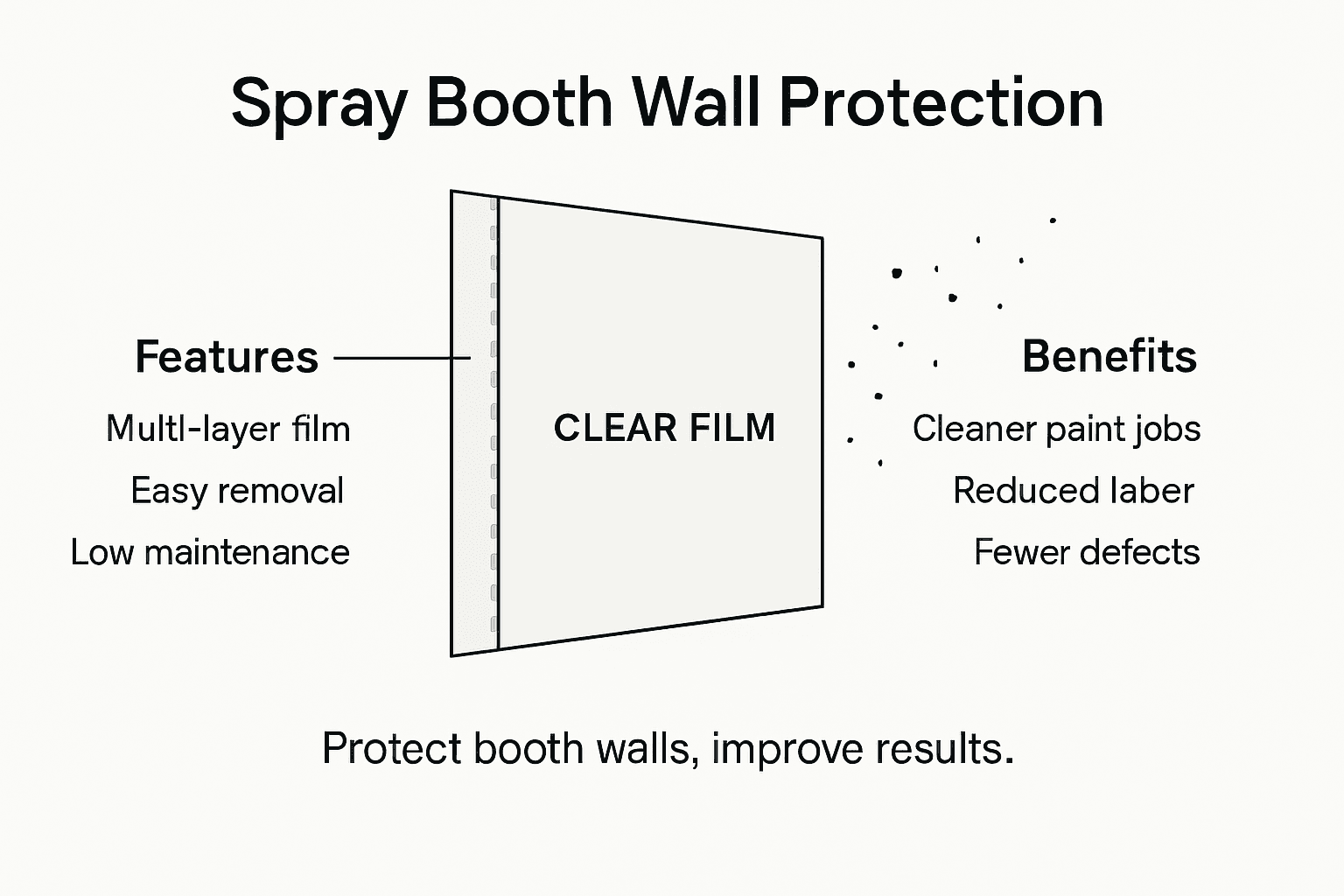
Financial risks in wall protector selection extend beyond initial purchase price, encompassing long-term operational expenses, potential rework costs, and productivity implications. Industrial painting managers must evaluate total cost of ownership, including material durability, replacement frequency, and potential productivity gains. Unexpected expenses often arise from improper material selection, inadequate surface preparation, or delayed maintenance protocols that compromise protection performance.
Common mistakes in wall protector implementation include:
- Insufficient Surface Preparation: Compromises adhesion and protection effectiveness
- Delayed Layer Replacement: Allows contamination buildup
- Incompatible Material Selection: Risks damaging booth surfaces
- Inadequate Staff Training: Reduces installation and maintenance quality
- Overlooking Environmental Specifications: Leads to premature material failure
Risk mitigation requires a comprehensive approach that combines careful material selection, robust training programs, and systematic maintenance schedules. Successful implementation involves understanding specific industrial painting environment requirements, conducting thorough performance assessments, and developing flexible protection strategies that adapt to changing operational conditions.
Pro tip: Develop a comprehensive cost-benefit analysis that includes not just material expenses, but potential savings from reduced paint rework and improved finish quality.
Comparing Wall Protectors With Alternatives
Industrial painting operations require sophisticated surface protection strategies that balance efficiency, cost, and performance. Spray booth protection strategies reveal multiple approaches to maintaining clean painting environments, each with distinct advantages and limitations that demand careful evaluation by painting managers and facility engineers.
Traditional alternatives to multi-layer wall protectors include manual cleaning methods, spray-on liquid coatings, and temporary masking techniques. These conventional approaches differ significantly in operational complexity, cost-effectiveness, and long-term maintenance requirements. Spray-on liquid coatings, while providing surface coverage, often require extensive preparation, solvent applications, and extended drying times that can substantially interrupt production workflows.
Key comparison points between wall protectors and alternative methods include:
- Installation Speed: Multi-layer films offer faster deployment
- Maintenance Requirements: Minimal compared to manual cleaning
- Cost Efficiency: Lower long-term operational expenses
- Environmental Impact: Reduced chemical usage and waste generation
- Surface Protection Quality: More consistent and comprehensive coverage
The selection between wall protectors and alternative methods depends on specific industrial painting environments. Factors such as surface complexity, painting frequency, environmental regulations, and budget constraints play crucial roles in determining the most appropriate protection strategy. Advanced multi-layer wall protectors typically provide superior performance by offering systematic contamination management, quick layer replacement, and minimal operational disruption.
Compare total cost and risk considerations for wall protectors versus alternatives:
| Protection Method | Upfront Cost | Long-term Cost Impact | Risk of Contamination |
|---|---|---|---|
| Multi-layer Wall Films | Medium | Lower, due to easy upkeep | Minimal |
| Spray-on Liquid Coatings | Low | Higher, due to rework | Moderate |
| Manual Cleaning | High (labor) | Highest, repetitive work | High |
| Temporary Masking Sheets | Low | Medium, frequent changes | Moderate |
Pro tip: Conduct a comprehensive comparative analysis that evaluates total cost of ownership, not just initial installation expenses, when selecting surface protection technologies.
Enhance Your Spray Booth Protection for Dust-Free Painting Success
The challenge of maintaining a dust-free painting environment is critical for achieving flawless finishes and operational efficiency as outlined in the article. Common issues include contamination buildup, costly rework, and downtime caused by inadequate wall protection. By employing multi-layer adhesive films that combine heat resistance, electrostatic particle trapping, and easy peel-away layers, you can protect your spray booth surfaces from dust, overspray, and environmental contamination effectively. These concepts closely align with industry-leading solutions designed specifically for high-traffic industrial painting settings.
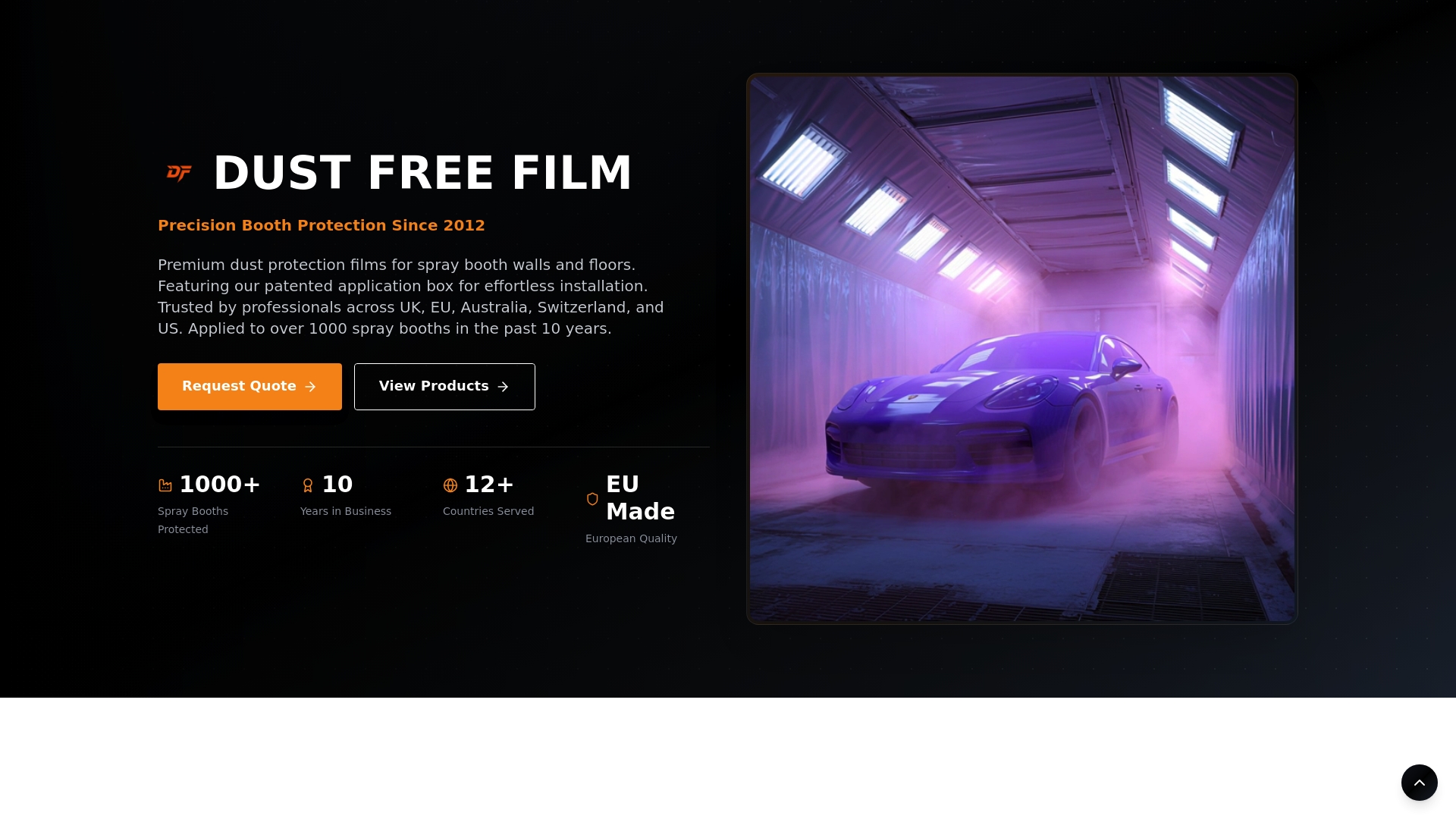
At Dust Free Film we specialize in premium multi-layer booth wall and floor protectors that address these exact pain points. Our patented dispenser system ensures a bubble-free, fast installation reducing downtime and labor. The films are engineered to maintain adhesive performance while being static-free and durable, supporting seamless color changes and improved paint quality. Learn more about how our advanced surface protection technologies stand ready to elevate your spray booth standards.
Considering the complexity of your refinishing or industrial painting operation, it is essential to partner with a reliable provider offering customizable options and trusted European manufacturing quality. Visit Dust Free Film today to explore our range of innovative spray booth wall protectors and take the first step toward a consistently dust-free painting environment with proven operational savings.
Frequently Asked Questions
What are spray booth wall protectors?
Spray booth wall protectors are specialized multi-layered adhesive films designed to capture dust, paint overspray, and contaminants in industrial and automotive painting environments, ensuring a clean workspace that promotes high-quality finishes.
How do spray booth wall protectors work?
These wall protectors work by providing a sacrificial surface that traps microscopic particles and paint residue. When a layer becomes saturated, it can be peeled away, revealing a fresh layer beneath, thus maintaining continuous cleanliness in the booth without disrupting the painting process.
What are the different types of wall protectors available?
There are several types of wall protectors, including multi-layer adhesive films, disposable protective sheets, permanent coated surfaces, electrostatic resistant films, and temperature-adaptive layers. Each type offers unique advantages based on specific painting applications and environmental conditions.
What benefits do spray booth wall protectors offer over traditional cleaning methods?
Spray booth wall protectors provide a more efficient approach to maintaining clean painting environments by reducing the need for manual cleaning, minimizing contamination risks, and maintaining consistent painting quality compared to traditional methods like spray-on coatings or manual cleaning.