
Over 60 percent of European auto shops report measurable improvements in paint quality after upgrading spray booth protection systems with American-designed technologies. Dust and overspray are persistent threats that can compromise finishes and cost thousands in rework each year. Discover how innovative protection solutions are setting new standards for operational efficiency and helping managers achieve cleaner, safer environments that meet tomorrow’s industrial demands.
Table of Contents
- Defining Spray Booth Protection Systems
- Innovative Protective Films And Materials
- Automation And Smart Monitoring Solutions
- Regulatory Standards And Environmental Impacts
- Cost Considerations And ROI For Auto Shops
Key Takeaways
| Point | Details |
|---|---|
| Spray Booth Protection Systems are Essential | These systems contain overspray and control hazardous emissions, ensuring safe and efficient painting operations. |
| Innovative Materials Enhance Performance | Advanced protective films and coatings improve surface protection and reduce cleaning time, crucial for modern manufacturing. |
| Automation Improves Efficiency | Smart monitoring and automation optimize painting processes, reducing waste and enhancing coating quality through real-time data analysis. |
| Regulatory Compliance is Critical | Adhering to stringent safety and environmental regulations is essential for operation and can be achieved through comprehensive monitoring and advanced technologies. |
Defining Spray Booth Protection Systems
Spray booth protection systems represent sophisticated engineering solutions designed to manage complex industrial painting environments. These specialized structures serve multiple critical functions: containing overspray, controlling hazardous vapor emissions, and establishing safe operational parameters for painting processes. Comprehensive protection systems integrate advanced technologies to mitigate potential risks associated with industrial painting operations.
At their core, these systems function as controlled environments that manage airflow, capture particulate matter, and minimize potential safety hazards. Spray booth protection encompasses several key design elements, including fire suppression mechanisms, ventilation infrastructure, and specialized filtration technologies. These systems are engineered to comply with stringent industrial safety regulations, ensuring that painting processes can be conducted with maximum efficiency and minimal environmental contamination.
Modern spray booth protection systems typically feature multiple layers of safety and operational optimization. Key components include:
- Advanced filtration networks that capture microscopic paint particles
- Integrated fire detection and suppression mechanisms
- Precise airflow management systems
- Electrical and static discharge prevention technologies
- Modular design allowing customization for specific industrial requirements
Pro tip: Conduct quarterly comprehensive system audits to ensure your spray booth protection infrastructure maintains peak performance and regulatory compliance.
Here’s a summary of how different spray booth protection solutions serve various industry sectors:
| Industry Sector | Typical Requirements | Recommended Protection Solutions |
|---|---|---|
| Automotive | High finish quality | Modular booths, advanced filtration |
| Aerospace | Strict emissions limits | Smart sensors, thermal-resistant barriers |
| Manufacturing | Flexible configurations | Custom films, multi-layered ventilation |
| Woodworking | Dust management | HEPA filtration, static discharge control |
Innovative Protective Films and Materials
The landscape of spray booth protection is rapidly evolving, with cutting-edge protective films and materials transforming industrial painting processes. Advanced polymer technologies are revolutionizing how manufacturing environments manage overspray, contamination, and surface protection. Specifically, polyethylene and polyurethane-based films have emerged as game-changing solutions that dramatically reduce cleaning time and operational downtime.
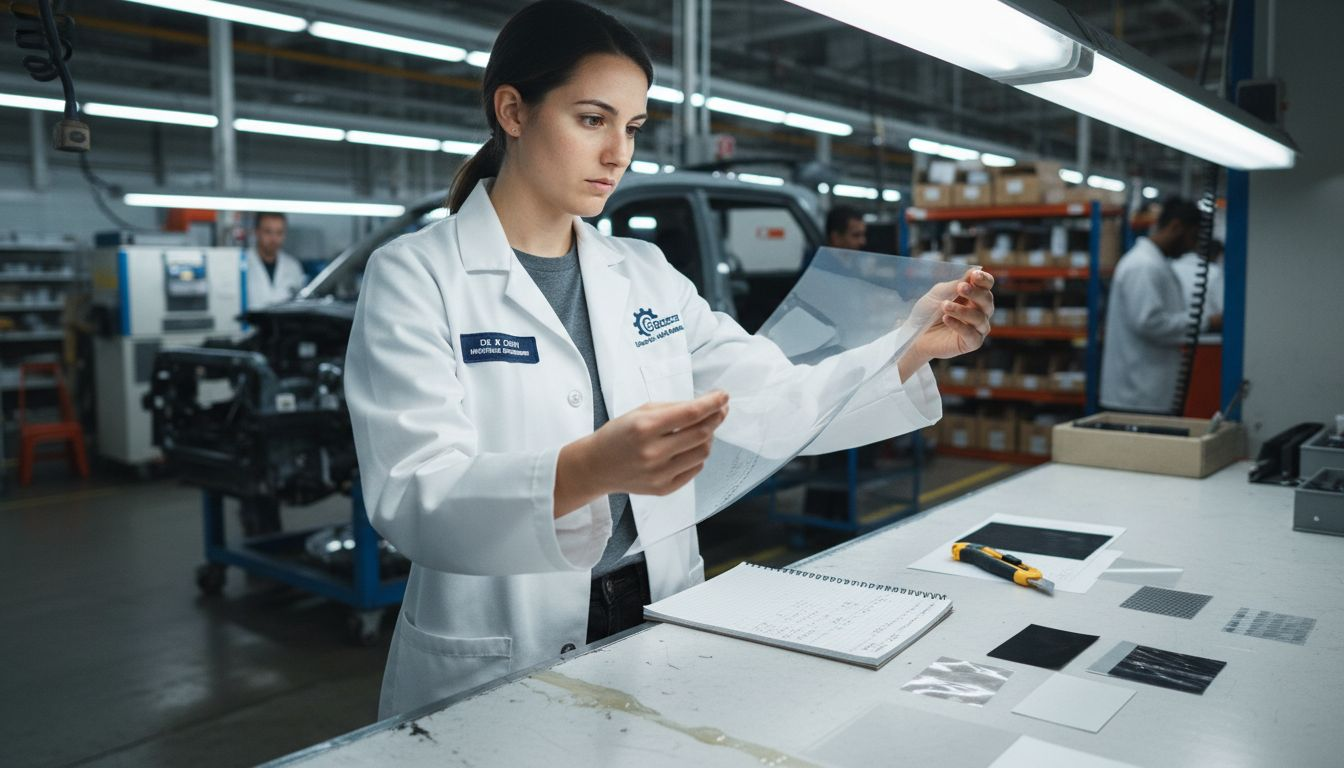
Modern protective materials now feature sophisticated engineering capabilities that extend far beyond traditional barrier functions. Thermal spray deposition techniques have introduced novel coatings with remarkable performance characteristics. These innovative materials offer enhanced resistance against heat, chemical exposure, and mechanical stress, providing customizable protection tailored to specific industrial requirements. Manufacturers can now select protective films with precise mechanical and thermal properties that optimize performance in automotive, aerospace, and manufacturing environments.
Key advancements in protective film technologies include:
- Multi-layered polymer compositions with superior chemical resistance
- Electrostatic discharge prevention capabilities
- Customizable thermal tolerance ranges
- Quick-release adhesive systems minimizing surface residue
- Enhanced durability with reduced environmental impact
Pro tip: Conduct comprehensive material compatibility testing before implementing new protective films to ensure optimal performance and longevity in your specific industrial application.
Automation and Smart Monitoring Solutions
The future of spray booth technology is being redefined by intelligent automation systems that transform traditional painting processes. Machine learning integration represents a groundbreaking approach to industrial spraying, enabling unprecedented precision and efficiency. These advanced systems leverage sophisticated sensor technologies to create adaptive environments that continuously optimize coating performance, material usage, and environmental sustainability.
Smart monitoring solutions are revolutionizing spray booth operations by providing real-time data analysis and dynamic process control. By implementing sensor fusion techniques, manufacturers can now capture comprehensive environmental and equipment performance metrics instantly. This technological leap allows for instantaneous adjustments that minimize material waste, reduce human error, and consistently maintain superior coating quality across complex industrial applications.
Key features of automated spray booth monitoring systems include:
- Artificial intelligence-powered parameter optimization
- Advanced sensor networks for continuous environmental tracking
- Real-time chemical usage and emission monitoring
- Predictive maintenance algorithms
- Automatic calibration and performance adjustment mechanisms
- Integration with enterprise resource planning systems
Pro tip: Develop a comprehensive training program for technicians to effectively interpret and leverage automated monitoring data, ensuring maximum system performance and operational insights.
Regulatory Standards and Environmental Impacts
Spray booth operations are increasingly governed by complex regulatory frameworks designed to protect worker safety and environmental sustainability. Federal regulations like OSHA’s 29 CFR 1926.66 establish comprehensive guidelines that mandate stringent safety protocols for industrial painting environments. These standards encompass critical requirements for ventilation systems, fire prevention mechanisms, and explosive atmosphere controls, ensuring comprehensive protection for workers and surrounding ecosystems.
Environmental compliance has become a pivotal consideration for modern spray booth operations. Regulatory bodies including NFPA, OSHA, and EPA collaborate to enforce strict standards that address volatile organic compound (VOC) emissions, chemical exposure limits, and sustainable waste management practices. Manufacturers must now integrate advanced filtration technologies, implement precise ventilation strategies, and develop comprehensive monitoring systems to meet increasingly rigorous environmental protection requirements.
Key regulatory compliance elements for spray booth operations include:
- Mandatory ventilation rate specifications
- Precise air filtration efficiency standards
- Chemical exposure limit controls
- Comprehensive fire suppression system requirements
- VOC emission reduction protocols
- Safe overspray material disposal procedures
- Regular equipment inspection and documentation
- Worker safety training and certification mandates
Pro tip: Develop a comprehensive compliance tracking system that integrates real-time monitoring, automated documentation, and proactive regulatory update mechanisms to ensure consistent adherence to evolving environmental standards.
Cost Considerations and ROI for Auto Shops
Auto shop owners face increasingly complex financial decisions when investing in modern spray booth technologies. Capital investment in advanced spray booth systems requires a comprehensive understanding of both immediate expenses and long-term economic benefits. Strategic investments can transform operational efficiency, reducing material waste, minimizing labor costs, and dramatically improving overall coating quality.
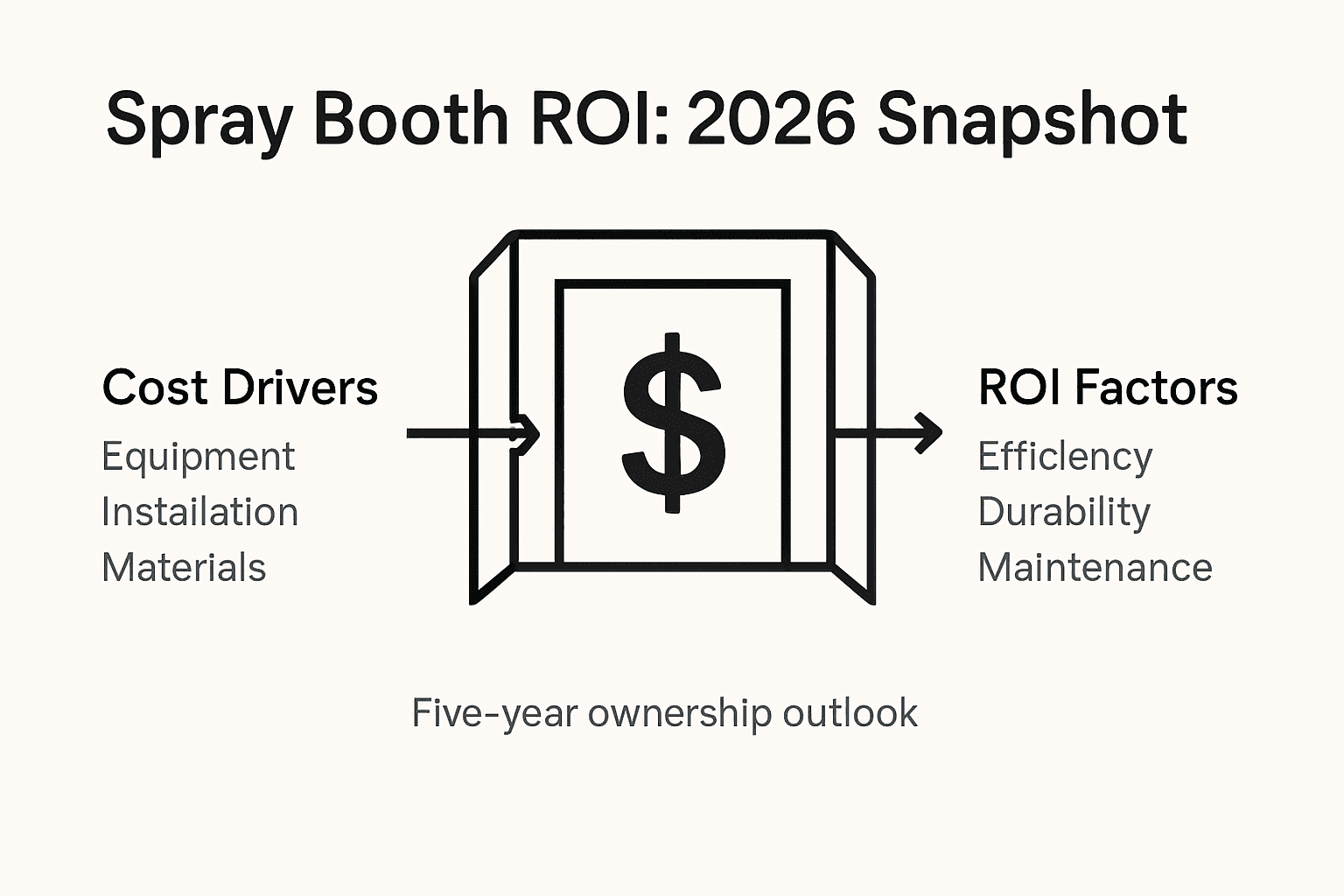
The financial evaluation of spray booth technologies extends beyond initial purchase prices, encompassing multiple critical performance metrics. Sophisticated systems that integrate automation, smart monitoring, and advanced protective films may demonstrate higher upfront costs but can generate substantial returns through reduced rework, faster processing times, and enhanced paint finish consistency. Successful auto shops recognize that investing in high-quality equipment translates directly into improved customer satisfaction and increased operational profitability.
Key financial considerations for spray booth investments include:
- Initial equipment procurement costs
- Installation and infrastructure modification expenses
- Ongoing maintenance and consumable material requirements
- Energy efficiency and utility consumption metrics
- Labor productivity improvements
- Reduction in material waste percentages
- Potential insurance premium adjustments
- Compliance-related cost avoidance
- Quality improvement impact on customer retention
Pro tip: Develop a comprehensive five-year total cost of ownership model that accounts for equipment depreciation, maintenance expenses, productivity gains, and potential efficiency improvements to make informed investment decisions.
Compare key cost drivers and long-term ROI factors for spray booth investments:
| Cost Driver | Initial Impact | Long-Term ROI Influence |
|---|---|---|
| Equipment Price | High upfront expense | Greater durability saves money |
| Maintenance Frequency | Ongoing expense | Prevents costly breakdowns |
| Energy Efficiency | Installation cost | Lowers utility bills over years |
| Staff Training | Short-term training | Reduces costly errors and waste |
Elevate Your Spray Booth Protection with Advanced Dust Control Solutions
The article highlights the increasing complexity of spray booth protection systems focusing on challenges like dust contamination, static discharge, and the need for reliable protective films that withstand heat and mechanical stress. For auto body shops and industrial painters aiming to achieve flawless, high-quality finishes while complying with stringent environmental and safety standards, managing dust and overspray remains a critical goal. Concepts such as multi-layer filtration, electrostatic discharge prevention, and quick, bubble-free application methods are key to optimizing spray booth performance and reducing costly rework.
Dust Free Film specializes in addressing these exact pain points by offering premium dust protection films designed to create dust-free spray booth environments. Our patented multi-layer electrostatic booth wall and floor protectors provide durable, heat-resistant, static-free surfaces that meet the demands of high-traffic industrial settings and modern automation needs. By combining cutting-edge material science with user-friendly installation systems, Dust Free Film helps you maintain superior coating quality and operational efficiency.
Discover how our innovative solutions can transform your spray booth protection strategy now.
Optimize your spray booth with proven dust control technology
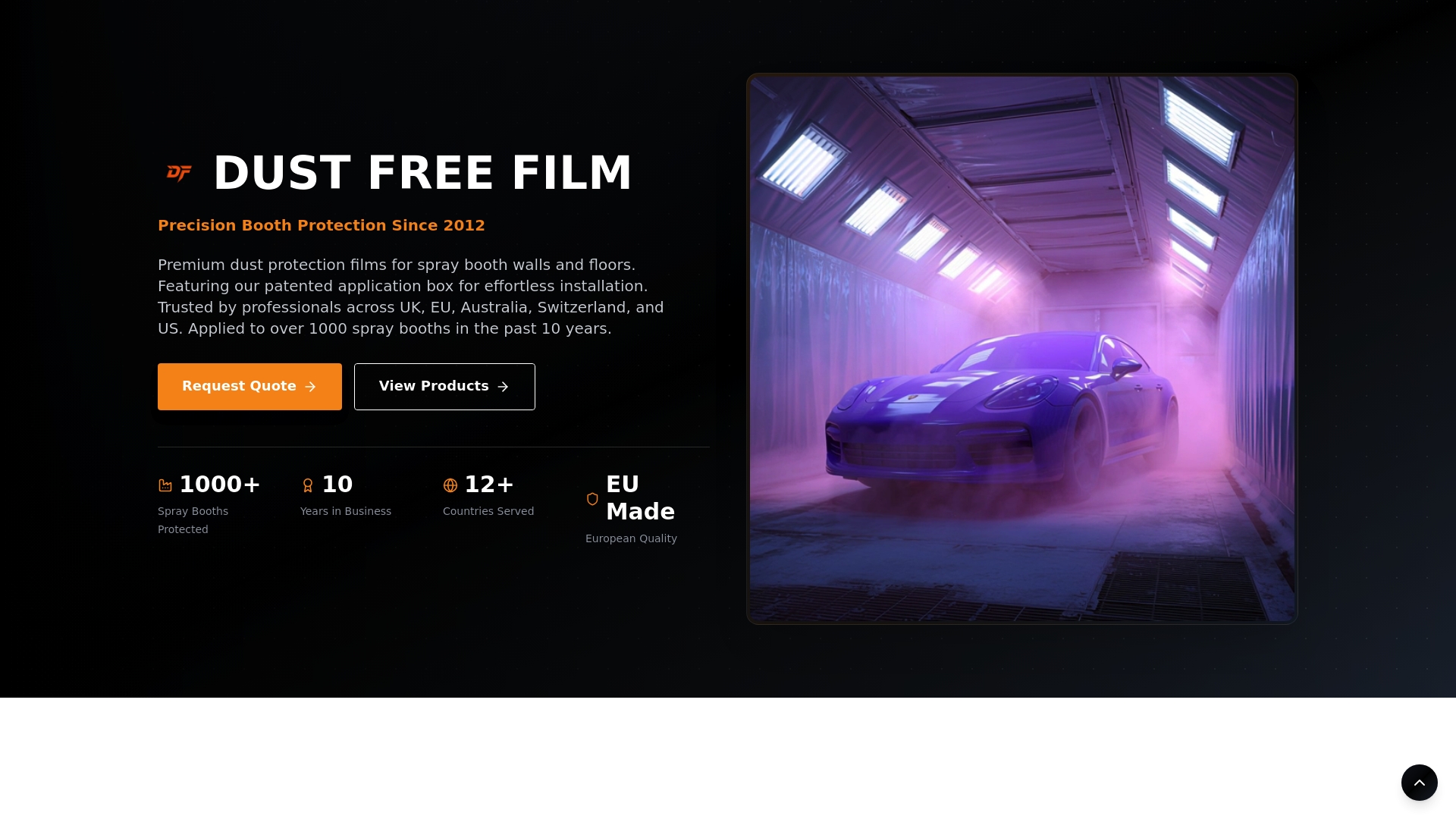
Visit Dust Free Film today to explore premium protective films engineered for automotive refinishing and industrial painting. Learn more about our patented application systems and durable materials that help you meet regulatory standards and increase ROI. Take action now to safeguard your operation and deliver impeccable finishes every time.
Frequently Asked Questions
What are the main components of a spray booth protection system?
A spray booth protection system typically includes advanced filtration networks, integrated fire detection and suppression mechanisms, precise airflow management systems, and electrical/static discharge prevention technologies.
How do modern protective films enhance spray booth operations?
Modern protective films, such as those made from polyethylene and polyurethane, provide significant reductions in cleaning time and operational downtime while offering enhanced resistance to heat and chemicals, making them ideal for various industrial applications.
What role does automation play in spray booth technology?
Automation in spray booth technology involves using intelligent systems that leverage machine learning to optimize coating performance and material usage, resulting in improved efficiency and reduced waste during the painting process.
How do regulatory standards impact spray booth operations?
Regulatory standards govern the safety and environmental compliance of spray booth operations, requiring adherence to guidelines regarding ventilation, fire prevention, VOC emissions, and chemical exposure limits to ensure worker safety and minimize environmental impact.