
Many believe all protective films perform similarly, but choosing the wrong type leads to costly dust contamination that ruins paint finishes. Bulk protective films specialized for industrial use can reduce dust by over 60%, saving thousands in rework costs. This guide explains what bulk protective films are, their features, and how to select the best option for your facility.
Table of Contents
- Introduction To Bulk Protective Films
- Technical Features And Benefits Of Bulk Protective Films
- How Bulk Films Control Dust And Prevent Contamination
- Common Misconceptions About Bulk Protective Films
- Installation Systems And Usability Enhancements
- Bulk Purchasing Advantages And Practical Selection Criteria
- Real-World Applications And Case Studies
- Summary And Practical Recommendations
- Explore Our Bulk Protective Film Solutions
- Frequently Asked Questions
Key Takeaways
| Point | Details |
|---|---|
| Dust Prevention | Bulk protective films prevent dust contamination effectively in automotive and industrial spray painting environments. |
| Multi-Layer Technology | Multi-layer electrostatic films offer superior static dissipation and durability compared to single-layer alternatives. |
| Installation Efficiency | Patented dispenser systems can reduce installation time by 50% and minimize bubble defects. |
| Cost Savings | Bulk purchasing reduces costs by 15 to 25% and allows customization for specific facility needs. |
| Quality Standards | Selecting films compliant with European standards ensures quality and sustainability. |
Introduction to Bulk Protective Films
Bulk protective film refers to industrial-grade protective sheeting manufactured, sized, and packaged for large-scale applications. These films protect surfaces in automotive repair shops and industrial spray painting facilities where dust control directly impacts paint finish quality. Unlike consumer-grade plastic sheeting, bulk protective films feature specialized properties engineered for high-traffic industrial environments.
These films prevent dust particles from contaminating painted surfaces during curing and between paint cycles. The cost of a single dust-contaminated paint job can exceed several hundred dollars in rework, making proper protection essential. Boosting efficiency in spray booths requires materials designed specifically for this purpose.
Key applications include:
- Spray booth wall and floor coverage in automotive refinishing
- Industrial painting facility surface protection
- Equipment and work surface shielding during coating operations
- Temporary barriers during paint curing cycles
The purpose of protective floor films extends beyond simple surface coverage. These materials must withstand foot traffic, equipment movement, and chemical exposure while maintaining their dust control properties. Understanding paint protection film explained helps differentiate industrial applications from automotive surface protection.
Bulk formats offer advantages over retail-sized products. You receive consistent material properties across large orders, negotiate better pricing, and customize specifications to match your facility’s exact requirements. The benefits of removable protective films include easy installation and clean removal after paint cycles complete.
Technical Features and Benefits of Bulk Protective Films
Multi-layer construction forms the foundation of effective bulk protective films. These films stack multiple polymer layers, each serving specific functions like static dissipation, structural strength, and surface adhesion. The layered approach delivers durability that single-layer films cannot match.
Electrostatic properties matter most for dust control. Static-free films prevent dust particles from being attracted to the surface through electrical charge. Multi-layer protective film benefits include this critical charge dissipation that keeps surfaces cleaner throughout paint operations.
Heat resistance specifications determine whether films survive curing processes. Quality bulk films withstand temperatures up to 85°C without melting, shrinking, or releasing contaminants. This tolerance allows films to remain in place during paint curing, eliminating the need for removal and reinstallation between coats.
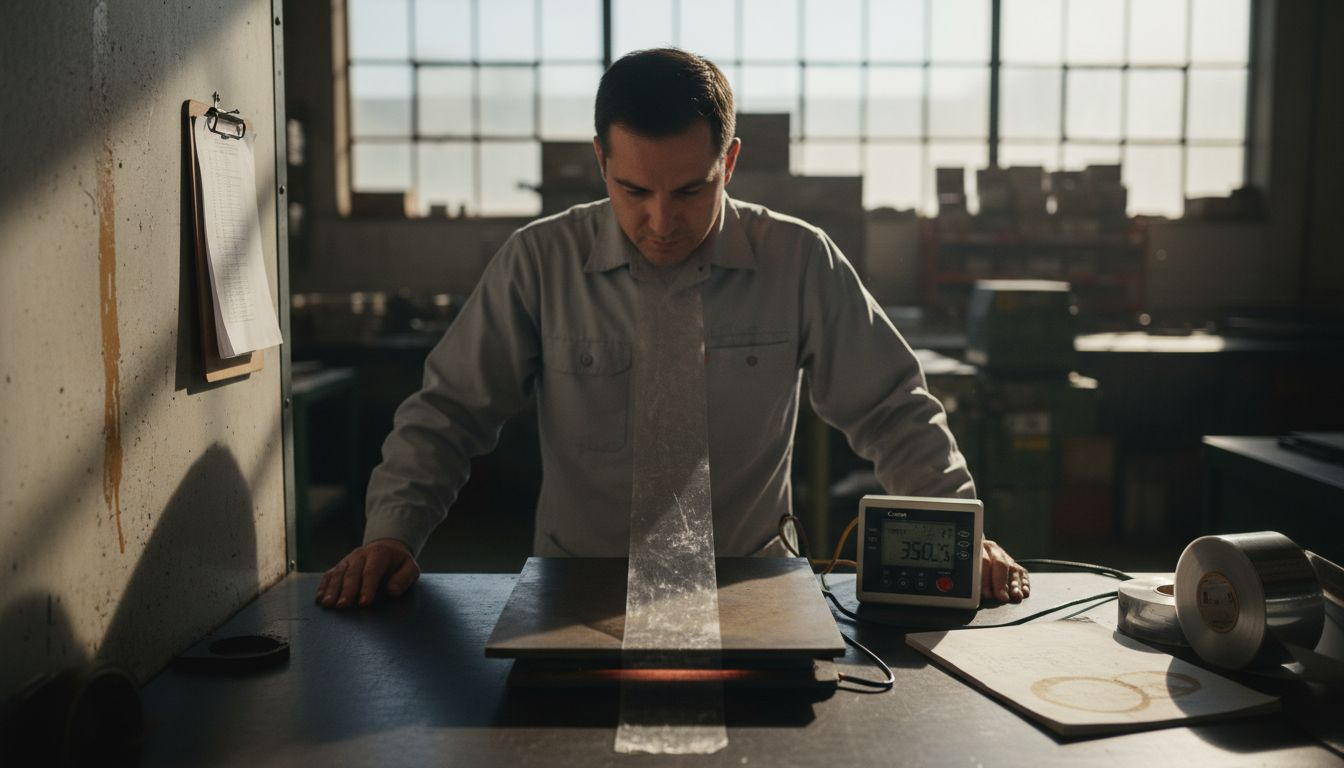
European manufacturing standards ensure bulk protective films meet stringent quality and environmental criteria. Certifications like ISO 9001:2015 and REACH compliance demonstrate commitment to consistent quality and sustainability. These standards matter when you need reliable performance across thousands of square meters of coverage.
| Feature | Single-Layer Film | Multi-Layer Film |
|---|---|---|
| Static Resistance | Low to Medium | High |
| Durability (cycles) | 1 to 2 | 3 to 5 |
| Heat Tolerance | Up to 60°C | Up to 85°C |
| Installation Ease | Moderate | High with dispenser |
Durability specifications allow multiple reuses. Premium bulk films last through three to five paint cycles before requiring replacement, dramatically reducing material costs over time. The static-free protective film features maintain effectiveness even after multiple applications.
Key technical specifications to evaluate:
- Electrostatic dissipation rate measured in ohms per square
- Tensile strength indicating resistance to tears and punctures
- Adhesion properties for secure placement without residue
- Chemical resistance to solvents and cleaning agents
- UV stability for films exposed to natural light
Pro tip: Request technical data sheets showing actual test results for static dissipation and heat resistance. Generic marketing claims without supporting data often indicate lower quality materials.
How Bulk Films Control Dust and Prevent Contamination
Electrostatic charge elimination forms the primary defense against dust contamination. When films carry no static charge, dust particles float past rather than being pulled onto surfaces. This mechanism reduces the number of particles that settle on wet paint by over 60%, according to electrostatic protective film research.
Physical barrier function provides the second layer of protection. Films create smooth, sealed surfaces that prevent dust from floor cracks, wall imperfections, and equipment from becoming airborne. The barrier traps existing dust beneath the film while presenting a clean surface to the painting environment.
The dust control mechanism works through these steps:
- Film installation covers all potential dust sources including floors, lower walls, and equipment
- Electrostatic dissipation prevents new dust attraction to covered surfaces
- Smooth film surface provides fewer anchor points for particles compared to rough concrete or metal
- Sealed edges prevent dust migration from beneath the protective layer
- Regular film replacement removes accumulated dust from the environment entirely
Paint finish defects decrease dramatically with proper film installation. Common issues like specks, orange peel texture, and uneven gloss result from dust contamination during application or curing. Eliminating these defects saves rework time and materials while improving customer satisfaction.
Installation quality directly affects contamination control effectiveness. Films installed with wrinkles, gaps, or poor edge sealing allow dust to escape and contaminate paint surfaces. Understanding types of spray booth films helps you select formats that install cleanly in your specific environment.
Consistency across paint jobs improves when dust variables are controlled. You achieve predictable results that build customer confidence and reduce warranty claims. The cumulative effect of better dust control compounds over hundreds of paint jobs annually.
Pro tip: Install fresh films before high-value paint jobs requiring premium finishes. The marginal cost of new film is negligible compared to the risk of contaminating an expensive custom paint application.
Common Misconceptions About Bulk Protective Films
The belief that all protective films perform identically leads facilities to make purchasing decisions based solely on price. In reality, static resistance and durability vary dramatically between products. A cheap film that fails after one use costs more per paint cycle than a premium film lasting five cycles.
Many assume protective films are single-use disposables. High-quality bulk films withstand three to five paint cycles when properly maintained, making them reusable assets rather than consumables. This longevity multiplies the value of initial investments in premium materials.
Installation systems receive insufficient attention during procurement. Facilities focus on film specifications while ignoring that poor installation undermines even the best materials. Ensuring dust-free spray booths requires both quality films and proper application methods.
Common misconceptions include:
- Thicker always means better, when optimal thickness balances durability with conformability
- Clear films perform the same as tinted, ignoring how tint can reduce glare and improve visibility
- All electrostatic films eliminate static equally, despite measurable differences in dissipation rates
- Installation method doesn’t affect performance, when bubbles and wrinkles create dust traps
- European and Asian manufacturing produce identical results, overlooking quality control differences
Ignoring these misconceptions leads to frequent film replacements, higher long-term costs, and inferior paint quality. A facility replacing cheap films after every paint cycle spends more annually than investing in durable bulk films from the start. The hidden costs include labor time for frequent reinstallation and potential contamination during film changes.
Decision makers often conflate protective films with general construction plastic. Construction plastic lacks the engineered properties needed for dust-sensitive painting environments. It generates static, tears easily, and offers no heat resistance for curing processes.
Installation Systems and Usability Enhancements
Patented dispenser systems revolutionize how facilities handle bulk protective films. These devices mount rolls of film for controlled dispensing, eliminating the struggle of managing large, unwieldy sheets. Operators pull film from the dispenser, position it precisely, and cut to length without assistance.
Bubble formation represents a persistent installation challenge. Air trapped between film and substrate creates raised areas that collect dust and may contact painted surfaces. Spray booth films enhancing dust protection quality research shows patented dispenser systems reduce installation time by 50% and minimize bubble formation during application.
These systems deliver measurable benefits:
- Reduced installation time frees technicians for revenue-generating paint work
- Fewer bubbles and wrinkles improve dust control effectiveness
- Consistent tension during application creates smoother, more uniform coverage
- Less physical strain reduces operator fatigue during large installations
- Single-person operation eliminates the need for installation teams
Installation efficiency impacts your bottom line more than film cost alone. A system cutting installation time in half effectively doubles labor productivity for facility preparation. Over dozens of weekly paint cycles, this efficiency gain delivers substantial savings.
Dispenser compatibility varies between film products. Some manufacturers design proprietary systems requiring their specific films, while others offer universal dispensers. Evaluate whether committing to a single supplier’s ecosystem aligns with your operational flexibility needs.
Operator satisfaction improves dramatically with better installation tools. Technicians appreciate equipment that makes their work easier and produces better results. This satisfaction translates to more consistent installation quality and better adoption of proper dust control procedures.
Factors to consider when evaluating installation systems:
- Weight capacity matching your typical film roll sizes
- Mounting options compatible with your facility layout
- Cutting mechanisms that produce clean edges without tearing
- Adjustability for different film widths
- Durability for industrial environments with overspray and chemicals
Boosting efficiency in spray booths requires viewing installation systems as infrastructure investments, not optional accessories. The right equipment pays for itself within months through labor savings and improved results.
Bulk Purchasing Advantages and Practical Selection Criteria
Bulk purchasing reduces unit costs by 15 to 25% compared to retail-sized packages. This discount comes from reduced packaging, consolidated shipping, and supplier economies of scale. For facilities using hundreds of square meters monthly, the annual savings reach thousands of dollars.
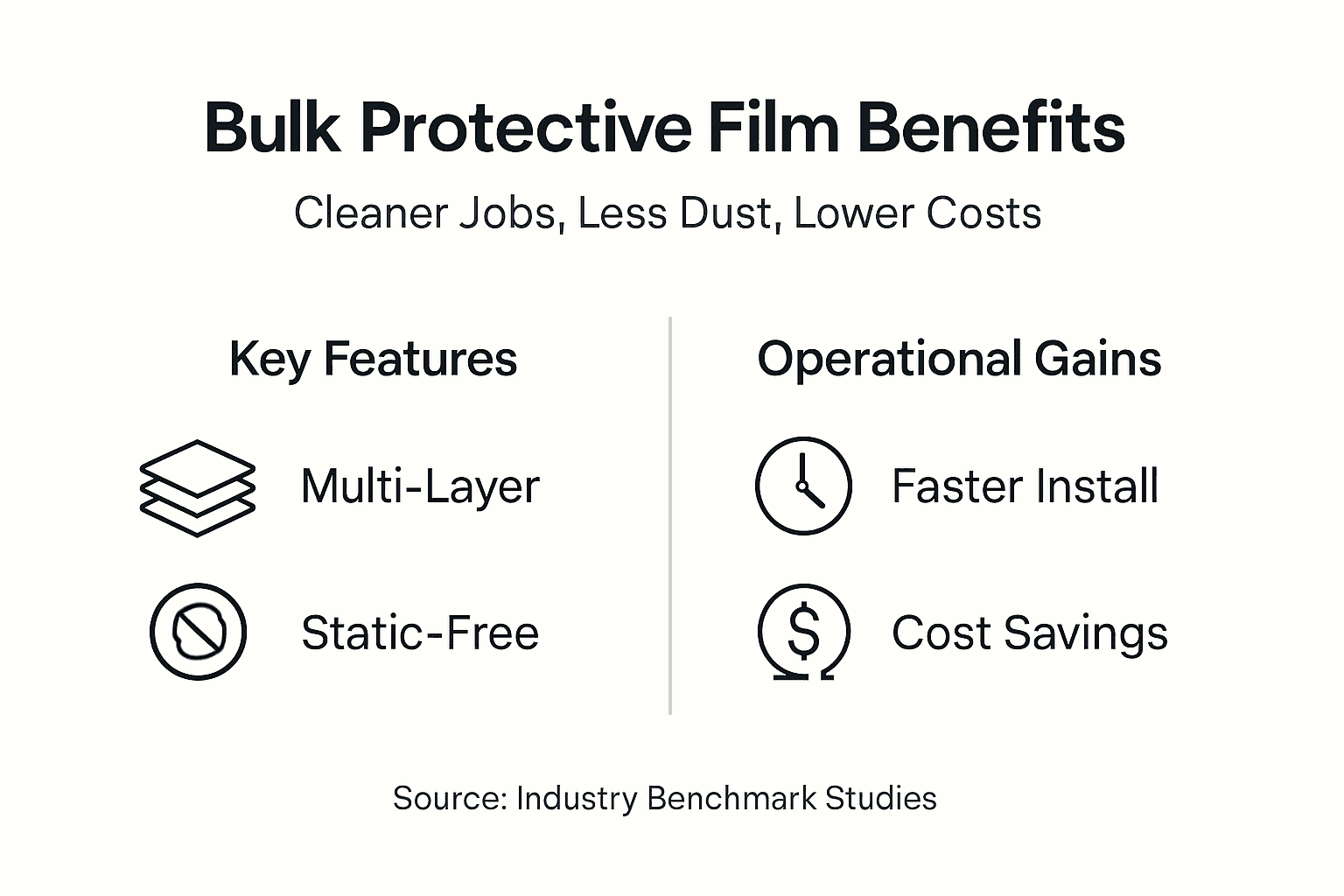
Customization options expand with bulk orders. You specify film dimensions matching your exact booth sizes, eliminating waste from oversized sheets. Some suppliers offer custom layering configurations, tinting options, and dispenser compatibility to match your workflow.
Selection criteria should prioritize technical performance aligned with your specific applications. Static resistance matters most for dust control, measured in ohms per square with lower values indicating better dissipation. Heat tolerance becomes critical if films remain in place during paint curing above 60°C.
| Criteria | Basic Requirement | Premium Specification |
|---|---|---|
| Static Resistance | 10^9 to 10^11 ohms/sq | 10^6 to 10^9 ohms/sq |
| Heat Tolerance | 60°C | 85°C |
| Reusability | 1 to 2 cycles | 3 to 5 cycles |
| Installation Time | 30 to 45 min per booth | 15 to 20 min per booth |
Comparing single-layer versus multi-layer films reveals cost-benefit tradeoffs. Single-layer films cost less initially but require more frequent replacement. Multi-layer films carry higher upfront costs but deliver lower cost per paint cycle through extended durability. Calculate total cost of ownership over your annual paint volume rather than focusing on per-unit price.
Steps to evaluate and select bulk protective films:
- Calculate your annual film usage in square meters based on booth sizes and paint frequency
- Request samples of candidate films to test installation and performance in your actual environment
- Compare technical specifications for static resistance, heat tolerance, and durability
- Evaluate supplier capabilities for customization, lead times, and technical support
- Calculate total cost of ownership including film cost, installation labor, and replacement frequency
- Verify compliance with relevant quality standards and environmental regulations
Annual usage patterns influence optimal purchasing strategies. Facilities with consistent monthly volume benefit from scheduled deliveries maintaining steady inventory without storage challenges. Those with seasonal peaks might negotiate flexible delivery terms matching demand fluctuations.
The top floor protection films comparison shows how specific applications drive selection criteria. Floor films require higher puncture resistance than wall films, while ceiling films prioritize secure adhesion.
Ensuring clean paint booths depends on matching film properties to contamination sources. Evaluate where dust originates in your facility and specify films with properties targeting those specific challenges.
Pro tip: Negotiate sample programs allowing you to test full-size rolls in production before committing to bulk orders. Real-world testing reveals performance issues that small samples might miss.
Understanding spray booth protection types helps you build a complete protection strategy rather than focusing solely on films.
Real-World Applications and Case Studies
An automotive collision repair facility in the Midwest reduced dust contamination incidents by 30% after switching to multi-layer bulk protective films. The shop previously experienced two to three paint reworks weekly due to dust specks. After implementation, rework dropped to one incident every two weeks, saving approximately $800 monthly in materials and labor.
An industrial coating facility improved installation efficiency by 25% using patented dispenser systems. The operation covers 500 square meters of booth space before each production run. Installation time decreased from four hours to three hours, allowing earlier production starts and increased daily throughput.
User testimonials from facility managers:
- “We’re getting four paint cycles from each film installation instead of replacing after every job. The cost savings paid for the upgrade within three months.”
- “Our painters noticed the difference immediately. Fewer dust issues mean they spend more time painting and less time fixing problems.”
- “The dispenser system seemed expensive initially, but it cut our prep time in half. We now handle more jobs without adding staff.”
Quantified cost savings demonstrate clear return on investment. A facility spending $3,000 annually on cheap films requiring replacement after each cycle reduced spending to $1,800 by switching to durable bulk films lasting multiple cycles. The $1,200 annual savings continues year after year.
Customer satisfaction improvements follow paint quality gains. Clients receiving flawless finishes return for future work and provide referrals. One shop reported a 15% increase in repeat customers after implementing comprehensive dust control with premium protective films.
The industrial painting dust prevention case studies reveal patterns across successful implementations. Facilities combining quality films with proper installation systems and operator training achieve the best results. Piecemeal approaches deliver limited benefits.
Smaller shops benefit proportionally more from bulk purchasing efficiency. A three-bay facility reduced per-unit film costs by 20% through bulk ordering, applying those savings directly to competitive pricing or profit margins. The operational improvements leveled the playing field against larger competitors.
Summary and Practical Recommendations
Bulk protective films deliver measurable benefits including over 60% reduction in dust contamination, three to five paint cycles of durability, and 15 to 25% cost savings through volume purchasing. These materials form the foundation of effective dust control in automotive and industrial painting environments.
Your selection checklist should include:
- Static resistance specifications matching your dust control requirements
- Heat tolerance appropriate for your curing processes
- Durability supporting multiple paint cycles to minimize replacement frequency
- Installation system compatibility with your facility layout and workflow
- Supplier capability for customization, reliable delivery, and technical support
- Compliance with quality and environmental standards
Work with suppliers who understand your specific applications and can recommend solutions based on actual facility conditions. The best partnerships include technical consultation, sample testing programs, and ongoing support to optimize performance.
Installation technology deserves equal attention to film specifications. Patented dispenser systems reducing installation time by 50% deliver immediate labor savings and better results. View these systems as infrastructure investments supporting long-term operational efficiency.
Evaluate performance periodically to sustain gains. Track metrics like paint rework frequency, film replacement intervals, and installation time. These measurements reveal whether your dust control strategy continues delivering expected benefits or requires adjustment.
Pro tip: Schedule annual reviews of your protective film program including usage analysis, cost evaluation, and performance assessment. Market innovations and facility changes may create opportunities for further optimization.
Explore Our Bulk Protective Film Solutions
Ready to implement professional-grade dust control in your facility? Our bulk protective films combine multi-layer construction, electrostatic properties, and heat resistance in formats engineered for automotive and industrial painting applications. We offer customization for your specific booth dimensions and volume requirements.
Explore our comprehensive resources on dust protection film technology and best practices. Learn advanced techniques through our guide on protective films in painting applications. Discover how our spray booth films deliver superior contamination control.
Our team provides technical consultation to match products with your operational requirements. Contact us to discuss bulk ordering options, custom configurations, and implementation support that maximizes your dust control investment.
Frequently Asked Questions
What Is Bulk Protective Film?
Bulk protective film is industrial-grade sheeting manufactured in large formats for high-volume applications in automotive repair shops and industrial painting facilities. These films feature multi-layer construction with electrostatic properties preventing dust contamination during paint application and curing. Unlike consumer plastic sheeting, bulk films meet specific technical requirements for static dissipation, heat resistance, and durability in professional environments.
What Industries Benefit Most from Bulk Protective Films?
Automotive collision repair shops, industrial spray painting facilities, and manufacturing plants with coating operations gain the most value. These industries require dust-free environments for quality paint finishes and operate at volumes justifying bulk purchasing. Facilities conducting multiple daily paint cycles achieve rapid return on investment through reduced contamination and material costs.
How Many Paint Cycles Can High-Quality Bulk Films Typically Last?
Premium multi-layer bulk films withstand three to five paint cycles before requiring replacement. Durability depends on proper installation, careful removal between cycles, and exposure to chemicals or physical damage. Single-layer films typically last one to two cycles, making multi-layer options more cost-effective despite higher initial prices.
What Makes Multi-Layer Films Superior to Single-Layer Options?
Multi-layer construction provides dedicated layers for static dissipation, structural strength, and surface adhesion. This design delivers better electrostatic properties reducing dust attraction by over 60% compared to basic films. Multi-layer films also offer superior heat resistance up to 85°C and extended durability through multiple paint cycles, lowering total cost of ownership.
Are Patented Dispenser Systems Compatible with All Bulk Protective Films?
Dispenser compatibility varies between manufacturers. Some systems work with universal film formats, while others require proprietary films designed for specific dispensers. Evaluate whether dispenser systems accommodate your preferred film specifications or if you’re willing to commit to a single supplier’s product ecosystem. Most quality suppliers clearly specify compatibility requirements.
What Standards Should I Look for to Ensure Film Quality and Sustainability?
ISO 9001:2015 certification demonstrates consistent quality management systems. REACH compliance confirms materials meet European environmental and safety standards. Request technical data sheets showing actual test results for static resistance, heat tolerance, and durability rather than relying solely on marketing claims. These verifications ensure films perform as specified and meet sustainability commitments.