

Большинство руководителей предприятий по ремонту автомобилей в Европе отмечают, что загрязнение пылью является основной причиной дефектов лакокрасочного покрытия, что ежегодно обходится предприятиям в тысячи евро. С установлением новых стандартов американской технологией распыления продолжается стремление к оптимизации качества лакокрасочного покрытия и эффективности окрасочных камер. В этой статье рассматривается, как усовершенствованные пленки для защиты от пыли обеспечивают ощутимое улучшение качества ремонта, с акцентом на практические особенности и преимущества, которые напрямую влияют на конечные результаты.
Содержание
- Что такое пленки для окрасочных камер и какова их роль
- Типы пленок для окрасочных камер для защиты от пыли
- Ключевые особенности современных защитных пленок
- Эксплуатационные преимущества для предприятий по ремонту автомобилей
- Сравнение старых и усовершенствованных пленок
- Стоимость, обслуживание и последствия для соответствия нормативным требованиям
Ключевые выводы
| Пункт | Детали |
|---|---|
| Важность пленок для окрасочных камер | Пленки для окрасочных камер необходимы для улавливания избыточного распыления, минимизации загрязнения пылью и обеспечения оптимальных условий окраски в промышленных условиях. |
| Типы и их применение | Пленки для окрасочных камер, поддающиеся промывке водой, и сухие пленки выполняют разные функции в борьбе с запылением: пленки, поддающиеся промывке водой, лучше всего подходят для помещений с большим объемом, а сухие пленки используют механические методы фильтрации. |
| Преимущества современных пленок | Усовершенствованные пленки для окрасочных кабин обеспечивают значительное улучшение распределения воздуха, улавливания частиц и долговечности по сравнению с традиционными решениями, повышая общую эффективность эксплуатации. |
| Соображения по поводу стоимости и обслуживания | Эффективное управление пленками для окрасочных камер предполагает понимание их общей стоимости владения, включая закупку, обслуживание и соответствие нормативным требованиям, что может существенно повлиять на операционный бюджет. |
Что такое пленки для окрасочных кабин и какова их роль
Пленки для окрасочных кабин — это специальные защитные материалы, предназначенные для создания чистой, контролируемой среды для окраски в промышленных и автомобильных мастерских. Эти современные пленки служат важными барьерами, которые улавливают избыточный распыл, предотвращают загрязнение пылью и поддерживают оптимальные условия окраски. Согласно правилам безопасности Управления по безопасности и гигиене труда (OSHA), пленки для окрасочных кабин являются неотъемлемыми компонентами вентилируемых камер, которые содержат операции распыления и безопасно управляют выбросами паров и остатков.
Основная функция пленок для окрасочных кабин выходит за рамки простого покрытия поверхности. Эти многослойные защитные материалы разработаны для улавливания частиц краски, минимизации загрязнения воздуха и создания контролируемой микросреды, которая напрямую влияет на качество отделки. Промышленные защитные ресурсы подчеркивают, что эти пленки улавливают частицы краски и пыль, предотвращая потенциальную опасность для работников и окружающего оборудования, что делает их важным инструментом безопасности и производительности в профессиональных условиях окраски.
Ключевые характеристики высококачественных пленок для окрасочных камер включают:
- Способность уменьшать электростатическую пыль
- Термостойкость в определенных температурных диапазонах
- Многослойная конструкция для более эффективного улавливания частиц
- Антистатические свойства поверхности
- Быстрая установка без образования пузырей
Совет от профессионала: при выборе пленок для окрасочных камер отдавайте предпочтение материалам с проверенными характеристиками и совместимостью с вашей конкретной средой окраски, чтобы обеспечить максимальную защиту и эффективность.
Типы пленок для окрасочных камер для контроля загрязнения
Пленки для окрасочных кабин для контроля загрязнения пылью подразделяются на отдельные типы, которые предлагают специализированные решения для различных промышленных условий окраски. Согласно правилам Управления по безопасности и гигиене труда, в сфере контроля загрязнения пылью преобладают две основные категории: пленки для окрасочных кабин с водной промывкой и пленки для окрасочных кабин с сухой промывкой, каждая из которых предназначена для решения конкретных задач по управлению частицами.
Пленки для окрасочных кабин с водной промывкой используют передовые системы фильтрации на водной основе для улавливания и устранения избыточного распыления краски и взвешенных в воздухе частиц. Эти системы особенно эффективны в условиях, требующих комплексного удержания частиц и механизмов очистки на основе влаги. Промышленные защитные ресурсы указывают, что камеры с водной промывкой превосходны в ситуациях, когда необходима противопожарная защита с помощью влаги, что делает их идеальными для крупномасштабных окрасочных работ, требующих строгого контроля за пылью.
Пленки для сухих окрасочных кабин представляют собой альтернативный подход к контролю за пылью и используют такие технологии механической фильтрации, как:
- Системы фильтрации с перегородками
- Технологии одноразовых фильтрующих рулонов
- Механизмы сбора порошка
- Механические фильтры для движения воздуха
- Обработка поверхности для рассеивания статического электричества
Совет от профессионала: выбирайте пленки для окрасочных кабин, которые соответствуют вашим конкретным условиям эксплуатации, учитывая такие факторы, как объем окраски, типы материалов и требования к вентиляции, чтобы оптимизировать эффективность контроля загрязнения.
Чтобы лучше понять, когда выбирать тот или иной тип пленки для окрасочной камеры, ознакомьтесь со сравнением ниже:
| Критерии | Пленки для окрасочных камер, моющиеся водой | Пленки для сухих окрасочных камер |
|---|---|---|
| Оптимальное применение | Большой объем, восприимчивость к огню | Мало- и среднеобъемные работы по окраске |
| Метод фильтрации | Улавливание частиц на водной основе | Механическая или статическая фильтрация |
| Частота технического обслуживания | Регулярные проверки системы водоснабжения | Замена фильтрующих рулонов или прокладок |
| Типичный размер объекта | Крупные промышленные предприятия | Малые и средние предприятия |
| Значение для противопожарной защиты | Отличная, на основе влаги | Умеренная, зависит от материала |
Основные характеристики современных защитных пленок
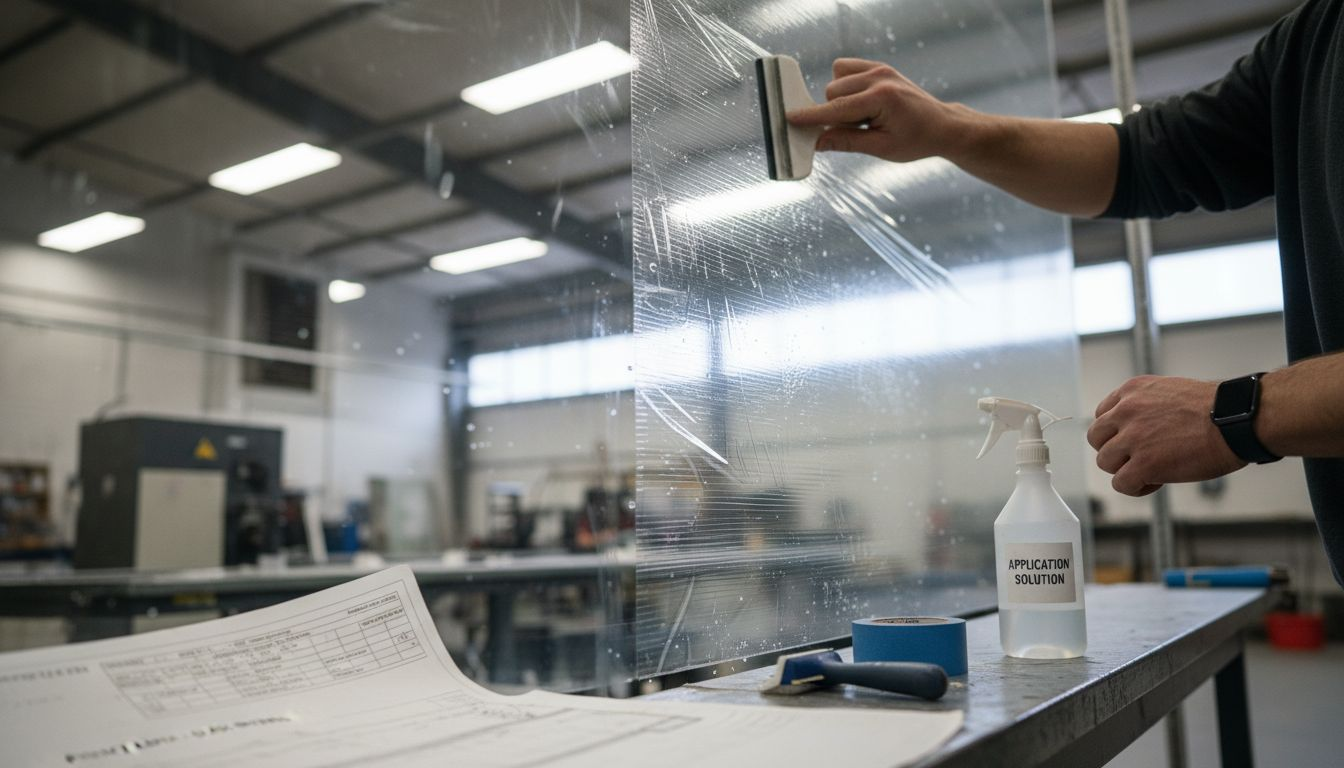
Современные защитные пленки представляют собой сложное технологическое решение для промышленной и автомобильной защиты, разработанное для обеспечения передовых характеристик, превосходящих традиционные покрытия поверхностей. Согласно технической документации по технологиям защиты лакокрасочных покрытий, эти пленки обычно изготавливаются из термопластичных уретановых материалов, которые обладают исключительной прочностью и универсальностью, способны защищать поверхности от множества воздействий окружающей среды и механических повреждений.
Основные характеристики современных защитных пленок включают замечательные самовосстанавливающиеся свойства и комплексные механизмы защиты. Средства для предотвращения коррозии подчеркивают их многофункциональные возможности, которые выходят далеко за рамки традиционных методов обработки поверхностей. Эти передовые пленки обеспечивают комплексную защиту благодаря таким характеристикам, как:
- Ударопрочность
- Защита от ультрафиолета
- Защита от химических загрязнений
- Гибкость для сложных поверхностей
- Прозрачные защитные слои
Уникальная конструкция позволяет адаптировать эти защитные пленки к различным промышленным условиям. Их молекулярная структура обеспечивает устойчивость к истиранию, ударам камнями и воздействию окружающей среды, сохраняя при этом эстетическую целостность. Прозрачность и тонкий профиль позволяют легко интегрировать их в различные области применения, от ремонта автомобилей до защиты промышленного оборудования.
Совет от профессионала: оценивайте защитные пленки на основе их конкретных показателей производительности и экологической совместимости, а не только по стоимости, чтобы обеспечить оптимальную долгосрочную защиту для ваших конкретных эксплуатационных потребностей.
Эксплуатационные преимущества для автомастерских
Авторемонтные мастерские требуют точности и эффективности для поддержания конкурентоспособности, и модернизация пленок для окрасочных кабин играет важную роль в оптимизации эксплуатации. Отраслевая документация подчеркивает значительное повышение эффективности эксплуатации за счет усовершенствованного контроля за пылью и управлением перерасходом краски, демонстрируя, как стратегические инвестиции в пленки напрямую влияют на качество производства и безопасность на рабочем месте.
Профессиональные ресурсы по ремонту автомобилей подчеркивают, что современные пленки для окрасочных камер способствуют всестороннему улучшению эксплуатационных характеристик, особенно в трех ключевых областях: контроль окружающей среды, соблюдение нормативных требований и эффективность процессов. Эти усовершенствованные пленки создают существенные преимущества за счет:
- Снижение загрязнения частицами
- улучшение качества отделки
- Минимизация рисков для здоровья на рабочем месте
- Ускорение сроков выполнения проектов
- Снижение долгосрочных затрат на техническое обслуживание
Стратегическое внедрение высокоэффективных пленок для окрасочных камер преобразует рабочие процессы по ремонту автомобилей, создавая контролируемую чистую среду, которая способствует применению точных методов окраски. Благодаря устранению микроскопических частиц пыли и эффективному управлению перерасходом краски, предприятия могут достичь стабильно высокого качества отделки, сократить отходы материалов и обеспечить более безопасную рабочую среду для технических специалистов.
Совет от профессионала: проводите ежеквартальную оценку эффективности пленок для окрасочных камер, чтобы проактивно выявлять возможности для повышения эффективности и поддерживать оптимальные стандарты эксплуатации.
Сравнение старых и обновленных пленок
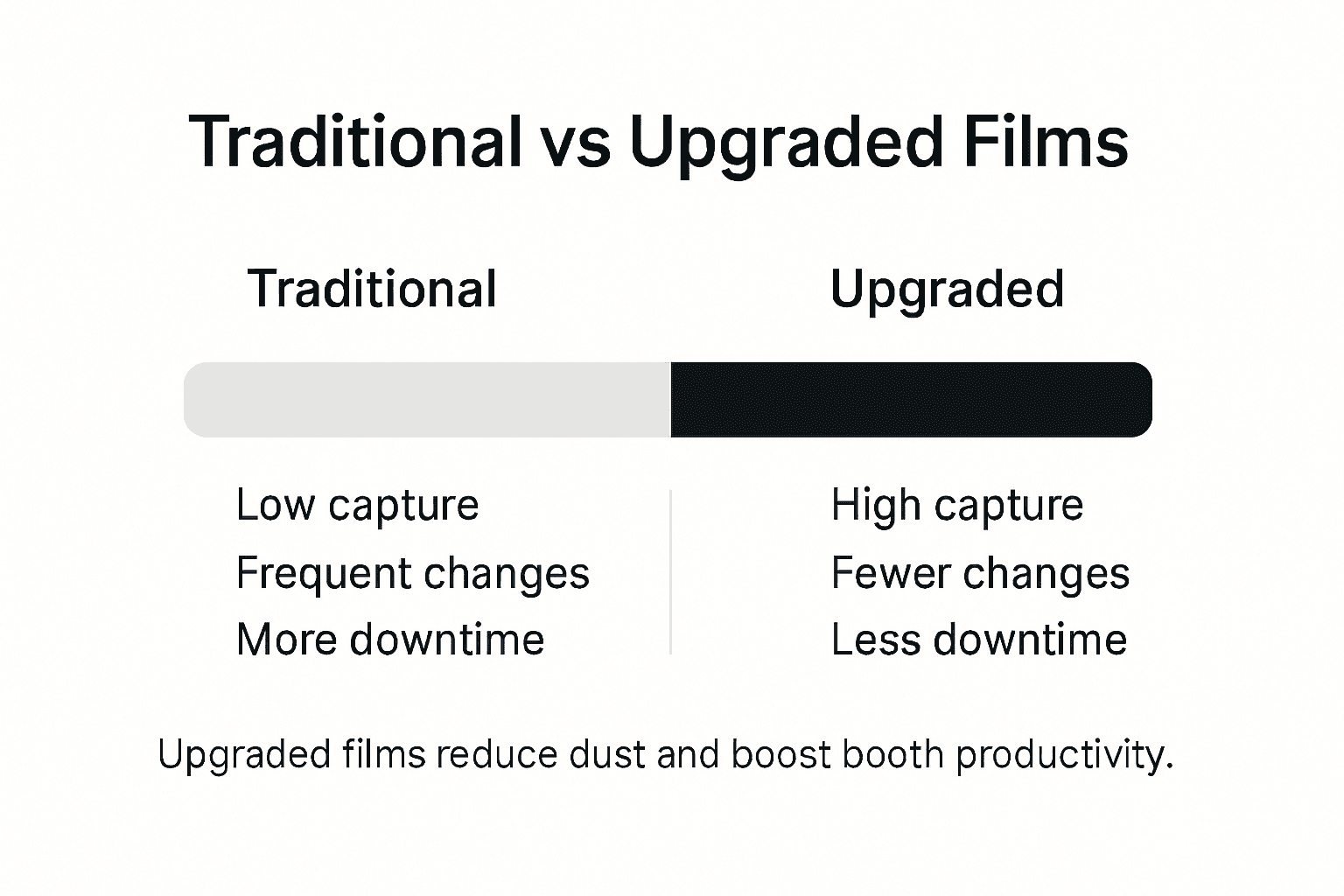
Технологии пленок для окрасочных камер претерпели значительные изменения, что привело к существенным различиям в производительности между традиционными и современными решениями. Промышленные защитные ресурсы выявляют критические ограничения старых систем пленок, подчеркивая значительные пробелы в контроле запыленности, распределении воздуха и общей эксплуатационной эффективности, которые эффективно устраняются современными обновлениями.
Руководства по безопасности труда подчеркивают существенные улучшения в области безопасности, достигнутые благодаря модернизированным пленкам для окрасочных камер, особенно в отношении предотвращения пожаров и защиты рабочего места. Ключевые отличия между старыми и новыми пленочными решениями включают:
- Возможности равномерного распределения воздуха
- Повышенная эффективность улавливания частиц
- Улучшенные технологии фильтрующих материалов
- Превосходная система управления пылью и избыточным распылением
- Увеличенный срок службы и долговечность
- Снижение потенциальной опасности возгорания
- Лучшее соответствие действующим стандартам безопасности
Современные пленки для окрасочных камер представляют собой значительный технологический прорыв, превратившись из простых защитных барьеров в сложные системы контроля окружающей среды. Эти передовые решения не только минимизируют риски загрязнения, но и создают более стабильные условия для окраски, что значительно сокращает количество переделок и улучшает общее качество отделки. Инвестиции в усовершенствованные технологии пленок напрямую приводят к ощутимому улучшению эксплуатационных характеристик, повышению безопасности работников и увеличению эффективности производства.
Совет от профессионала: проведите комплексную проверку характеристик существующих пленок для окрасочных кабин, сравнив их технические характеристики с действующими отраслевыми стандартами, чтобы выявить потенциальные возможности для модернизации.
Ниже приведен обзор преимуществ усовершенствованных пленок для окрасочных камер по сравнению со старыми решениями:
| Область производительности | Традиционные пленки | Модернизированные пленки |
|---|---|---|
| Распределение воздуха | Часто неравномерное | Равномерный, оптимизированный поток |
| Улавливание частиц | Низкая до умеренной | Высокая эффективность, меньше дефектов |
| Долговечность | Короткий срок службы | Увеличенный срок службы |
| Соответствие нормативным требованиям | Может потребоваться обновление | Соответствие действующим стандартам |
| Требования к техническому обслуживанию | Частая замена | Реже, оптимизировано |
Последствия для затрат, технического обслуживания и соблюдения нормативных требований
Управление пленкой в окрасочной камере представляет собой сложное пересечение финансового планирования, операционной эффективности и соблюдения нормативных требований. Документация по противопожарной защите показывает критическую связь между практиками технического обслуживания и потенциальными операционными рисками, подчеркивая, что ненадлежащее техническое обслуживание пленки может привести к существенным финансовым и безопасовым последствиям.
Ресурсы по промышленной защите подчеркивают комплексные последствия для затрат, связанные с системами пленки для окрасочных камер, которые выходят далеко за рамки первоначальных инвестиций в материалы. Общая стоимость владения включает в себя несколько стратегических соображений:
- Первоначальные расходы на закупку материалов
- Регулярные циклы технического обслуживания и замены
- Потенциальные затраты на соблюдение нормативных требований
- Потенциальные простои и потери производительности
- Долгосрочные инвестиции в защиту оборудования
- Снижение рисков для безопасности работников
- Расходы на соблюдение экологических норм
Эффективное управление пленкой в окрасочной камере требует комплексного подхода, который уравновешивает немедленные финансовые ограничения и долгосрочную эксплуатационную устойчивость. Благодаря внедрению проактивных стратегий технического обслуживания и выбору передовых технологий пленки, предприятия могут минимизировать непредвиденные расходы, снизить потенциальные штрафы за нарушение нормативных требований и создать более предсказуемый операционный бюджет. Стратегические инвестиции в высококачественные пленки приводят к снижению долгосрочных затрат за счет повышения эффективности, продления срока службы оборудования и минимизации потенциальных инцидентов, связанных с безопасностью.
Совет от профессионала: разработайте комплексную систему отслеживания технического обслуживания, которая документирует характеристики пленки, интервалы замены и показатели соответствия требованиям, чтобы оптимизировать стратегию управления пленкой в окрасочной камере.
Повысьте эффективность вашей окрасочной камеры с помощью проверенных решений по контролю загрязнения
Проблемы, освещенные в статье, подчеркивают важность модернизации пленок для окрасочных камер с целью улучшения контроля за пылью, оптимизации распределения воздуха и обеспечения превосходного качества отделки при восстановлении лакокрасочного покрытия автомобилей и промышленной окраске. Если вы сталкиваетесь с проблемами неравномерного улавливания частиц, частого технического обслуживания или рисками несоблюдения нормативных требований, современные многослойные пленки с электростатическими свойствами могут преобразить вашу окрасочную камеру. Эти пленки разработаны для снижения загрязнения, минимизации простоев и защиты ваших инвестиций за счет обеспечения долговечности и антистатического нанесения, которое соответствует самым высоким европейским стандартам производства.
В Dust Free Film мы специализируемся на производстве высококачественных пленок для защиты от пыли, которые решают именно эти проблемы. Наши запатентованные системы нанесения позволяют быстро устанавливать пленку без пузырей, обеспечивая термостойкое и надежное покрытие для промышленных помещений с интенсивным движением. Независимо от того, хотите ли вы модернизировать традиционные решения или оптимизировать текущую конфигурацию, наши продукты поддерживают крупномасштабные операции с гибкими возможностями настройки и опциями оптовой покупки.
Возьмите под контроль условия в вашей окрасочной камере с помощью пленок, разработанных для удовлетворения современных требований по контролю за пылью и повышения эффективности вашей работы.
Узнайте, как передовые решения Dust Free Film могут революционизировать производительность вашей окрасочной камеры. Посетите наш веб-сайт Dust Free Film, чтобы ознакомиться с полным ассортиментом нашей продукции и запросить консультацию, чтобы ваше предприятие работало с максимальной эффективностью уже сегодня. Узнайте больше о наших инновациях, которые идеально соответствуют потребностям, описанным в статье, посетив веб-сайт Dust Free Film.
Часто задаваемые вопросы
Что такое пленки для окрасочных камер и почему они важны?
Пленки для окрасочных кабин — это защитные материалы, используемые в окрасочных цехах для улавливания избыточного распыления, предотвращения загрязнения пылью и поддержания оптимальных условий окраски, что в конечном итоге повышает качество отделки и безопасность работников.
Как усовершенствованные пленки для окрасочных камер повышают эффективность работы?
Усовершенствованные пленки для окрасочных кабин повышают эффективность работы за счет равномерного распределения воздуха, высокой эффективности улавливания частиц, повышенной прочности и лучшего соответствия требованиям безопасности, что приводит к снижению риска загрязнения и переделки.
В чем разница между пленками для окрасочных кабин с водной промывкой и сухими пленками?
Пленки для окрасочных кабин с водной промывкой используют системы фильтрации на водной основе для улавливания частиц, что делает их подходящими для применения в условиях больших объемов. В отличие от них, пленки для окрасочных кабин с сухой промывкой используют технологии механической фильтрации, идеально подходящие для окраски небольших и средних объемов.
Как я могу максимально продлить срок службы и повысить эффективность пленки для окрасочной камеры?
Чтобы максимально продлить срок службы и повысить эффективность пленок для окрасочных кабин, проводите регулярное техническое обслуживание, выбирайте высококачественные материалы, совместимые с вашими операциями, и проводите ежеквартальные оценки для выявления потенциальных возможностей повышения эффективности.