
Spray booth contamination costs automotive and industrial painting operations thousands annually through defects and rework. Studies reveal that up to 25% of coating defects stem from dust and overspray particles settling on surfaces during paint application. Protective films provide a proven solution by creating physical barriers that trap contaminants before they compromise finish quality. This article examines how these specialized films reduce defects, lower paint consumption, and deliver measurable efficiency gains backed by industry data and expert application strategies.
Table of Contents
- Key takeaways
- How protective films shield spray booths from contamination
- Quantifying benefits: defect reduction and efficiency gains with protective films
- Choosing and applying protective films for maximum ROI
- Market outlook: why protective films are becoming essential in automotive and industrial painting
- Explore dust free film solutions for your spray booth
- FAQ
Key Takeaways
| Point | Details |
|---|---|
| Defect reduction up to 25% | Dust and overspray control using protective films reduces coating defects by up to 25 percent compared with traditional protection methods in automotive refinishing. |
| Paint savings and waste | Films help maintain cleaner booth environments and reduce paint use by 15 to 25 percent with 30 to 40 percent waste reductions compared with traditional methods like paper or basic plastic sheeting, and these savings can offset the higher upfront cost within months. |
| Quick installation | The films use self adhesive backing and overlapping edges that seal without gaps, speeding installation between jobs. |
| Film properties and specs | Key film properties include peelability without residue, bubble resistance, heat tolerance, multi layer construction, and transparency for windows, with recommended use of films rated at least twenty degrees Fahrenheit above the booth curing temperature. |
How protective films shield spray booths from contamination
Protective films in spray booths shield floors, walls, windows from overspray, dust, and contaminants, preventing defects in paint jobs. These specialized barriers adhere directly to booth surfaces, creating a sealed layer that captures particles before they become airborne or settle on wet paint. The films work through two primary mechanisms: physical barrier protection and electrostatic particle attraction.
Electrostatic films carry a static charge that actively pulls dust particles from the air, significantly improving capture rates compared to standard plastic sheeting. This charge remains effective throughout the film’s lifecycle, continuously attracting contaminants even as the booth operates. The result is a cleaner environment that maintains paint quality across multiple jobs without constant manual cleaning between applications.
Modern protective films feature self-adhesive backing that eliminates tape requirements during installation. Overlapping edges seal naturally without gaps, preventing contaminant migration between layers. This tape-free design speeds installation while ensuring complete surface coverage. Professionals can apply films quickly between jobs without specialized tools or extensive surface preparation.
Key properties that determine film effectiveness include:
- Peelability without residue for clean removal after use cycles
- Bubble resistance during application to maintain smooth surfaces
- Heat tolerance ratings for booths using elevated temperature curing
- Multi-layer construction allowing sequential removal as outer layers become contaminated
- Transparency for window applications maintaining visibility during paint operations
Pro Tip: Select films rated for temperatures exceeding your booth’s maximum curing temperature by at least 20°F. This safety margin prevents film degradation during high-heat operations and maintains adhesive integrity throughout extended use cycles.
The film’s physical structure matters as much as its chemical properties. Premium films use polymer blends engineered for spray booth environments, balancing flexibility for easy application with durability to withstand foot traffic and equipment movement. Thickness specifications typically range from 2 to 4 mil, with thicker films offering extended durability for high-traffic floor applications while thinner versions suit wall and ceiling installations where weight and draping characteristics matter more.
Quantifying benefits: defect reduction and efficiency gains with protective films
Data from automotive refinishing operations demonstrates that implementing dust prevention technology reduces coating defects by up to 25% compared to booths using traditional protection methods. This improvement stems directly from lower airborne particle counts during paint application. Fewer contaminants mean fewer surface imperfections requiring correction, translating to faster job completion and higher customer satisfaction.
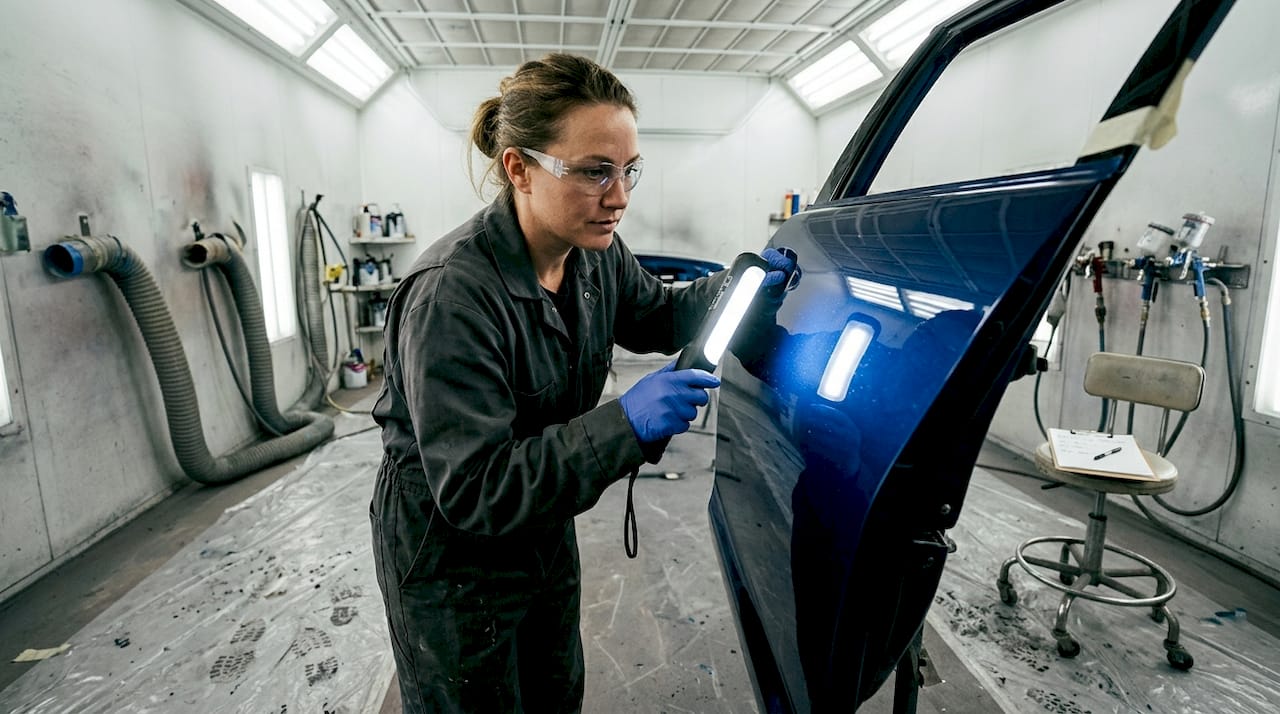
Paint consumption decreases significantly when protective films maintain cleaner booth environments. Operations report 15-25% lower paint consumption and 30-40% waste reduction versus traditional methods like paper or basic plastic sheeting. These savings accumulate quickly in high-volume facilities, offsetting film costs within months of implementation.
| Metric | With Protective Films | Traditional Methods | Improvement |
|---|---|---|---|
| Defect rate | 3-5% | 8-10% | 50-60% reduction |
| Paint consumption | 100 baseline | 115-125 units | 15-25% savings |
| Material waste | 100 baseline | 140-170 units | 30-40% reduction |
| Cleaning time per cycle | 15-20 minutes | 45-60 minutes | 60-70% faster |
| Film replacement frequency | Every 250 cycles | N/A | Predictable maintenance |
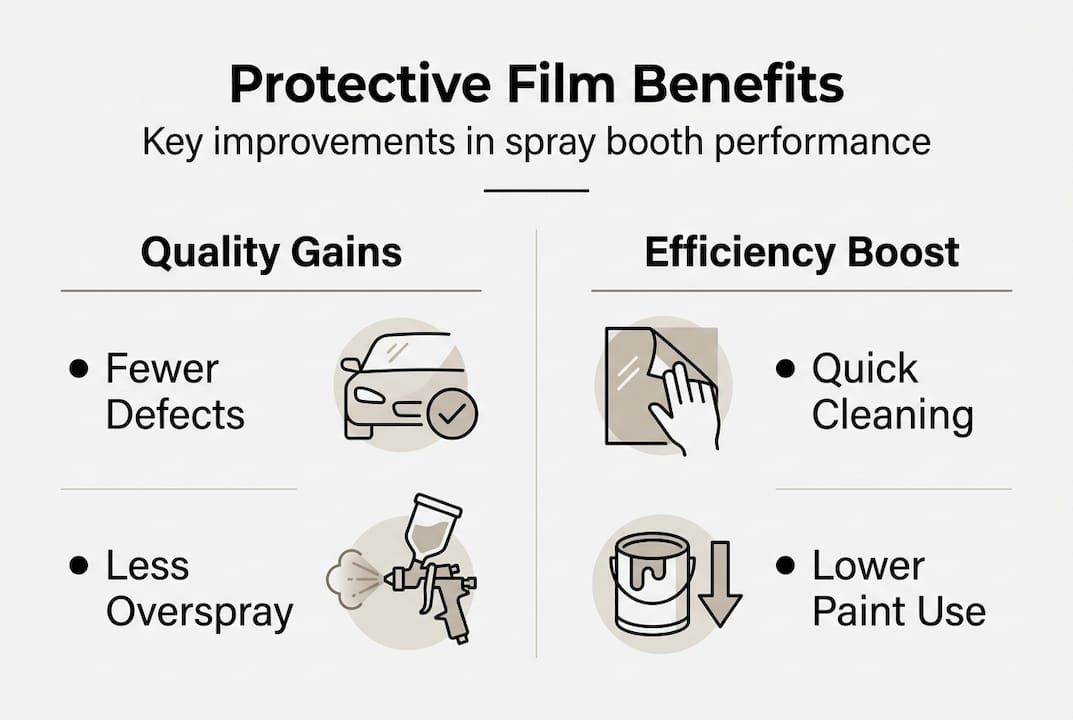
The efficiency gains extend beyond material savings. Protective films reduce cleaning time between jobs by 60-70% since contaminated layers simply peel away rather than requiring scrubbing and solvent application. This time savings allows facilities to increase throughput without extending operating hours or adding staff. A typical automotive body shop completing 20 paint jobs weekly saves approximately 10 hours of cleaning labor monthly by switching to protective film systems.
Cost analysis reveals that while electrostatic protective films carry higher upfront costs than paper or basic plastic, the total cost of ownership favors advanced films. A facility spending $500 monthly on premium films typically recovers this investment through reduced paint consumption alone, with additional savings from lower defect rates and faster turnaround times providing pure profit improvement.
Quality consistency represents another measurable benefit. Facilities using protective films report more predictable outcomes across jobs, with fewer variables affecting final finish quality. This consistency reduces the skill gap between experienced and newer painters, as the controlled environment compensates for minor technique variations that might otherwise cause defects in less protected booths.
Choosing and applying protective films for maximum ROI
Selecting appropriate protective films requires matching product specifications to your booth’s operating conditions. For professionals, select anti-static films for dust-heavy booths, monitor cycles at 250 per layer, and recognize that initial costs prove higher but ROI comes through efficiency gains. Temperature ratings become critical for booths using heat curing, as films must withstand sustained temperatures without degrading or releasing adhesive residue.
Key selection criteria include:
- Anti-static properties for environments with high dust generation or dry conditions
- Heat resistance matching or exceeding booth curing temperatures
- Layer count in multi-layer systems balancing upfront cost against replacement frequency
- Transparency requirements for window and viewing panel applications
- Adhesive strength appropriate for surface types and expected service duration
Application best practices ensure maximum film performance and longevity:
- Clean all surfaces thoroughly before application, removing existing overspray and contaminants that could prevent proper adhesion.
- Start film application from one corner, working systematically across surfaces to avoid trapped air pockets that create weak points.
- Overlap adjacent film sheets by 2-3 inches, ensuring complete coverage without gaps where contaminants could penetrate.
- Use a squeegee or roller to press films firmly against surfaces, activating adhesive and eliminating bubbles.
- Trim excess material at edges and openings for clean finished appearance and to prevent loose edges from lifting during use.
- Mark installation dates on film edges to track usage cycles and plan timely replacements before protective effectiveness declines.
Monitoring film condition throughout its lifecycle prevents quality issues from developing. Inspect films weekly for signs of degradation including edge lifting, bubble formation, or visible contamination buildup on the outer layer. Multi-layer systems allow removal of compromised outer layers while maintaining protection from underlying layers, extending the interval between complete film replacements.
Cost considerations extend beyond purchase price. Calculate total ownership costs including material expense, installation labor, replacement frequency, and savings from reduced paint consumption and defect rates. A facility investing $2,000 annually in premium protective films typically realizes $5,000-8,000 in combined savings from lower material waste, reduced rework, and faster cleaning cycles.
Pro Tip: Avoid bargain films that bubble or peel prematurely, as these create more problems than they solve. Failed films release particles into the booth environment, potentially causing worse contamination than no protection at all. Invest in proven products from established manufacturers with documented performance in professional spray booth applications.
Implementation timing affects ROI realization. Facilities transitioning to protective films see fastest payback when converting during scheduled booth maintenance or upgrades rather than as emergency responses to quality problems. This planned approach allows proper surface preparation and complete system installation without production pressure.
Market outlook: why protective films are becoming essential in automotive and industrial painting
The spray booth protective film market demonstrates steady growth reflecting industry recognition of these products’ value. Market analysis projects the sector at $1,016.4 million in 2025 with 2.7% CAGR driven by efficiency demands in automotive painting operations. This growth trajectory indicates increasing adoption across facilities ranging from small body shops to large industrial painting operations.
Several factors drive protective film adoption in 2026:
- Tightening quality standards from automotive OEMs and industrial customers requiring defect-free finishes
- Labor cost pressures making efficiency improvements essential for competitive operations
- Environmental regulations favoring solutions that reduce paint waste and VOC emissions
- Skilled labor shortages increasing value of technologies that reduce dependence on expert technique
- Customer expectations for faster turnaround times without quality compromises
Protective films compete with alternative contamination control approaches including frequent booth cleaning, upgraded filtration systems, and disposable coveralls. Each method addresses contamination differently with varying cost structures and effectiveness levels.
| Approach | Upfront Cost | Operating Cost | Effectiveness | Labor Intensity |
|---|---|---|---|---|
| Electrostatic protective films | Medium-High | Low | Excellent (up to 25% defect reduction) | Low (quick peel removal) |
| Basic plastic sheeting | Low | Medium | Fair (limited dust capture) | Medium (tape application) |
| Enhanced filtration | High | Medium | Good (reduces airborne particles) | Low (filter changes) |
| Frequent manual cleaning | None | High | Variable (depends on frequency) | Very High (labor intensive) |
| Disposable booth covers | Low-Medium | Medium-High | Good (single-use protection) | Medium (complete replacement) |
Industry trends point toward protective films becoming standard equipment rather than optional upgrades. Facilities seeking certification under quality management systems find that documented contamination control measures, including protective film usage, support compliance efforts. Insurance providers increasingly recognize proper booth maintenance including protective films as risk mitigation factors potentially affecting premium calculations.
The shift toward waterborne paints and advanced coating systems amplifies protective film importance. These modern formulations show greater sensitivity to contamination than traditional solvent-based paints, making dust control more critical for achieving specified finish quality. Facilities transitioning to waterborne systems often implement protective films simultaneously to maintain quality standards during the conversion.
Emerging technologies integrate with protective film systems to enhance performance. Some facilities combine films with automated monitoring systems that track usage cycles and alert managers when replacement becomes necessary. This integration prevents quality issues from developing due to overextended film service intervals while optimizing replacement timing to minimize waste.
Explore dust free film solutions for your spray booth
Implementing protective films transforms spray booth operations through measurable quality improvements and efficiency gains. Dust Free Film manufactures premium spray booth protection films engineered specifically for automotive refinishing and industrial painting applications. Our multi-layer electrostatic systems deliver the contamination control and durability professionals require for consistent, defect-free finishes.
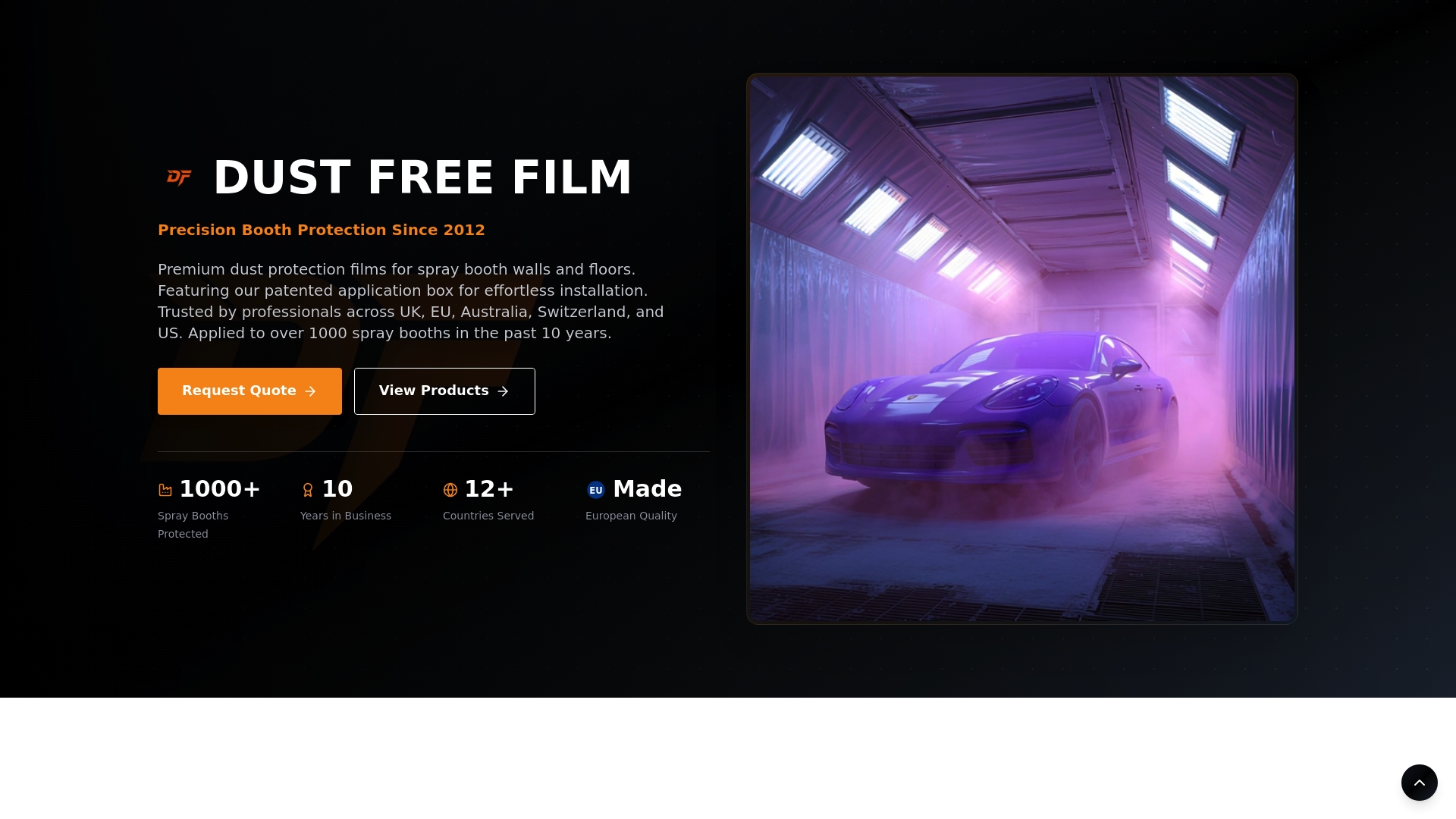
Our product line includes specialized films for booth walls, floors, and windows, each optimized for its specific application environment. European manufacturing standards ensure consistent quality and performance across every roll. Whether you operate a single-bay body shop or a multi-booth industrial facility, we provide solutions scaled to your requirements with flexible ordering options including bulk purchasing for large operations.
Request a quote to explore how our protective film systems can reduce your defect rates and improve operational efficiency. Our team helps you select appropriate products for your booth configuration and operating conditions, ensuring maximum return on your protective film investment.
FAQ
What are protective films used for in spray booths?
Protective films shield booth surfaces from overspray, dust, and contaminants that compromise paint quality. They create removable barriers on floors, walls, and windows that trap particles before they become airborne or settle on wet paint. This protection reduces cleaning requirements between jobs while maintaining consistent finish quality across multiple painting cycles.
How do electrostatic protective films reduce paint consumption?
Electrostatic films attract and trap dust via static charge, reducing contamination risks during paint application. Lower contamination means fewer surface defects requiring touch-ups or complete recoats. This reduction in rework decreases total paint consumption by 15-25% compared to booths using traditional protection methods, delivering direct material cost savings.
What factors should I consider when selecting protective films?
Evaluate your booth’s dust levels to determine if anti-static properties provide sufficient benefit to justify premium pricing. Check temperature ratings carefully, especially for operations using heat curing processes reaching 180-200°F. Consider film lifespan specifications, with quality multi-layer systems typically rated for approximately 250 use cycles per layer. Match film thickness to application location, using heavier films for floors and lighter versions for walls and ceilings.
Are protective films cost effective despite higher upfront investment?
Higher initial film costs are offset by 25% reduction in defects and 30-40% less paint waste compared to traditional protection methods. Facilities typically achieve payback within 6-12 months through combined savings from lower material consumption, reduced rework, and faster cleaning between jobs. Labor savings from quick film removal versus manual booth cleaning add further value, making protective films one of the highest-ROI investments available for spray booth operations.