
Yes, manufacturers and master distributors are actively recruiting dealers across automotive, architectural, and industrial protective film. Most programs bundle product supply, installer training, marketing co-op funds, minimum order quantities, and dealer locator placement. The fastest path forward: identify which product line and channel fit your business, then apply directly through a manufacturer’s distributor page or request a quote.
TL;DR:
- Most protective film programs require proof of business registration, tax ID, insurance, and references before application approval.
- Margin expectations differ based on volume, with distributor margins offset by added costs like freight, storage, and handling.
- Becoming an authorized dealer typically takes four to eight weeks, needing an initial order and completion of installation training.
- Brand-direct purchasing offers 10 to 25 percent higher gross margins but less flexibility than distributor options.
- Supporting tools such as pattern software and installation kits can significantly reduce installation time, making them worth requesting upfront.
Table of Contents
- What Distributor and Dealer Opportunities Exist in Protective Film?
- How Do You Apply and Get Onboarded as a Distributor?
- What Are Typical Margins, MOQs, and Lead Times?
- What Training and Marketing Support Do Manufacturers Provide?
- Should You Buy Direct or Partner With a Distributor?
- How Dust Free Film Structures Its Distributor Partnerships
- Start a Distributor Relationship With Dust Free Film
- A Supplier’s Take on Building Resilient Distribution
- Sources
- FAQ
What Distributor and Dealer Opportunities Exist in Protective Film?
Protective film partnerships break down into a few distinct roles, and picking the wrong one wastes both time and inventory budget. A master distributor buys in volume, warehouses stock regionally, and resells to smaller dealers or installers within a territory. A regional distributor operates on a smaller footprint but still carries inventory and handles fulfillment for a defined area. A local dealer or installer typically buys from a distributor rather than the factory, applies the film on-site, and rarely stocks bulk rolls. An authorized reseller may sell online or through a showroom without doing installation work at all.
Product lines split cleanly by channel. Automotive paint protection film and window film usually move through installer networks that need training and application tools. Industrial spray-booth wall and floor films sell more often to facility buyers and industrial distributors who care about durability specs and bulk pricing. Architectural window film sits somewhere between the two, serving both installer networks and commercial glazing contractors.
- Multi-brand distribution gives broader catalog flexibility but dilutes brand loyalty and marketing support.
- Single-brand authorized dealership usually unlocks better co-op marketing and territory protection, at the cost of catalog flexibility.
How Do You Apply and Get Onboarded as a Distributor?
Manufacturers and master distributors generally follow a similar sequence. According to guidance from Energy Products Distribution’s authorized dealer program, becoming an authorized dealer can require an application review, a business plan, and an initial opening order before approval.
- Gather documentation. Business registration, tax ID, liability insurance, and trade references are the baseline ask.
- Submit an application. Most manufacturers use a distributor page or dealer inquiry form rather than a phone call.
- Go through evaluation. Expect a review call, sometimes a webinar, occasionally a face-to-face meeting for larger territories.
- Place an initial or sample order. This confirms commitment and lets you test the product before scaling.
- Complete training and certification. Installation training is often a prerequisite for dealer locator listing, not an optional extra.
- Get listed. Once certified, you typically appear on the manufacturer’s dealer locator, which drives inbound leads.
Realistically, budget four to eight weeks from application to locator listing, longer if a formal business plan is required. Opening-order size is often the biggest variable, so ask about it before you invest time in paperwork.
What Are Typical Margins, MOQs, and Lead Times?
Minimum order quantities scale with your role in the chain. Master distributors commit to pallet or container-level volumes; local dealers often negotiate case-pack minimums instead. Lead times stretch during supply constraints, and manufacturers tend to allocate limited stock to their highest-volume accounts first, which is one more reason volume history matters when you negotiate.
Margin expectations vary by product complexity and service level, but distributors offering smaller order quantities, consolidated shipping, and safety stock typically earn that margin by absorbing the flexibility risk manufacturers won’t carry themselves.
- Freight and customs costs on international shipments
- Inventory holding costs while stock sits in your warehouse
- Return and replacement handling for damaged or defective rolls
- Working capital tied up between order and resale
Total cost matters more than the unit price on the invoice. Storage, labor, and inventory management can erase per-unit savings from buying direct, a distinction that trips up a lot of first-time dealers who compare quotes side by side without running a real total-cost-of-ownership check first.
What Training and Marketing Support Do Manufacturers Provide?
Manufacturers rarely hand you a product and walk away. Value-added distributors typically get dedicated sales leads, co-op advertising, and technical training as part of the standard partnership package, not as an upsell.
- Training formats range from short webinars to hands-on installer classes and full certification tracks.
- Marketing support often includes co-op advertising funds, product demo kits, and placement on the dealer locator.
- Technical support covers warranty claims, replacement logistics, and troubleshooting when a batch behaves unexpectedly on-site.
Some automotive film manufacturers go further, supplying pattern software and installation tools that shave real time off every install. That kind of tooling is worth asking about upfront. It often separates a genuine partnership from a basic reseller account.
Pro Tip: Ask a prospective supplier exactly how warranty claims get processed before you sign anything. A manufacturer that can’t explain their replacement timeline in one sentence probably doesn’t have a fast one.
Should You Buy Direct or Partner With a Distributor?
Neither model wins universally. It comes down to volume, warehouse capacity, and how badly you need flexibility. Distributor sourcing versus brand-direct purchasing sits on a spectrum: distributors offer lower MOQs and faster flexibility, while going direct usually improves gross margin by 10 to 25 points along with better marketing partnership access.
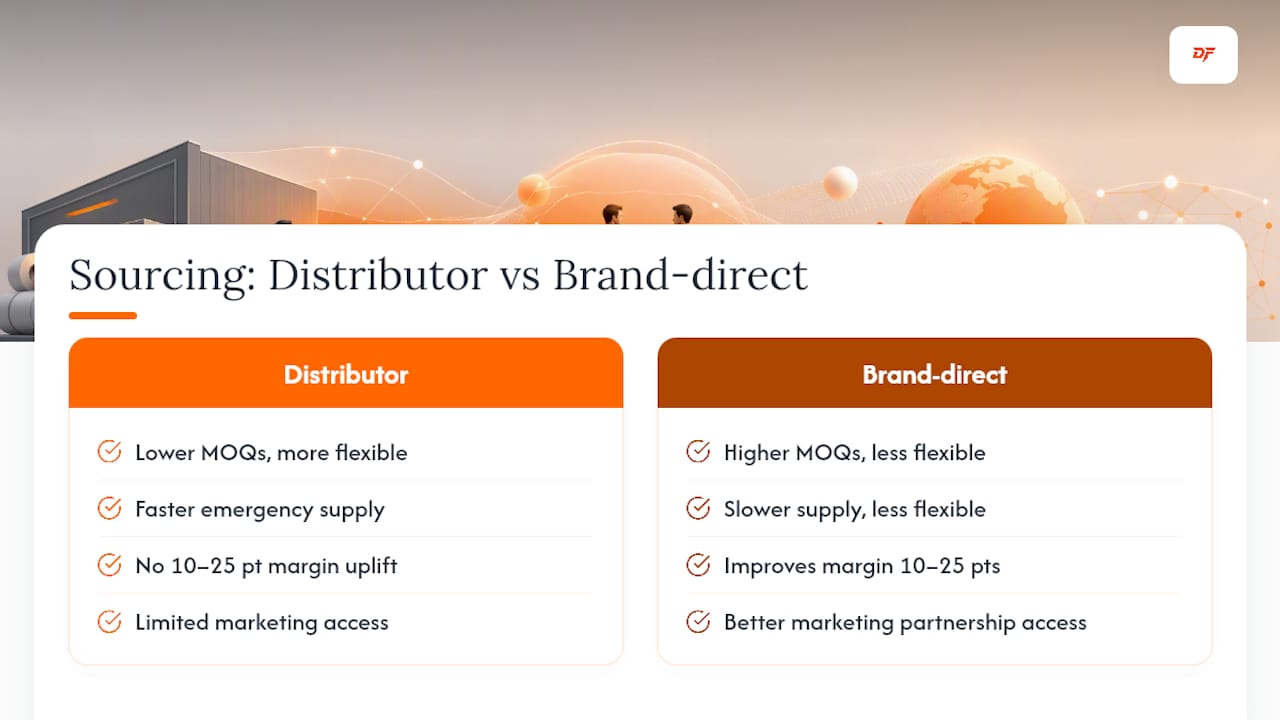
A hybrid approach often works best. Source your top-selling SKUs brand-direct to protect margin, and keep a distributor account open for tail SKUs and emergency supply. Even brand-direct accounts benefit from keeping a backup distributor relationship alive, since a short-term distributor purchase during a shortage costs far less than a lost sale from a stockout.
If you want to negotiate brand-direct terms, show up with numbers. Sales history, sell-through rates, and a documented marketing plan materially improve your odds of approval, according to sourcing strategy research from Oxalis Supply. A vague pitch about “growth potential” won’t move a manufacturer that’s allocating limited inventory across dozens of applicants.
Facility managers evaluating protection needs on the buying side face a parallel calculation, weighing material durability against operational downtime, which is worth understanding if industrial buyers are part of your target customer base.
How Dust Free Film Structures Its Distributor Partnerships
Dust Free Film manufactures multi-layer electrostatic Wall Protector and Floor Protector films for spray booth environments, built around a patented application box with a rotating roll and integrated cutting bar. That design lets a single installer dispense film in a straight line without a second set of hands, which matters when you’re pitching the product to time-strapped body shops and industrial facilities.
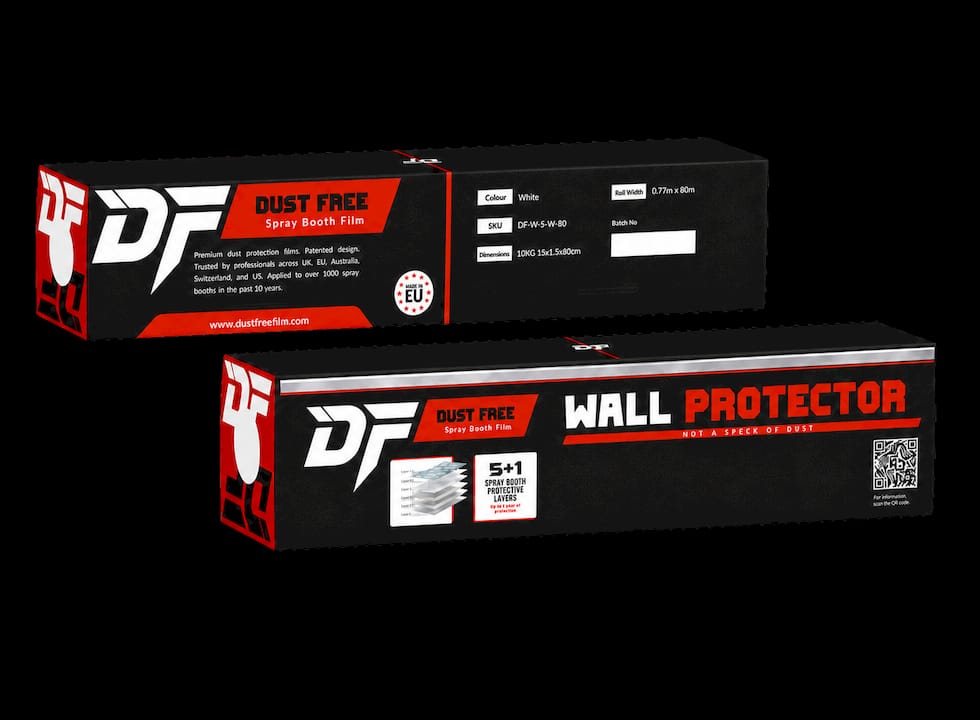
Distributor support includes factory-direct bulk ordering, worldwide shipping, and custom configurations for buyers with specific spec requirements. Private-label production is also available for partners who want to sell under their own brand rather than Dust Free Film’s.
Qualifying starts with a straightforward conversation about your target market and expected order volume. From there, Dust Free Film can walk you through sample availability, minimum order quantities, and lead times based on your region. Because the films are manufactured in Greece and shipped internationally, lead times vary by destination, so it’s worth asking early rather than assuming a domestic timeline.
Start a Distributor Relationship With Dust Free Film
If you’ve read this far, you already know the checklist: business registration, a rough sense of your target volume, and a clear answer for which channel you’re serving, whether that’s automotive body shops, industrial spray booths, or architectural contractors. That’s what most manufacturers ask for on a first call, and Dust Free Film is no different.
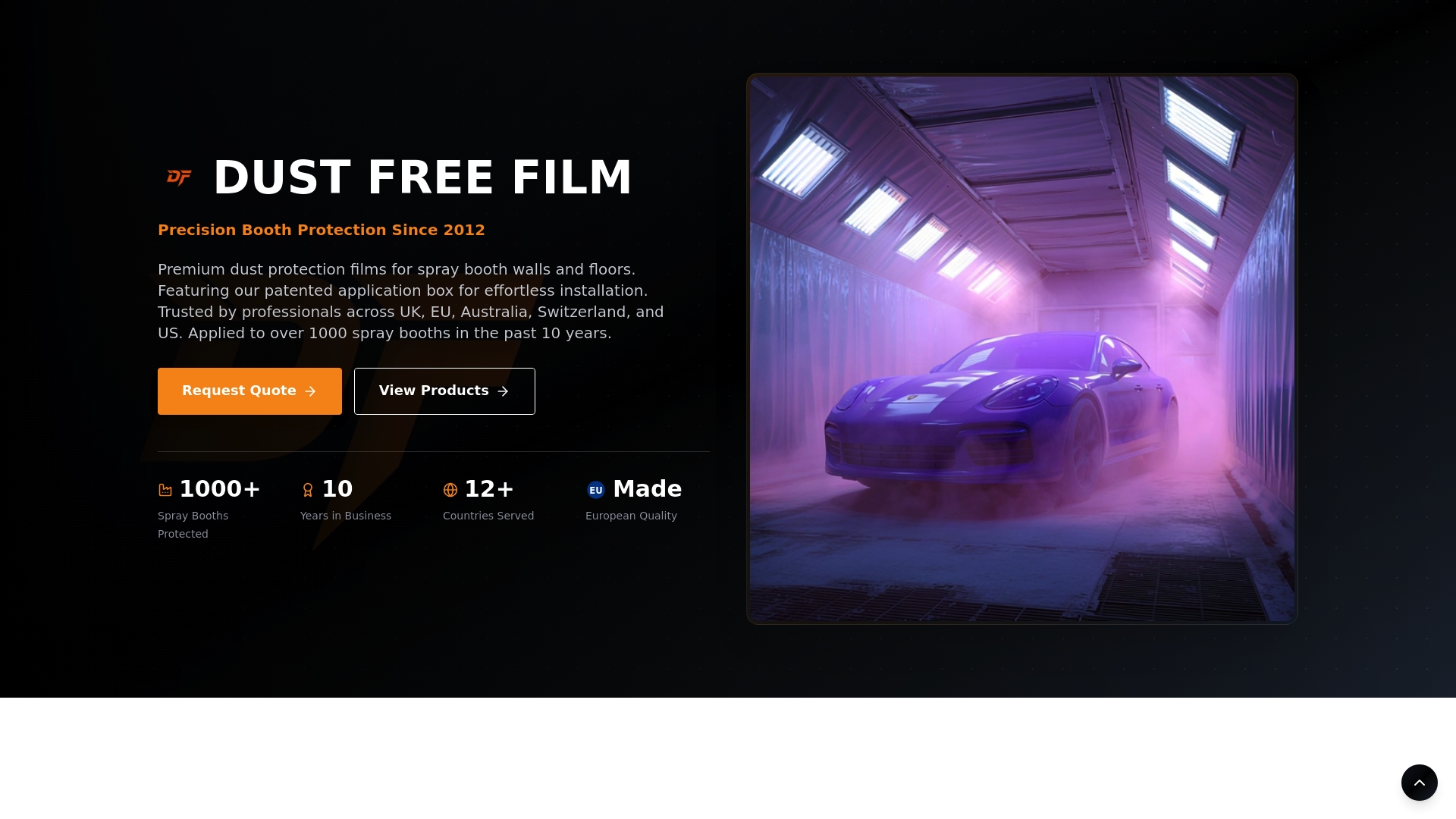
On first contact, expect a conversation about samples, a quote based on your expected volume, minimum order quantities, and whether private-label packaging makes sense for your market. Dust Free Film sells through both authorized regional partners and factory-direct bulk orders, so you’re not locked into a single sourcing path as your business grows. If you’re ready to move, the distributor program page outlines eligibility and next steps, and you can also review how bulk protective film ordering works before you commit to an opening order. Reach out with your target market and expected volume, and you’ll typically hear back with sample and pricing details within a few business days.
A Supplier’s Take on Building Resilient Distribution
The dealers who last don’t bet everything on one supplier relationship, even an exclusive one. Tier your catalog, keep a backup distributor account open for your highest-velocity items, and treat single-source dependency as a risk to manage, not a badge of loyalty. New dealers: track your sell-through data from day one. It’s the single strongest thing you can bring to a renegotiation.
— Pavlos - Angelos Filippakis
Sources
- Distributor Sourcing vs Brand Direct: Building a Resilient Supply Strategy | Oxalis Supply
- Purchasing Directly from a Manufacturer vs. Through Distribution - Inline Plastics
- What is a VAD? (ZINFI glossary)
FAQ
How Do I Get a Distributor for My Film Product?
Apply directly through a manufacturer’s distributor page with your business registration, target market, and expected order volume ready. Most manufacturers respond with sample availability and pricing within days.
How Much Does a Film Distributor Make?
Margins vary by product complexity and service level, and brand-direct terms often improve gross margin by 10 to 25 points over distributor sourcing, though distributors typically earn that spread back through flexibility and smaller order minimums.
Who Are the Biggest Players in Protective Film Distribution?
The market includes global automotive film brands with installer networks, regional architectural film distributors, and specialized industrial suppliers like Dust Free Film that focus on spray booth and manufacturing environments rather than automotive tint.
How Do I Become a Protective Film Distribution Company?
Start by choosing a product line and channel, whether automotive, architectural, or industrial, then apply to manufacturers whose training and support match your target customer base, and complete their onboarding and certification requirements.
What Documents Do I Need to Apply as a Distributor?
Most programs request business registration, a tax ID, proof of liability insurance, and trade references, with some manufacturers also requiring a short business plan for larger territories.