

TL;DR:
- Wall protection in industrial plants mitigates impact and moisture damage, reducing repair costs and enhancing safety. Properly specified and maintained systems, tailored to specific zones, ensure regulatory compliance and operational stability, especially in high-traffic areas. Integrating wall protection during design prevents costly retrofits and supports a safe, efficient facility environment.
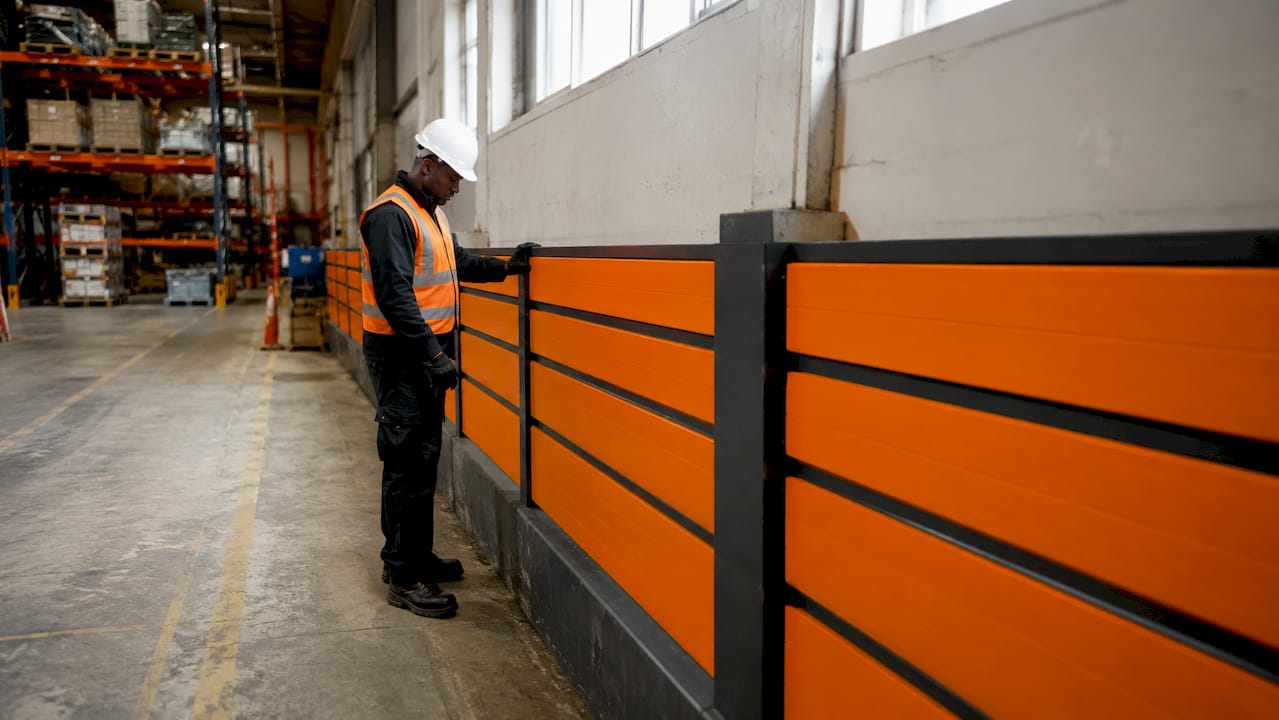
Wall protection in industrial plants consists of strategically installed barriers, guards, and surface coverings designed to prevent structural damage from mechanical impacts, moisture, and contamination. Facility managers who understand the role of wall protection in industrial plants gain a direct advantage: lower repair budgets, fewer safety incidents, and operations that run without unplanned interruptions. Systems range from corner protectors and wall guards to hygienic skirting and impact-resistant coated panels. Brands like Safeguard Industries and Inpro have built entire product lines around this need, and 2026 OSHA standards reinforce why physical protection is no longer optional in high-traffic industrial environments.
What are the primary benefits of wall protection systems in industrial facilities?
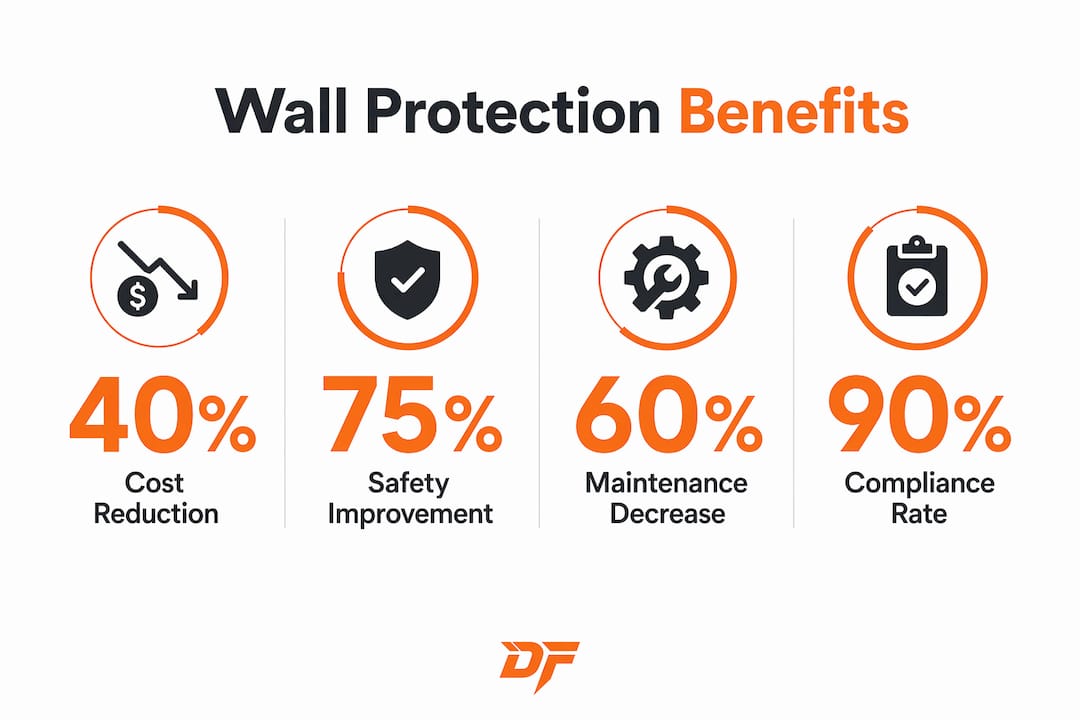
Wall protection systems deliver three measurable outcomes: reduced repair costs, improved safety, and better regulatory standing. Each benefit compounds the others, making the investment case straightforward for any facility manager running a high-traffic plant.
Cost reduction is the most immediate driver. Preventative wall protection mitigates recurring repair expenses tied to forklift and equipment collisions in corridors and logistics areas. Repairs that include labor, materials, and operational downtime consistently cost more than the original installation of a protection system. That math becomes especially clear in facilities where forklifts operate multiple shifts per day.
- Wall guards in key warehouse routes reduce structural damage and the downtime needed for repairs, delivering long-term operational stability.
- Hygienic skirting and corner protectors eliminate moisture ingress at wall-floor joints, cutting cleaning labor and preventing bacterial growth.
- Impact-resistant panels reduce repainting frequency, which in paint-intensive environments like automotive refinishing facilities can represent a significant recurring expense.
- Physical guards protect the lower 8 feet of walls where the vast majority of collisions occur, concentrating protection exactly where it is needed.
Safety improvement follows directly from structural integrity. Damaged walls create hazards: exposed fasteners, crumbling surfaces, and compromised load-bearing sections all increase incident risk. Facilities that install wall protection systems report fewer maintenance interruptions and a cleaner visual environment, which research consistently links to improved employee awareness and morale.
Pro Tip: Track your facility’s wall repair work orders for 90 days before specifying a protection system. That baseline data gives you a precise ROI figure to present to leadership and helps you prioritize which zones need the heaviest-duty guards.
Hygiene compliance is a third benefit that facility managers in food processing, pharmaceutical manufacturing, and coatings environments cannot ignore. Specialized materials like stainless steel panels and PVC hygienic skirting meet sanitation standards that standard painted drywall cannot. Installing the right system from the start avoids costly retrofits during regulatory audits.
What types of wall protection are most effective for different industrial zones?
The right system depends entirely on the zone. A loading dock faces different threats than a cleanroom corridor, and specifying the same product for both is a common and expensive mistake.
| Zone type | Recommended protection | Primary material | Key property |
|---|---|---|---|
| Loading docks and forklift corridors | Rigid wall guards and corner protectors | Rubber or high-density PVC | High impact resistance |
| Heavy machinery areas | High-build epoxy or urethane coatings | Epoxy or urethane | Chemical and abrasion resistance |
| Food processing and pharma | Hygienic skirting and stainless panels | Stainless steel or food-grade PVC | Moisture and bacterial resistance |
| General corridors and offices | Standard wall guards or latex-coated panels | PVC or painted steel | Moderate impact, easy cleaning |
| Elevated platforms and rooftop zones | Parapet guardrails | Powder-coated steel | Load-bearing, fall prevention |
A tiered protection strategy balances high-build impact-resistant coatings for general surfaces with rigid physical guards in heavy machinery zones. High-build epoxy or urethane coatings are the right choice for the lower 8 feet of walls in manufacturing areas, while standard latex coatings are sufficient for upper zones with minimal exposure. This approach controls cost without sacrificing protection where it matters most.
Corner protectors deserve specific attention. Corners are the most vulnerable point in any industrial wall system because they absorb impacts from two directions simultaneously. Corner protection and hygienic skirting systems are critical for maintaining structural integrity and hygiene in sandwich panel walls, eliminating the dirt accumulation and bacterial growth that standard corners allow. For facilities using sandwich panel construction, this is not a cosmetic upgrade. It is a structural and sanitary requirement.
Placement strategy matters as much as product selection. High-impact areas like corridor intersections, dock doors, and machine perimeters need the most rigid protection. Spray booth environments benefit from layered wall and floor protection that addresses both surface contamination and physical impact in a single system.
How do wall protection systems ensure compliance with 2026 industrial safety standards?
Regulatory compliance is not a secondary benefit of wall protection. For many industrial facilities, it is the primary legal obligation that drives installation decisions.
-
Meet OSHA 1926.502(b) load requirements. OSHA 1926.502(b) requires parapet guardrails for elevated surfaces to meet a 200-pound lateral load capacity. Engineered guardrails in standard 1000mm x 150mm yellow and black safety configurations are the accepted solution in vehicle-moving environments like warehouses and distribution centers.
-
Mount guardrails to structural faces, not roof surfaces. Structural safety barriers must be mounted to structural faces rather than roof surfaces to avoid voiding waterproofing warranties and compromising building integrity. This is a detail that gets missed during fast-track installations and creates significant liability exposure.
-
Specify hygienic materials in contamination-sensitive zones. Facilities subject to FDA, USDA, or EU food safety regulations must use wall protection materials that are non-porous, cleanable, and resistant to approved sanitizing chemicals. Standard PVC guards do not always qualify. Verify material certifications before specifying.
-
Document installation for audit readiness. Regulatory auditors increasingly request installation records, material data sheets, and load certification for wall protection systems. Maintaining a protection system log with installation dates, product specifications, and inspection records reduces audit preparation time significantly.
-
Review standards annually. OSHA and industry-specific codes update on rolling cycles. What met compliance in 2024 may require supplemental documentation or upgraded hardware by 2026. Assign a named safety officer to track updates from OSHA, ANSI, and relevant industry bodies.
Pro Tip: When specifying guardrails for elevated zones, request the manufacturer’s load test certification in writing before purchase. Verbal assurances do not satisfy OSHA documentation requirements during an inspection.
What are best practices for selecting, installing, and maintaining wall protection in industrial plants?
The single most costly mistake facility managers make is treating wall protection as an afterthought. Integrating protection into the initial design phase avoids higher future correction costs and produces better aesthetic consistency across the facility. Retrofitting protection into an active plant means working around live operations, which drives up both labor costs and installation time.
Selecting the right system starts with a zone-by-zone impact and chemical exposure assessment. Material selection must account for chemical and thermal resistance relevant to each process zone. A mismatch between material and environment leads to premature failure regardless of installation quality. For example, standard PVC guards will degrade rapidly in zones with solvent exposure, while stainless steel panels will perform for decades in the same environment.
Installation quality determines whether a system performs as specified or fails early. Most wall protection panel systems are designed for quick retrofit installation using standard fixings, with no heavy equipment required. That said, professional installation preserves manufacturer warranties and avoids the structural errors that DIY approaches introduce. Anchor points must hit studs or structural backing. Surface preparation, including cleaning and priming, is non-negotiable for adhesive-backed systems.
Maintenance is where most facilities underinvest. A protection system that is never inspected will eventually fail silently, and the first sign of failure is often a safety incident or a failed audit. Key maintenance practices include:
- Inspect all guards and panels quarterly for cracks, delamination, and loose fixings.
- Clean hygienic skirting and corner protectors with approved sanitizing agents on the same schedule as adjacent floor surfaces.
- Replace damaged sections immediately rather than scheduling repairs in the next maintenance cycle.
- Review booth wall protection maintenance protocols annually to incorporate manufacturer updates and new product generations.
Pro Tip: Color-code your wall protection zones. Yellow guards in forklift corridors and white panels in hygiene-critical areas create an instant visual system that helps new staff recognize hazard boundaries without additional training.
How do wall protection solutions integrate with overall plant safety strategies?
Wall protection does not operate in isolation. Its greatest value comes when it is treated as one component of a coordinated facility safety and maintenance program rather than a standalone product purchase.
“Wall protection acts as a risk management tool, protecting the lower 8 feet of walls where most collisions occur, reducing liabilities and unplanned downtime across the entire facility operation.”
The synergy between wall protection and machine safety barriers is direct. Physical wall guards in forklift corridors work in parallel with floor-mounted bollards and rack protection systems to create layered collision defense. When one layer absorbs an impact, the others remain intact. This redundancy is the foundation of any serious industrial risk management program.
Operational efficiency gains are equally concrete. Facilities that install wall protection systems report fewer maintenance interruptions because damaged walls require repair crews, temporary barriers, and often partial shutdowns of adjacent work areas. Wall protection investments lead to long-term operational stability and cost control, which translates directly to more predictable production schedules.
Employee morale is a less-discussed but real benefit. Clean, well-maintained walls signal to workers that the facility is managed with care. That perception reduces the normalization of unsafe conditions and makes it easier for safety officers to enforce standards across the plant. Facilities that integrate wall protection with booth wall protector programs for painting and coating zones report measurable improvements in finish quality alongside safety outcomes.
Industrial plant maintenance also benefits from connections to broader facility systems. For example, plastic pipe systems in manufacturing plants face similar material selection and chemical resistance challenges as wall protection, and facilities that adopt a unified materials specification approach reduce procurement complexity and maintenance inconsistency across both systems.
Key takeaways
Wall protection in industrial plants is a risk management investment that reduces repair costs, enforces safety compliance, and preserves operational continuity when specified correctly and maintained consistently.
| Point | Details |
|---|---|
| Prioritize the lower 8 feet | Install rigid guards in the lower 8 feet of walls where forklift and equipment collisions concentrate. |
| Match materials to process zones | Use high-build epoxy for heavy manufacturing areas and stainless steel or food-grade PVC for hygiene-sensitive zones. |
| Integrate during design, not after | Planning wall protection at the design stage avoids costly retrofits and produces better aesthetic and structural outcomes. |
| Comply with OSHA 1926.502(b) | Guardrails on elevated surfaces must meet 200-pound lateral load capacity and be mounted to structural faces. |
| Maintain on a fixed schedule | Quarterly inspections and immediate replacement of damaged sections prevent silent system failures and audit exposure. |
What I’ve learned from watching facilities get wall protection wrong
Most facilities I encounter treat wall protection as a procurement decision rather than a design decision. They wait until walls are visibly damaged, then buy the cheapest guards that fit the budget. The result is a patchwork of mismatched products that look neglected from day one and fail within two years because nobody specified materials against the actual chemical and thermal environment.
The facilities that get it right do one thing differently: they walk the plant before specifying anything. They map forklift routes, identify chemical exposure zones, flag sandwich panel wall-floor joints, and document every elevated surface that falls under OSHA guardrail requirements. That 90-minute walkthrough saves months of corrective work.
I also see a persistent underestimation of the hygiene angle. Facility managers in food processing and pharmaceutical manufacturing focus heavily on floor hygiene but treat wall protection as a structural concern only. Sandwich panel wall-floor joints are hotspots for moisture and bacterial accumulation. Hygienic skirting is far more effective than generic corner guards for long-term cleanliness in those environments, and the cost difference between the two is minimal compared to a failed food safety audit.
The last thing I would emphasize is staff training. A well-specified, professionally installed wall protection system degrades faster than it should when operators do not understand why it is there. A 20-minute onboarding session explaining what the guards protect, how to report damage, and why color coding matters pays back in system longevity and safety culture.
— Dust
Protect your facility with Dustfreefilm wall and floor solutions

Dustfreefilm has supplied premium protective films for industrial spray booths and painting facilities since 2012, with multi-layer electrostatic wall and floor protectors built specifically for high-traffic, contamination-sensitive environments. The patented dispenser system allows quick, bubble-free installation without shutting down active operations, which means your facility keeps running while protection goes in. Products are heat-resistant, static-free, and manufactured to European standards, making them a direct fit for the demanding environments this article describes. Whether you manage a single spray booth or a multi-line manufacturing plant, Dustfreefilm offers wall and floor protection solutions scaled to your operation. Ready to specify the right system? Request a quote and get product recommendations matched to your facility’s specific zones and requirements.
FAQ
What is the role of wall protection in industrial plants?
Wall protection in industrial plants prevents structural damage from mechanical impacts, moisture, and contamination, reducing repair costs and maintaining safety compliance. Systems include wall guards, corner protectors, hygienic skirting, and impact-resistant coatings matched to specific facility zones.
How does wall damage affect industrial plant operations?
Wall damage triggers repair downtime, increases maintenance budgets, and creates safety hazards from exposed surfaces and compromised structural sections. Facilities without physical wall protection spend more on recurring repairs than the original cost of a properly specified protection system.
What materials work best for industrial wall protection?
High-build epoxy and urethane coatings suit heavy manufacturing zones, while stainless steel panels and food-grade PVC are the correct choice for hygiene-sensitive areas. Material selection must account for chemical and thermal exposure in each specific process zone to avoid premature failure.
Does OSHA require wall protection in industrial facilities?
OSHA 1926.502(b) requires guardrails on elevated surfaces to meet a 200-pound lateral load capacity, and those guardrails must be mounted to structural faces rather than roof surfaces. Additional requirements apply in food processing and pharmaceutical environments under FDA and USDA regulations.
When should wall protection be installed in a new industrial facility?
Wall protection is most cost-effective when integrated during the facility design phase rather than retrofitted after damage occurs. Planning protection during design avoids higher correction costs, preserves aesthetic consistency, and eliminates the operational disruption of installing systems in an active plant.